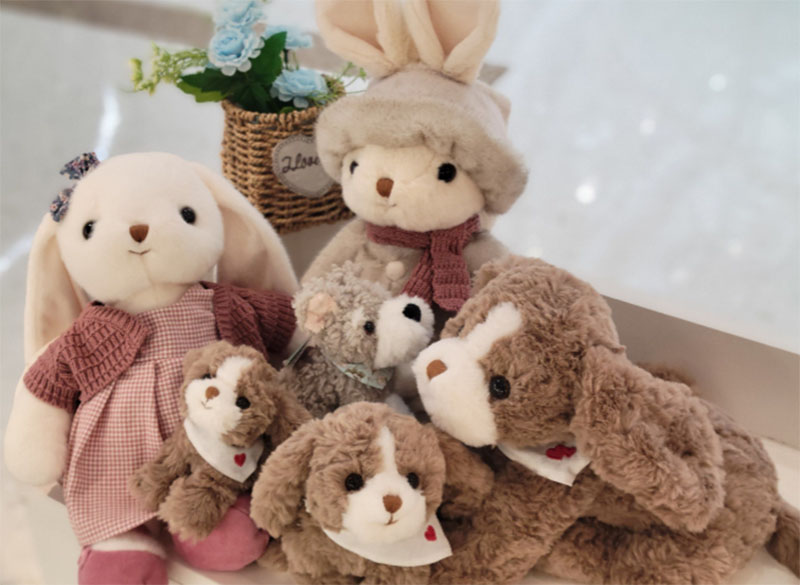
Dog stuffed animals are more than cute shapes on a shelf. For many pets they are comfort objects, chewing outlets, training tools, and quiet play partners. When you choose well, one plush toy can keep a dog calmer, more engaged, and less likely to chew your sofa.
The best dog stuffed animals combine safe, tough materials, strong construction, and engaging features like squeakers and textures—matched to your dog’s size, age, and chewing style. When brands and pet owners focus on breed needs, durability, and safety standards, plush toys last longer and support healthier, more satisfying play for both dogs and humans.
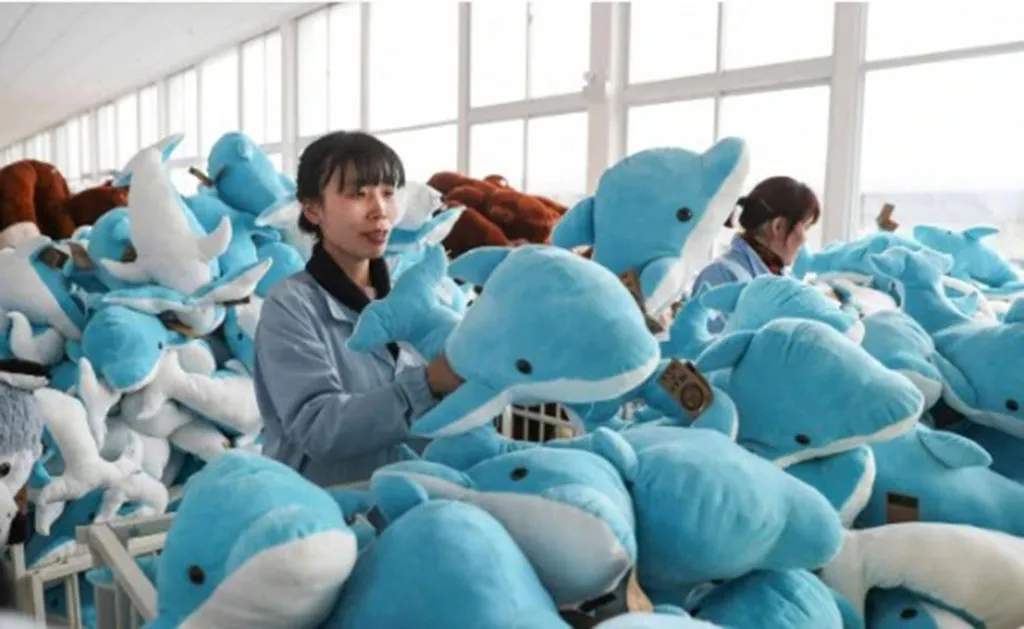
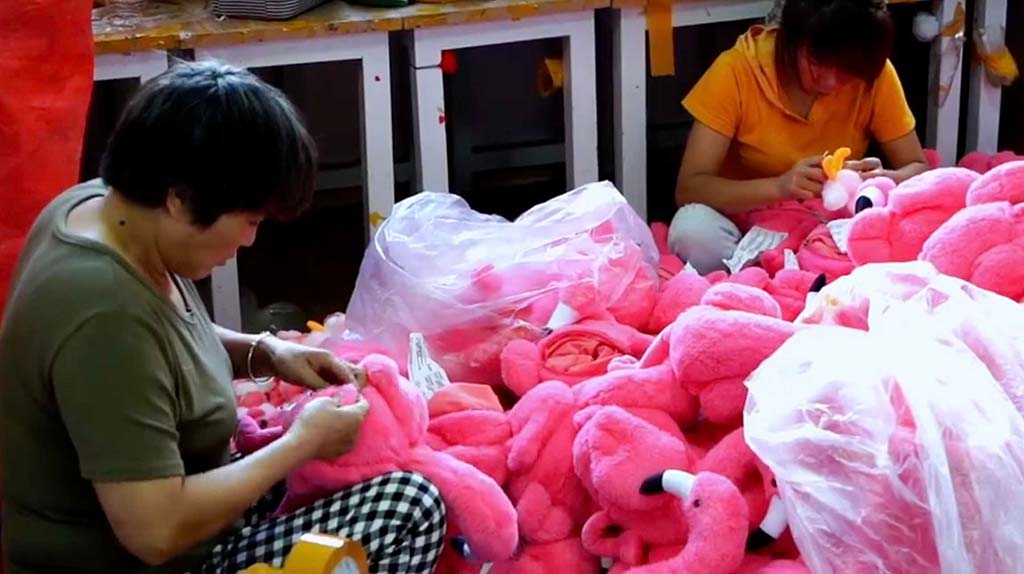
In this guide, I’ll share how I look at dog plush toys from both a factory and buyer point of view, using simple, practical language you can apply right away.
What qualities define the best dog stuffed animals for different breeds?
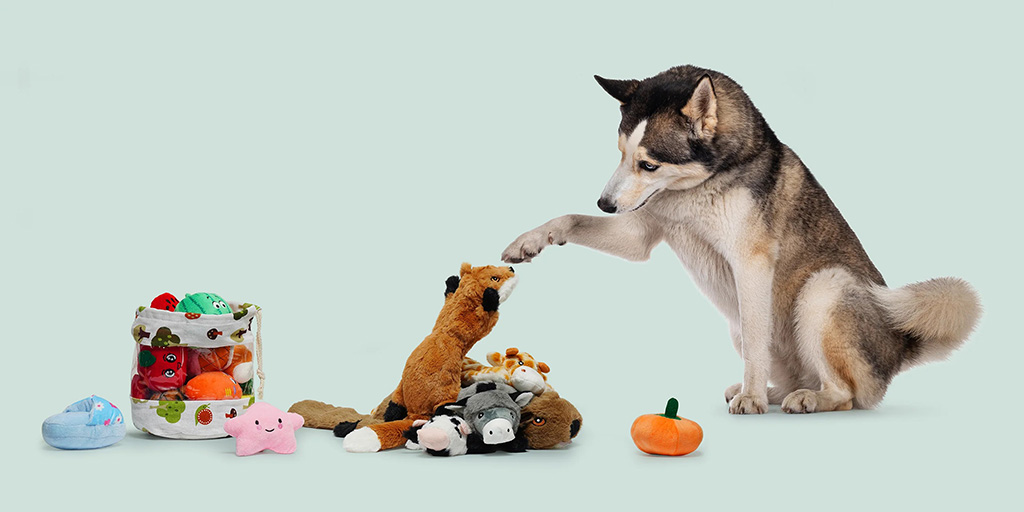
Not every dog stuffed animal fits every dog. A gentle senior pug, an energetic border collie, and a power-chewing pit bull all treat plush toys in very different ways. If one design tries to satisfy everyone, it usually fails for someone.
For better results, dog plush toys need to be matched to breed type, size, and play style. Smaller and more delicate dogs need softer, lighter toys they can carry easily. Larger or more intense dogs need stronger seams, more compact shapes, and fewer delicate parts. The best dog stuffed animals are not “one size fits all”—they are tuned for who will use them and how they play.
Key matching factors by breed and play style
- Size and jaw strength – Big dogs need larger plush so there is no risk of swallowing.
- Chew intensity – Heavy chewers need extra reinforcement; light chewers can use softer toys.
- Energy level – Active breeds may enjoy fetch-friendly shapes; calmer dogs may prefer cuddle-style toys.
- Age and dental stage – Puppies and seniors need gentler textures than strong, adult chewers.
Breed and play-style guide
| Dog Type / Play Style | Ideal Plush Qualities | Notes for Buyers and Brands |
|---|---|---|
| Toy & small breeds (e.g. Yorkie, Maltese) | Light weight, small size, soft body, easy to carry | Avoid heavy, oversized plush that drag on the floor |
| Medium family dogs (e.g. Beagle, Cocker) | Medium size, moderate durability, gentle squeaker | Great for fetch and cuddle, not for power chewing |
| High-energy herding breeds (e.g. Border Collie) | Longer shapes for shaking, some reinforcement | Combine tug and fetch functions |
| Large, gentle dogs (e.g. Golden, Lab) | Bigger plush, soft but well-filled, secure seams | Focus on safe size and washability |
| Power chewers (e.g. Pit Bull, Staffy) | Very tough seams, compact shapes, layered fabric | Plush may still be “supervised only” toy |
| Seniors & low-energy dogs | Very soft fill, light squeaker or no squeaker | Prioritize comfort, low weight, and gentle fabrics |
When dog plush toys are designed with breed and behavior in mind, they last longer and deliver better value for both pet owners and retailers.
How do materials influence durability, softness, and chew resistance?
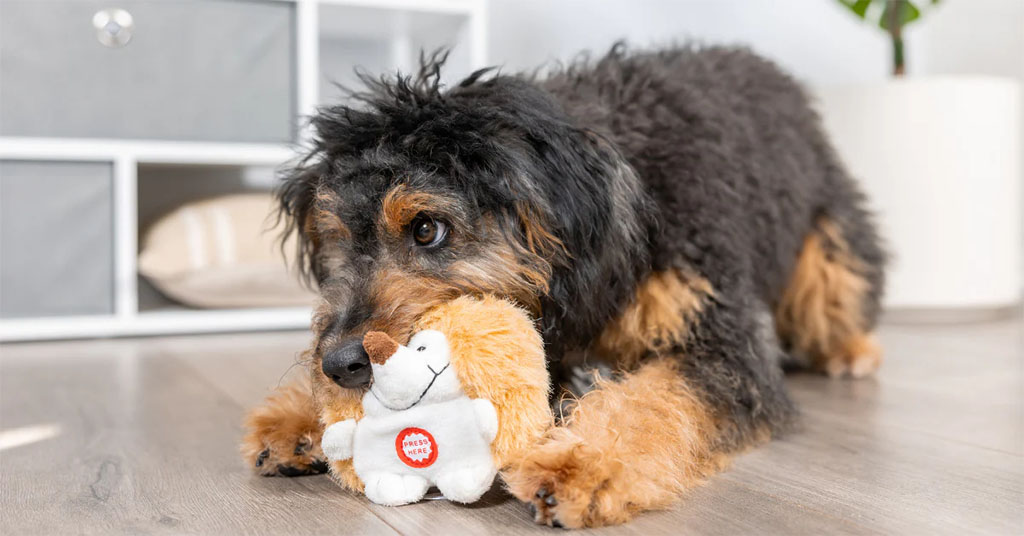
Materials are the foundation of every dog stuffed animal. Two toys can look similar in photos but behave very differently in a dog’s mouth. Dogs pull, shake, chew, and sometimes “nest” with plush. If fabrics and fillings are too weak, toys break quickly and release stuffing or small pieces that can be dangerous.
For dog plush toys, you need a balance: outer fabrics tough enough to resist tearing, inner stuffing soft enough for comfort, and safe choices that do not splinter or leave sharp edges. The best materials are strong, but still pleasant to hold and carry.
Common outer fabrics for dog plush
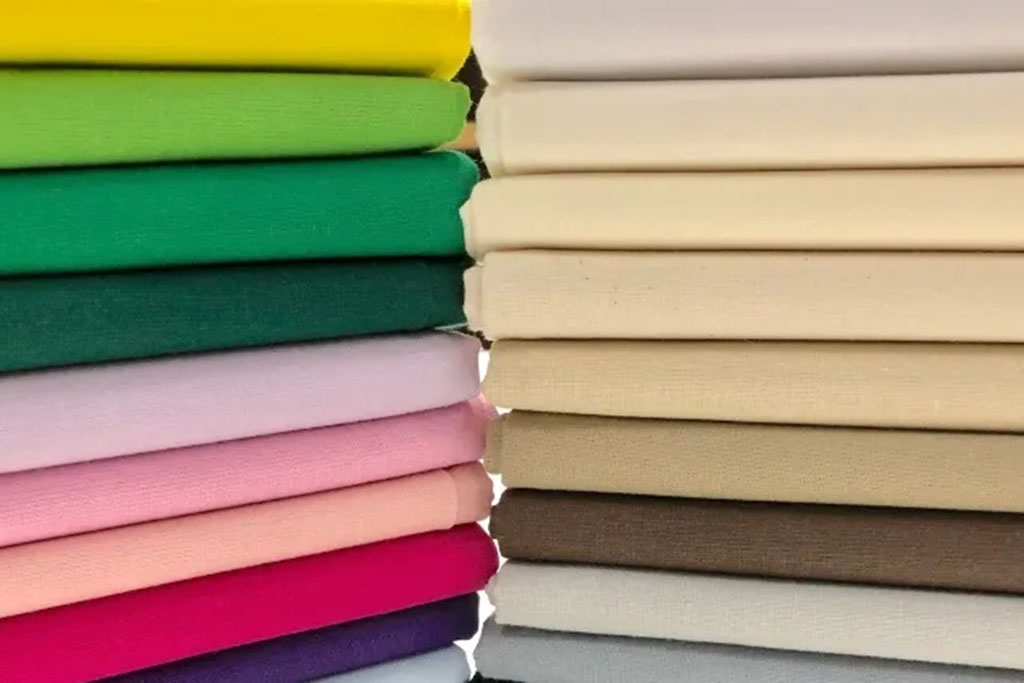
- Heavy-duty polyester plush or fleece – good basic choice for many pet toys.
- Reinforced canvas or oxford fabric panels – often used on high-wear zones like belly or limbs.
- Textured fabrics (corduroy, waffle, etc.) – add interest for chewing and gripping.
Fillings and internal feel
- Polyester fiberfill – standard soft stuffing; must be well-contained to avoid leaks.
- Mixed stuffing + crinkle film – adds sound interest, but needs strong inner pockets.
- No loose pellets for strong chewers – if used, they should be fully sealed in tough inner pouches and only for appropriate users.
Material choices and their impact
| Component | Better for Dog Plush | Impact on Durability & Comfort |
|---|---|---|
| Outer fabric | Dense plush, canvas blends, or layered textiles | Resists surface wear and tearing |
| Inner fabric | Strong backing or lining under plush | Helps prevent holes from becoming big tears |
| Filling | Quality fiberfill; optional crinkle in protected layers | Soft mouth feel, interesting sound |
| Edges & trims | Minimal, strongly sewn trims; no fragile fringes | Fewer loose parts for dogs to rip off |
| Labels | Short, securely attached, or printed directly on fabric | Reduces chewing on long tags |
When you brief a factory like ours, sharing target dog size and chew style helps us choose suitable fabric weights and reinforcement methods from the start.
Which construction methods help plush toys withstand rough play?
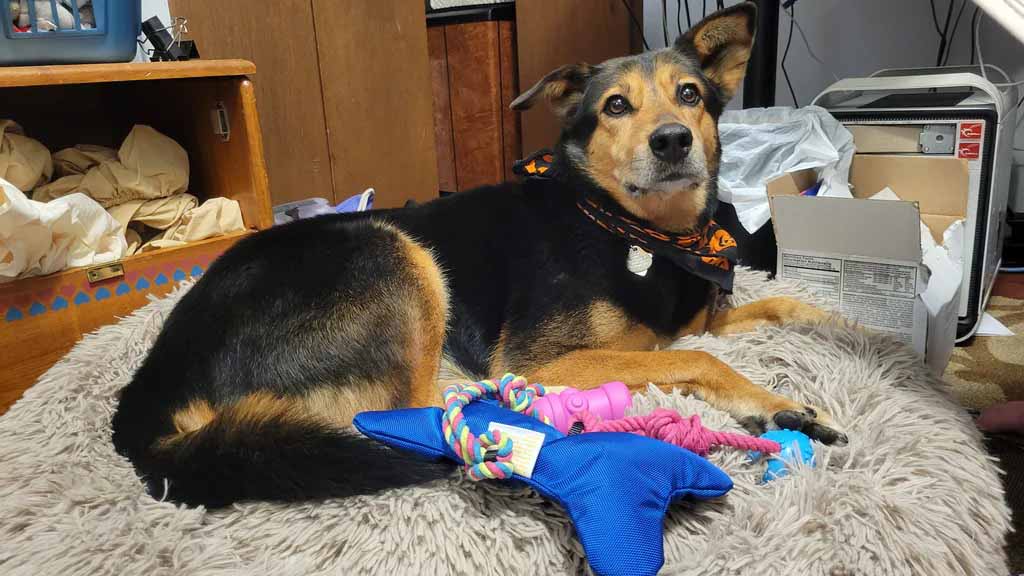
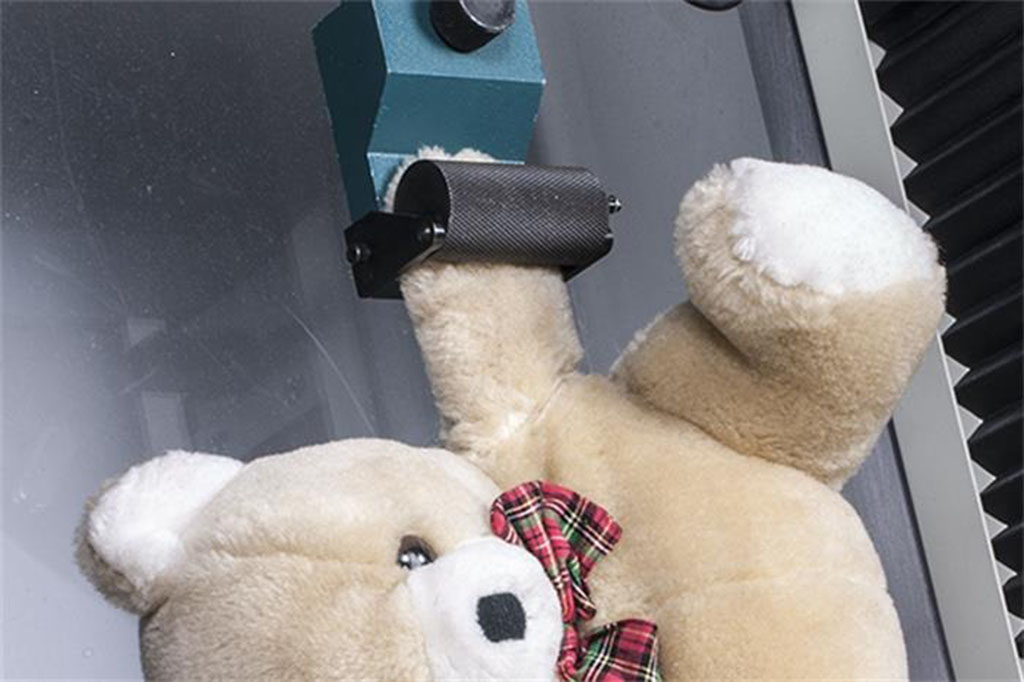
Even with good materials, a dog stuffed animal will fail if the construction is weak. Dogs test seams much harder than children do. They shake toys by the neck, tug legs in opposite directions, and chew on one point again and again.
To survive this, dog plush toys need strong seam types, smart pattern design, and reinforcements at stress zones. While no plush is truly “indestructible” for all dogs, good construction makes toys much safer and longer-lasting.
Key construction strategies
- Double or triple stitching on main seams.
- Hidden seams with seam allowance turned inward to reduce exposed thread.
- Reinforced points at neck, limb joints, tail base, and ears.
- Segmented stuffing to stop filling from moving into one area when fabric stretches.
Typical construction methods and benefits
| Construction Feature | How It Works | Benefit During Dog Play |
|---|---|---|
| Double-stitched seams | Two rows of stitching along body and limb seams | Extra strength against pulling and shaking |
| Taped or bound inner seams | Fabric tape over seams on the inside | Prevents fraying and seam splitting |
| Reinforced stress zones | Extra fabric patches or heavier stitching at joints | Reduces tear risk at favorite grab points |
| Simplified limb/ear shapes | Less narrow “necks” that are easy to tear | Spreads stress over wider area |
| Stuffing compartments | Inner walls or pockets for stuffing | Keeps shape even after hard play |
A good dog plush design does not rely on a single thin seam in the middle of the most chewed area. Instead, it spreads stress across multiple layers and stitches.
How do squeakers, textures, and shapes enhance canine engagement?
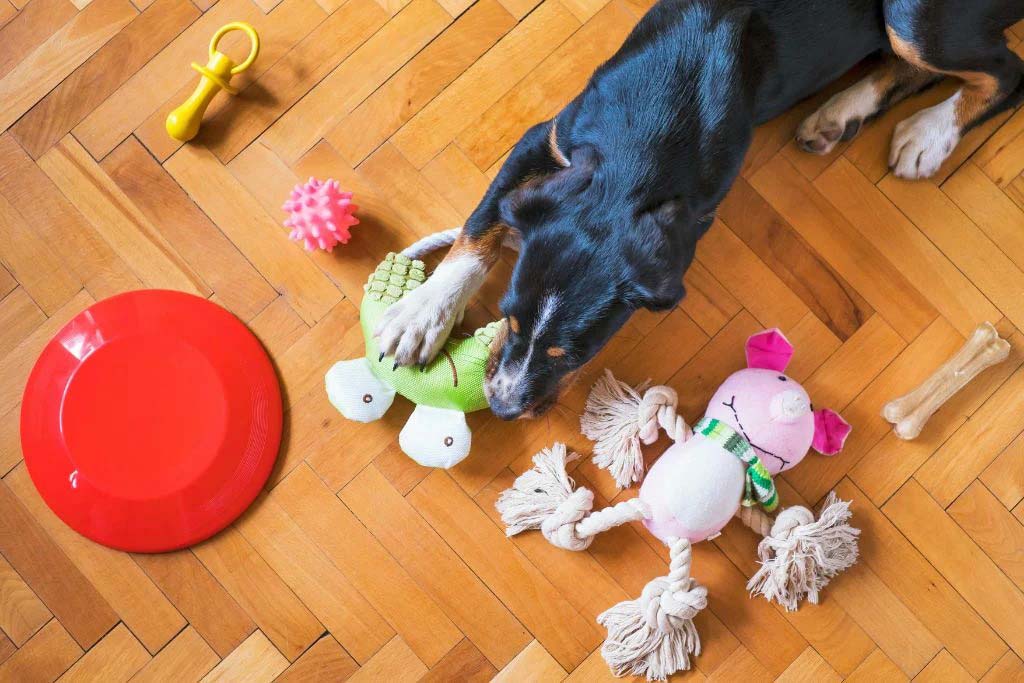
Durability is important, but engagement is what makes dogs actually use the toy instead of ignoring it. Squeakers, crinkle sounds, varied textures, and interesting shapes all encourage dogs to bite, shake, and carry plush animals.
The trick is to add these features in a safe, contained, and breed-appropriate way. Overly loud squeakers or easily accessed sound modules can be risky for heavy chewers. Good design keeps the fun parts inside sturdy structures.
Engagement features
- Squeakers – Encourage bite and shake play; often placed in the belly or head.
- Crinkle panels – Give feedback during chewing and pawing.
- Rope or tug sections – Combine plush with rope for interactive play.
- Varied textures – Smooth plush, ridged fabric, or knotted panels for sensory interest.
- Shaped bodies – Long “animal” shapes for shaking, round shapes for carrying and cuddling.
Matching features to dogs
| Feature Type | Best For | Safety / Design Tips |
|---|---|---|
| Soft squeaker | Most dogs; especially playful, curious dogs | Place deep inside, double-stitch around module |
| Crinkle sections | Puppies and young adults who enjoy sound | Use in inner layer, with smooth fabric outside |
| Rope + plush mix | Tug-loving breeds and multi-dog homes | Reinforce joint between rope and plush sections |
| Textured panels | Dogs that like to mouth and explore surfaces | Use tough fabrics; avoid pieces that fray easily |
| Simple cuddle shapes | Seniors or anxious dogs who like to carry toys | Keep soft and light; loud squeakers may be optional |
When designing for B2B clients, I often suggest separate “play” lines (with squeakers and strong reinforcements) and “comfort” lines (softer, quieter, for carrying and sleeping near the dog). This helps owners choose the right purpose for each plush.
What safety standards ensure pet-safe stuffed animals?
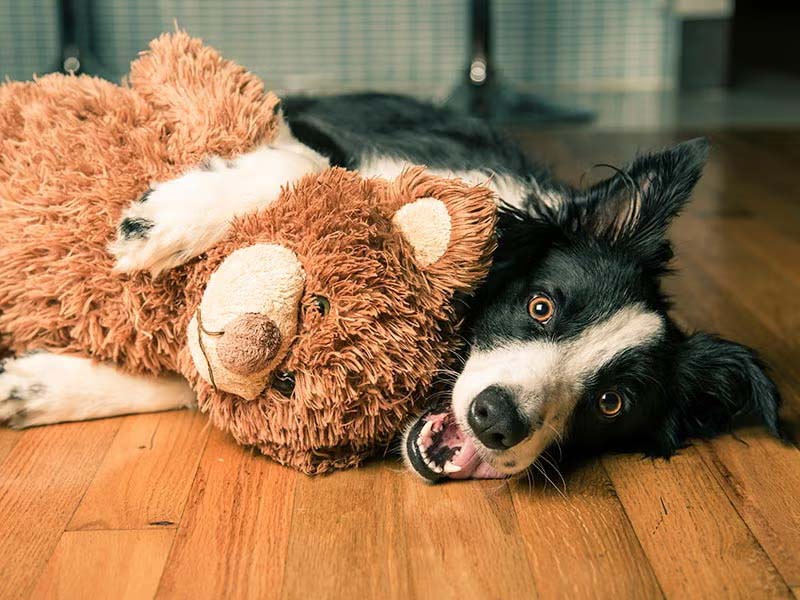
Unlike children’s toys, pet toys do not have one single global standard that every brand follows. However, many responsible brands and factories still test dog stuffed animals to similar levels as kids’ plush, especially for chemicals and mechanical durability.
From a safety point of view, you want dog plush toys that:
- Do not break into small dangerous pieces.
- Do not use coatings or components with harmful chemicals.
- Contain internal elements securely (like squeakers and stuffing).
Safety considerations for dog plush
- Mechanical safety – Strong seams, no sharp points or exposed wire.
- Chemical safety – Fabrics and prints free from harmful substances, tested to relevant limits.
- Label clarity – Honest “not indestructible” messaging and size guidance.
Many brands choose to test pet toys against children’s toy standards (such as EN71 or ASTM F963) for extra reassurance, even though legal requirements can differ by region. This is an added cost but often a smart investment for reputation.
Pet-toy safety checklist
| Safety Area | What Good Dog Plush Brands Do | Why It Matters |
|---|---|---|
| Materials | Use non-toxic, tested fabrics, dyes, and fillings | Reduces risk if dogs chew or lick the toy |
| Construction | Design to reduce easy access to squeakers and stuffing | Limits choking and ingestion risks |
| Size guidance | Provide clear size recommendations by dog weight/breed | Helps owners avoid toys that are too small |
| Warnings | Note that no toy is indestructible; supervise heavy chewers | Sets realistic expectations and safer habits |
| Testing | Often test to child-toy style standards or internal specs | Adds an extra safety layer |
From Kinwin’s side, when clients want pet lines, we support them with material documentation, internal strength tests, and optional third-party lab testing, based on their target markets.
How do leading pet brands differentiate their dog stuffed animal lines?
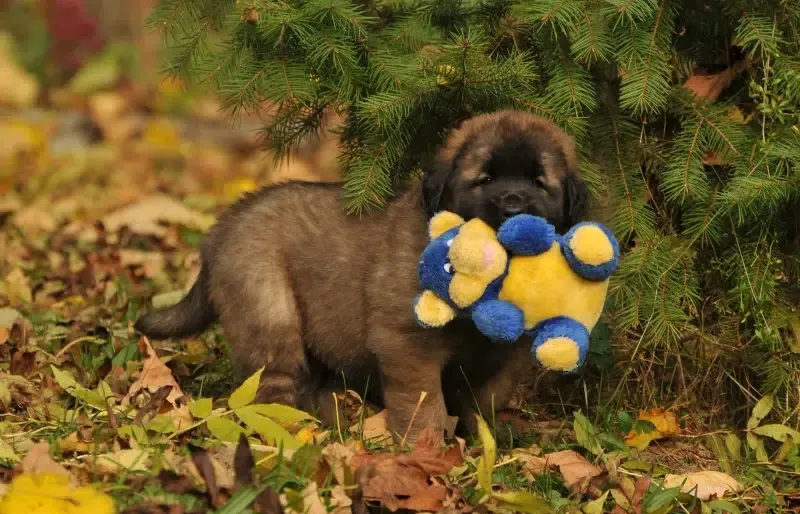
If you look at global pet aisles or online stores, you’ll see many dog stuffed animals—but leading brands rarely offer just one “generic plush.” Instead, they build clear segments: by durability, dog size, play style, and price.
This segmentation helps both retailers and pet owners quickly find the right toy. It also makes factory work more efficient, because each line can have its own specs for fabric, reinforcement, and features.
Common ways brands structure their ranges
- Durability tiers – basic plush, reinforced plush, ultra-tough plush.
- Size tiers – small, medium, large versions of the same character.
- Play-style lines – cuddle, fetch, tug, puzzle.
- Theme lines – seasonal designs, “wildlife,” “farm,” “fantasy,” or brand mascots.
Differentiation factors
| Differentiation Area | How Brands Stand Out | Example Strategy |
|---|---|---|
| Durability | Offer special “tough” lines with layered fabrics and extra stitching | Market to heavy chewers with clear guidance |
| Design & character | Unique characters, fun themes, or consistent brand style | Build recognition so owners seek that brand |
| Function | Toys focused on fetch, tug, comfort, or training | Clear icons on packaging for play type |
| Sustainability | Use recycled fabrics or eco messaging for some lines | Appeal to eco-conscious pet owners |
| Price tiers | Entry-level basics + premium specialty toys | Let owners mix everyday and special purchases |
| Packaging & education | Honest labels about supervision, toy purpose, and size | Build trust and reduce misuse |
As a factory partner, I often help brands create modular systems: one core body shape that can become many characters, with different fabric and reinforcement levels for different price points and target dogs. This approach keeps costs under control while still giving shelves a rich visual story.
Conclusion
A good dog stuffed animal is more than a cute plush: it is a safe, well-built companion that matches a dog’s size, chewing style, and play preferences. When you choose quality materials, strong construction, engaging but well-contained features, and honest safety standards, dogs enjoy longer-lasting toys and owners waste less money on items that break in minutes.
At Kinwin, we help pet brands and retailers develop dog plush lines that balance softness, durability, engagement, and safety, tailored to different breeds and play styles. If you are planning or upgrading a dog stuffed animal collection and want a factory partner that understands both plush engineering and real-world pet use, you’re very welcome to contact me at [email protected] or visit kinwintoys.com to explore how our team can support your next pet range.