Skip to content
Parents love the idea of a baby sleeping in a cozy crib full of cute plush toys. But safe-sleep experts give a very different message: for a long time, the safest crib is an almost empty crib. So when can stuffed animals finally move from the nursery shelf into the crib—and how do you keep things safe when that day comes?
I’m Amanda from Kinwin, a plush toy factory in China. I work with many brands who design baby plush lines, and nearly every project starts with the same question: “What is actually safe in the crib, and at what age?” In this guide, I’ll walk through what pediatric guidelines say, how risks change as babies grow, which plush types are safer for older infants and toddlers, and what comfort alternatives to use before toys are allowed in the crib.
When do pediatric guidelines allow stuffed animals in a crib?
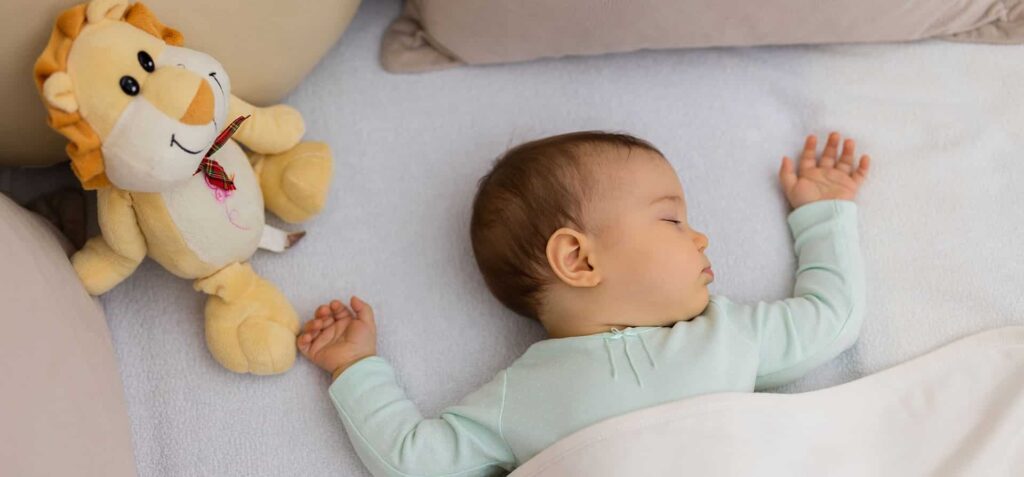
Around the world, pediatric and public-health organizations are very clear about one core point: no soft objects in the sleep space for young babies. Soft objects include pillows, blankets, bumpers, and stuffed animals.
The American Academy of Pediatrics (AAP) and other safe-sleep campaigns recommend that for at least the first 12 months, the crib or bassinet should be completely clear of soft items to reduce the risk of suffocation, entrapment, and Sudden Infant Death Syndrome (SIDS).
Some public-health resources summarise this in very simple language: “It is never safe for babies under one year old to sleep with a blanket or a stuffed animal.”
After the first birthday, many sources say you can start to consider a small, soft comfort object, but only if your child is healthy, can roll and move easily, and your pediatrician agrees.
Age and guideline overview
This table is for general information only. Always follow your local guidance and your child’s own doctor.
| Age Range | Typical Pediatric Guidance About Plush in Crib* |
|---|---|
| 0–6 months | No stuffed animals or other soft objects in crib or bassinet. Sleep space should be completely clear. |
| 6–12 months | Guidelines still say to keep soft toys out of the sleep space. Some experts suggest no toys until at least 12 months. |
| 12+ months (toddler stage) | Risk of SIDS is lower, and some resources say a small, lightweight stuffed animal can be introduced, if your child is healthy and mobile. Parents should still choose carefully and ask their pediatrician. |
*Exact wording and recommended ages can vary by country and organization. Always check local guidance.
The big takeaway: before 12 months, stuffed animals belong outside the crib, not inside it.
How do safety risks influence the timing of introducing plush toys?
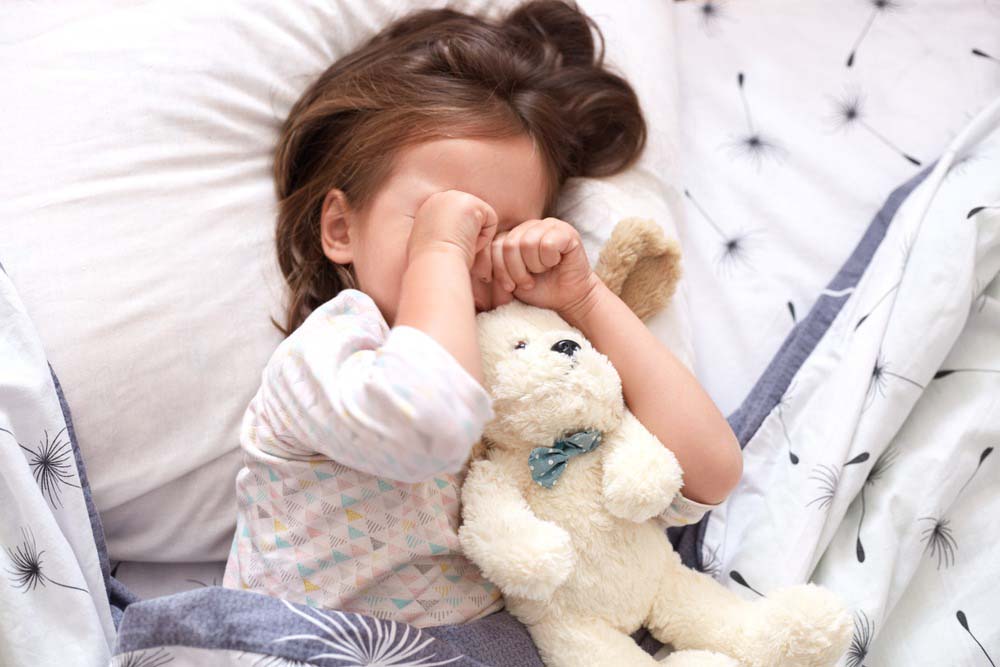
The reason experts are so strict about soft toys in the crib is not to remove comfort—it’s to reduce deadly risks when babies are still very small and weak. Soft objects around a young baby can:
- Cover the baby’s nose and mouth and block breathing.
- Trap the baby in a face-down position.
- Contribute to overheating, another risk factor for SIDS.
Babies under one year usually cannot reliably move away from a soft object that is covering their face. That is why guidelines say to keep the sleep surface firm, flat, and empty for so long.
As babies grow into toddlers, they get stronger: they can sit up, roll, crawl, pull toys off their face, and move around more easily. At the same time, the statistical risk of SIDS falls compared with the first months of life. That’s why many experts say after 12 months, some families may gradually introduce a small comfort toy, under medical guidance.
Risk factors that affect timing
| Factor | Why It Matters for Timing |
|---|---|
| Baby’s age | Under 12 months is the highest SIDS risk window; environment must be strict. |
| Ability to move & roll | Older infants and toddlers can usually move away from soft items themselves. |
| Medical conditions | Prematurity, respiratory/cardiac issues, or neuromuscular problems may require extra caution—ask your pediatrician. |
| Sleep environment | Firm, flat mattress with fitted sheet only is the baseline for safe sleep. |
| Number and size of objects | More or larger plush toys raise suffocation and entrapment risk. |
| Overheating risk | Extra soft items can trap heat around the baby’s face and body. |
As a parent or buyer, the safest mindset is: first an empty crib, then a carefully chosen comfort toy later—not the other way around.
Which types of stuffed animals are safest for older babies and toddlers?
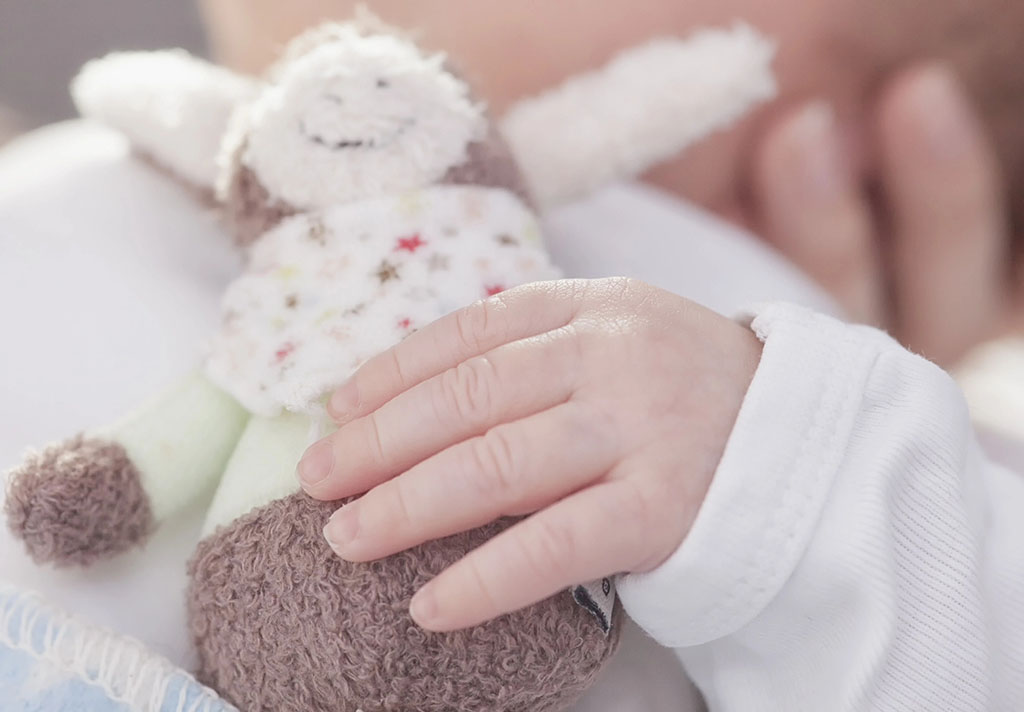
Once your child is old enough (at least 12 months, and your pediatrician is comfortable), the question becomes: what kind of stuffed animal can share the crib more safely? Not all plush toys are equal.
A safer crib companion for toddlers is usually:
- Small and lightweight (easy to move, not heavy on the face).
- Simple in shape (no long strings, ribbons, or large hard accessories).
- Firmly sewn (no loose buttons, plastic eyes, or pellets that can leak).
- Easy to wash (machine-washable or surface-cleanable, depending on label).
Safer vs higher-risk plush features for toddlers
| Feature Area | Safer Choice for Crib Use | Higher-Risk Features to Avoid |
|---|---|---|
| Size & weight | Small, light plush that your toddler can lift easily | Large, heavy plush that can cover face or limit movement |
| Construction | Embroidered eyes/nose, no loose parts | Plastic eyes/buttons, glued decorations, detachable pieces |
| Filling | Soft fiberfill, well-sealed inner structure | Loose pellets, poorly stitched seams, sharp internal parts |
| Fabric | Soft, breathable plush, no shedding fur | Very long pile fur that sheds or covers the nose easily |
| Added functions | No electronics, or very small sealed modules only | Hard, heavy sound boxes; wires or batteries near the face |
| Number of toys | One small comfort toy (if approved) | Many stuffed animals crowding the crib |
Even for toddlers, less is more inside the crib. One small, flat, well-constructed comfort plush is very different from a pile of large pillows and big stuffed animals.
How should parents evaluate size, materials, and construction for crib safety?
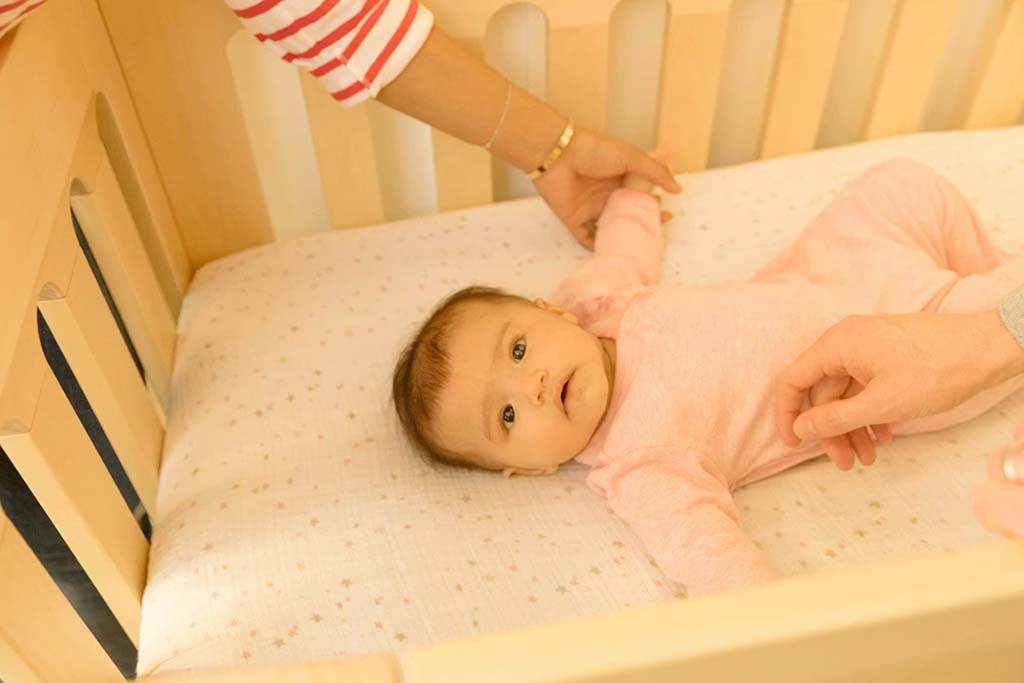
If your toddler is ready for a stuffed animal in the crib, it helps to think like a product inspector. You want to look at size, materials, and construction details the same way a safety lab or experienced buyer would.
A good question to ask yourself is:
“If this toy slid over my child’s face while they sleep, would it be easy for them to move it away?”
If the answer feels unsure, that plush may be better for daytime play only, not for independent sleep.
Practical crib-safety checklist for a stuffed animal
| Checkpoint | What to Look For in a “Crib-Approved” Plush |
|---|---|
| Size | Small enough that it cannot wrap fully around the head or torso. |
| Weight | Light; does not feel heavy when resting on your own face. |
| Face & features | Embroidered or securely applied, with no loose buttons or glued parts. |
| Seams | Tight, even stitching; no gaps, holes, or strained areas. |
| Filling | No palpable hard chunks or sharp edges; no sign of pellets leaking. |
| Labels & tags | Age grade (often 0+, 3+), care instructions, and material information. |
| Cleanliness | Can be washed or cleaned regularly; no mold or persistent odors. |
| Simplicity | No long strings, ribbons, or removable accessories inside the sleep space. |
From my side as a manufacturer, we design baby-focused plush with secure embroidery, strong seams, and standard safety testing (such as EN71, ASTM F963, CPSIA) so brands and parents can feel more confident. But even with safe design, the toy still needs to be used in the right way, at the right age.
What alternatives provide comfort before stuffed animals are safe in the crib?
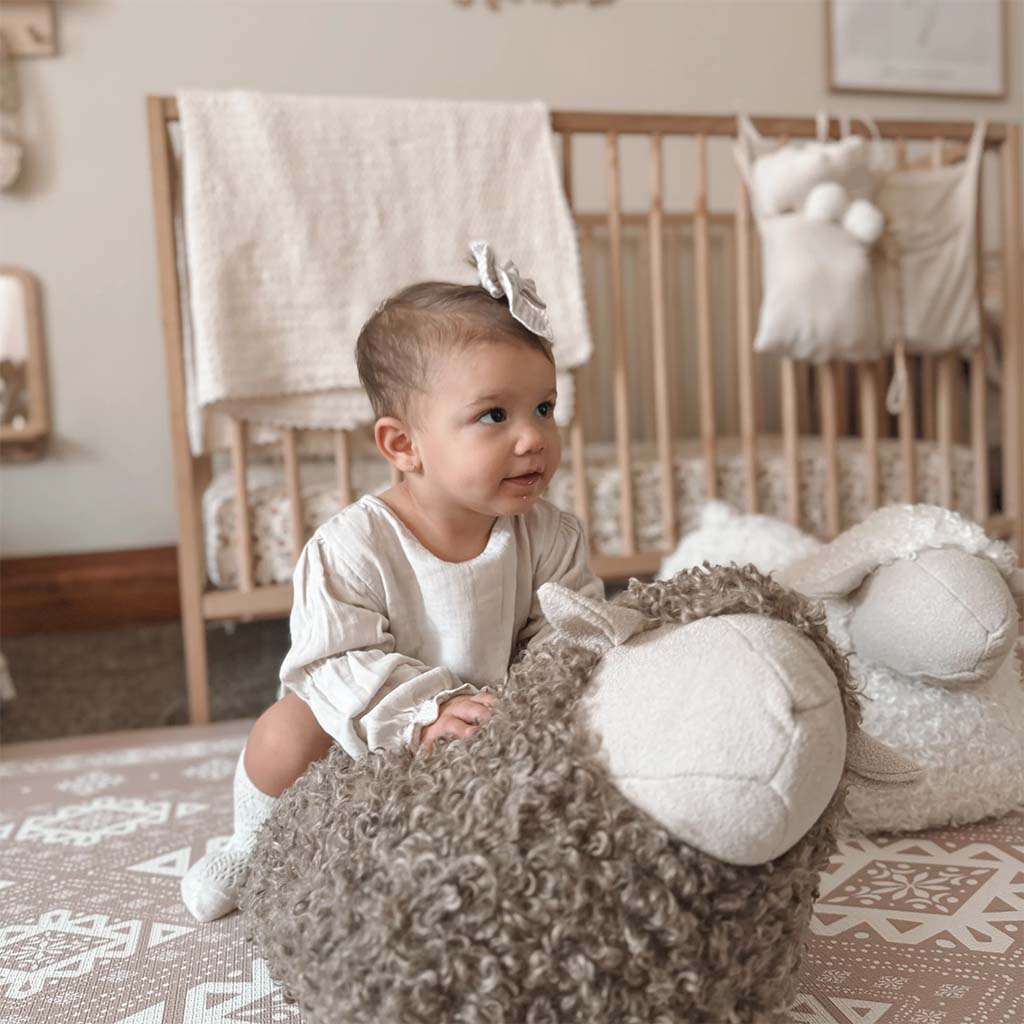
Parents want babies to feel comforted, especially in those early months when plush toys still need to stay out of the crib. The good news: there are safe-sleep-friendly alternatives that give comfort without adding loose soft items around the baby.
Health organizations suggest:
- Room-sharing (baby sleeps in their own crib or bassinet in the same room as parents for at least 6 months).
- Firm, flat mattress with fitted sheet only—no bumpers, pillows, or toys.
- Wearable blankets or sleep sacks to keep baby warm instead of loose blankets.
- Comfort from voice, touch, rocking, and routine, not from soft objects in the crib.
Some parents also let the baby see or touch a favorite plush outside the crib—for example, during playtime or cuddling before sleep—and then place the toy on a nearby shelf where the baby can still see it. This can build emotional attachment without breaking safe-sleep rules.
Safe comfort options before plush toys are allowed in the crib
| Age Stage | Safe Comfort Options (Outside of Plush in Crib) |
|---|---|
| Newborn–3 months | Skin-to-skin contact, swaddling if recommended, soothing voice, gentle rocking, room-sharing. |
| 3–6 months | Calming bedtime routine, soft singing, pacifier if recommended, consistent sleep cues. |
| 6–12 months | Continued routine, sleep sacks for warmth, parent’s scent on caregiver’s clothing (kept outside crib). |
| 12+ months | For some toddlers, a small comfort toy may be introduced in the crib with pediatrician’s guidance. |
As a factory, we often help brands create “daytime” baby plush lines plus matching printed blankets or sleepwear, so there are safe ways to bring characters into the nursery without violating crib safety rules.
How do cultural habits and parenting styles affect crib-toy decisions?
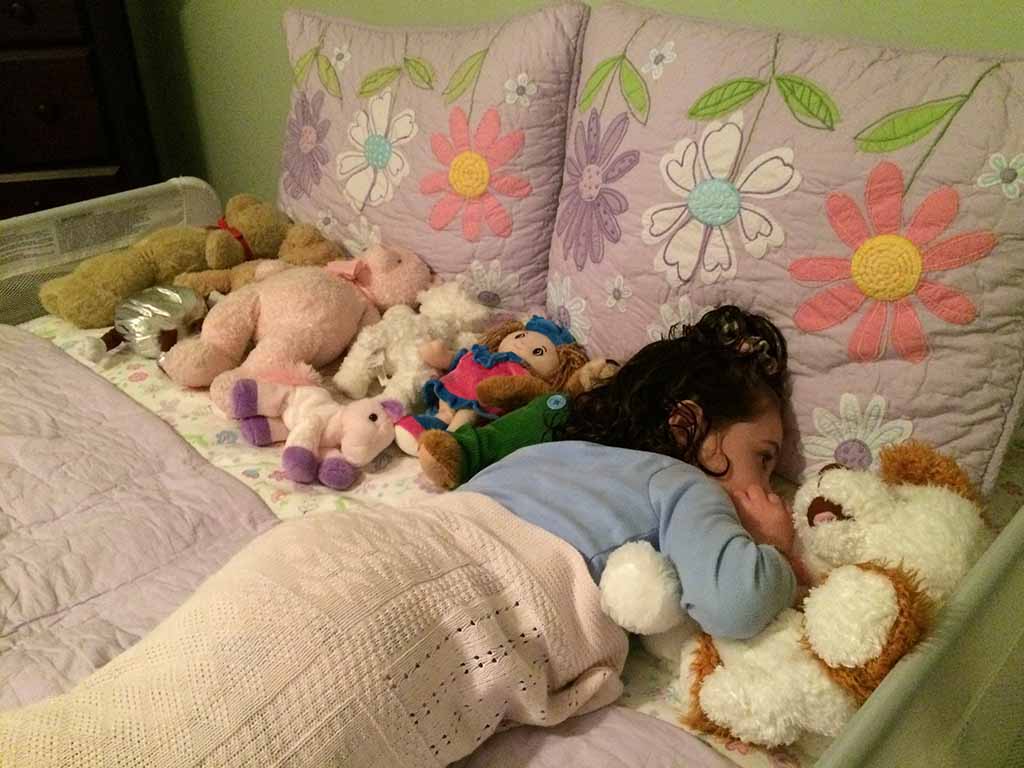
Real life is more complex than any single rule. Families around the world sleep in many different ways: cribs, floor beds, co-sleeping traditions, shared rooms, and more. Cultural habits and parenting styles shape how and when parents feel comfortable introducing toys, blankets, or comfort objects.
However, major pediatric bodies—like the AAP, CDC, NHS, and national safe-sleep charities—keep repeating the same core advice:
- Babies should sleep on their backs on a firm, flat surface.
- The sleep space should be as empty and clear as possible.
- Soft toys and loose bedding add risk, especially in the first year.
Parents then apply this advice inside their own cultural and family context. Some caregivers feel comfortable introducing a comfort object soon after the first birthday; others prefer to wait much longer or keep the crib toy-free and let plush live on the bed only when the child moves to a toddler bed.
How habits and styles shape crib-toy choices
| Influence Area | How It Can Affect When Toys Enter the Crib |
|---|---|
| Local guidelines | Some countries and charities are very strict: “no soft toys in cot” for the first year or longer. |
| Family traditions | Co-sleeping, shared beds, or floor sleeping may change how parents view toys and comfort objects. |
| Parenting philosophy | Safety-first minimalist parents may keep cribs empty longer; others may introduce a lovey earlier once guidelines say “may consider”. |
| Baby’s temperament | Very anxious or sensitive children may drive parents to look for comfort tools, including plush, once it is age-appropriate. |
| Health and development | Preterm babies or those with health issues may need extra caution and stricter environments. |
| Professional guidance | Pediatricians, nurses, and sleep consultants often influence the final decision and timing. |
No matter the style, one principle stays the same: safety comes first, cuteness second. As your baby grows into a confident toddler, you can slowly invite their favorite stuffed friends into sleep routines—in a way that respects both culture and science.
Conclusion
Stuffed animals and baby cribs look perfect together in photos, but in real life, safety has to come before aesthetics. During the first 12 months, pediatric guidelines consistently recommend keeping the crib free of soft toys and other loose objects. Only after this high-risk period—and with your child’s doctor’s guidance—does it make sense to consider one small, safe, well-constructed plush as a comfort companion in the crib. Thoughtful choices about size, weight, materials, and timing help you protect your baby’s breathing and sleep while still building warm emotional connections with their favorite toy.
At Kinwin, my team and I design plush toys that meet international safety standards and are easier for brands and parents to trust—especially for baby and toddler ranges. We focus on secure stitching, soft fabrics, and child-safe details, then leave it to caregivers to decide when and how those toys are used according to local pediatric guidance. If you’re planning a baby plush line and want products that look adorable on the shelf while aligning with modern safe-sleep expectations, you’re very welcome to contact me at [email protected] or visit kinwintoys.com to see how our factory can support your next project.