When buyers ask me for “stuffed animals,” they often mean many different things: baby comforters, giant floor plush, realistic wildlife, kawaii characters, or branded mascots. If you don’t define the type clearly, you risk confusing factories, mispricing your range, or missing your real market.
I’m Amanda from Kinwin, a plush toy factory in China. In this guide, I’ll walk you through the main types of stuffed animals we see in today’s market—by category, materials, design style, retail segment, manufacturing features, and trends—using simple language and a practical B2B angle. This way, you can brief factories more clearly, plan assortments with confidence, and choose the right plush types for your customers.
What major categories define today’s stuffed animals?
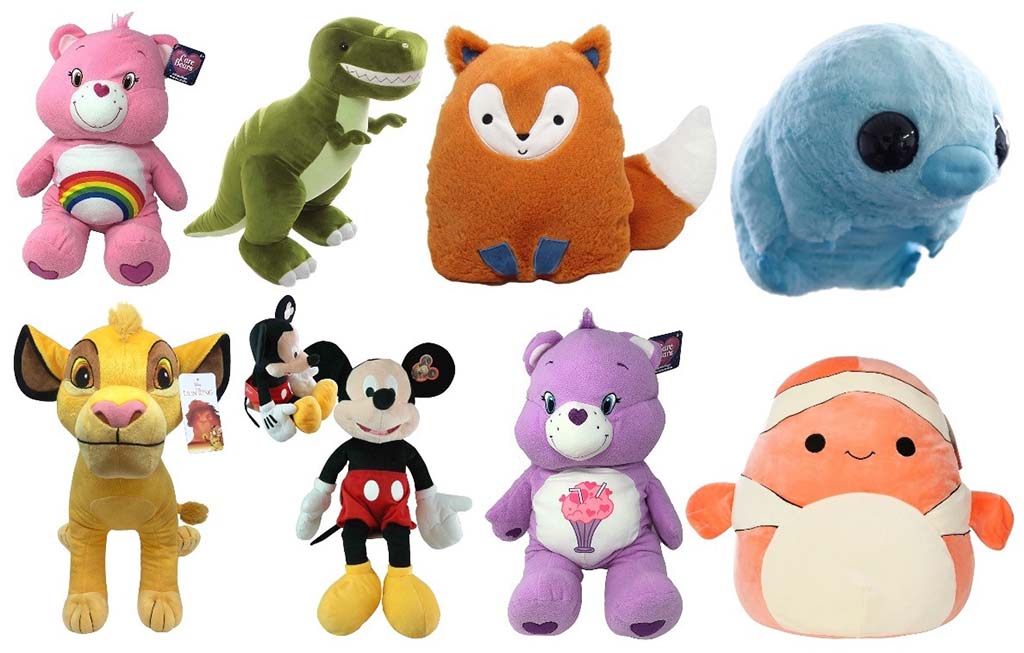
When you step back from individual designs, most stuffed animals fall into a few core categories. Understanding these helps you organize your range, position price points, and decide which buyer segments you want to serve.
From a factory perspective, I usually group stuffed animals into:
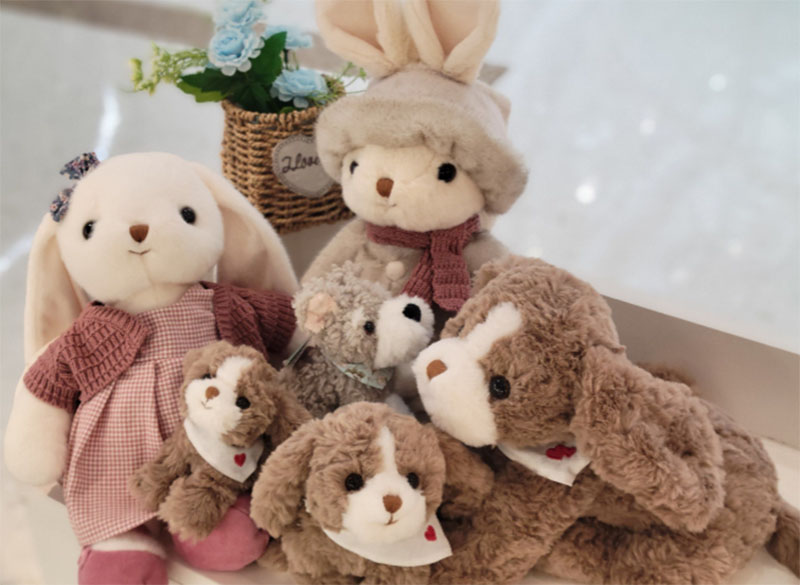
- Classic plush toys (bears, bunnies, farm animals, etc.)
- Character and licensed plush
- Baby and infant plush products
- Realistic and educational animals
- Decor, pillow, and cushion-style plush
- Specialty and therapeutic plush (weighted, sensory, etc.)
You can mix categories, but this simple map already helps you see where you are strong and where you have gaps.
Main stuffed-animal categories at a glance
| Category | Typical Examples | Main Use Case |
|---|---|---|
| Classic plush toys | Teddy bears, bunnies, cats, dogs, zoo animals | Everyday play, gifts, souvenirs |
| Character & licensed plush | Movie, TV, game, anime characters, brand mascots | Fandom, collections, IP-driven sales |
| Baby & infant plush | Rattles, comforters, soft animals, music plush | 0–3 years, soothing and early play |
| Realistic & educational animals | Wildlife, birds, sea life, dinosaur lines | Learning, museum/zoo shops, decor |
| Decor & pillow-style plush | Plush pillows, cushions, floor plush, loungers | Home decor, cozy spaces, teen/adult markets |
| Specialty & therapeutic plush | Weighted animals, sensory plush, heat/cool plush | Anxiety support, sensory aid, wellness |
Once you choose your main categories, it becomes much easier to work with a factory like Kinwin on targeted development instead of random one-off designs.
How do materials and fillings differentiate various stuffed animal types?
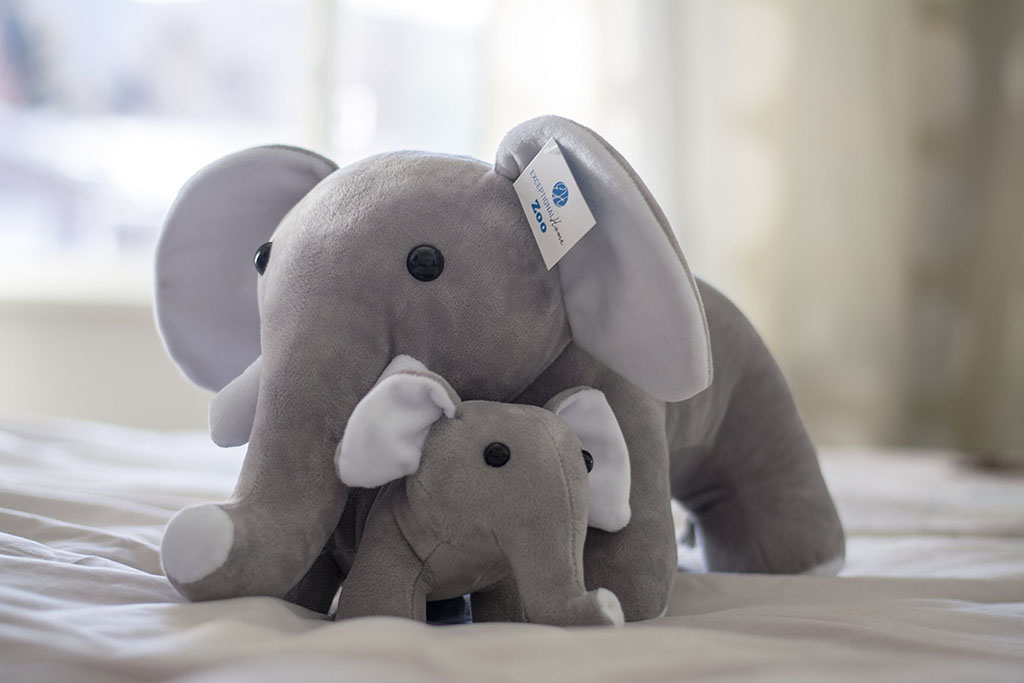
Two stuffed animals can look similar in photos but feel totally different in real life. The key difference is often materials and fillings. These choices affect softness, durability, safety, weight, and price—so they also define the “type” of plush you are offering.
For example, a baby comforter uses ultra-soft, low-shedding fabrics and soft fiberfill. A weighted animal uses normal plush plus heavier bead or glass fillings. A decorative cushion plush may have denser foam to keep shape on a sofa.
Common outer fabrics
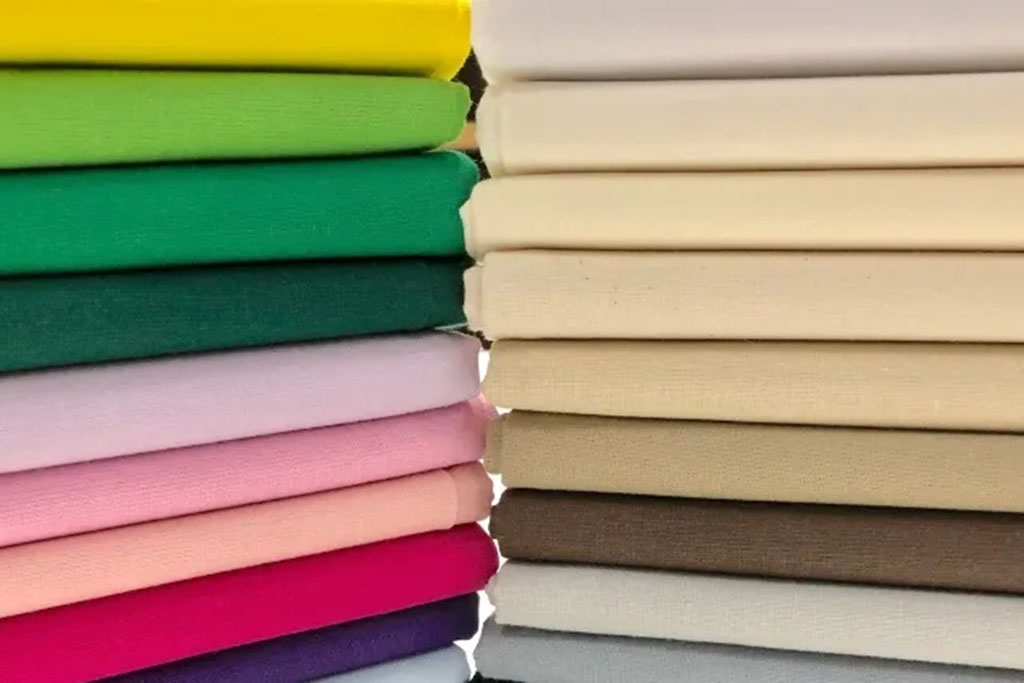
- Short plush / velboa – smooth, durable, ideal for mass-market toys.
- Minky / micro plush – extra soft, popular for baby and premium lines.
- Fleece – cozy feel, good for warm, friendly characters.
- Corduroy / textured fabrics – add visual interest and grip.
- Faux fur / long pile – used for realistic animals or luxurious looks.
Common fillings
- Polyester fiberfill – standard stuffing, light and washable.
- Poly pellets or glass beads – add weight for “weighted” toys.
- Foam pieces or shaped foam – used in cushions and plush pillows.
- Mixed fillings – fiberfill plus pellets to balance softness and weight.
Materials and fillings by plush type
| Plush Type / Segment | Typical Fabrics | Typical Fillings | Feel & Performance |
|---|---|---|---|
| Standard play plush | Short plush, velboa, fleece | Polyester fiberfill | Soft, light, good for everyday use |
| Baby & infant plush | Minky, ultra-soft plush, low-shed fur | Soft polyester fiberfill (no loose parts) | Extra gentle, safe for sensitive skin |
| Realistic wildlife plush | Faux fur, short plush, textured fabrics | Fiberfill, sometimes extra internal supports | Detailed shapes, more sculpted feel |
| Decor & pillow plush | Plush + soft knit or woven fabrics | Fiberfill, foam, or fiberfill+foam mix | More structured, supports leaning / lounging |
| Weighted stuffed animals | Short plush, minky | Fiberfill + poly pellets/glass beads | Heavier, deep-pressure feel |
| Promotional / budget plush | Basic short plush, simple knits | Fiberfill (lower density) | Cost-focused, simple construction |
When you brief a factory, sharing target fabric type and filling logic helps us select the right materials, manage costs, and hit the softness and durability your market expects.
Which design styles shape plush animals for different age groups and uses?
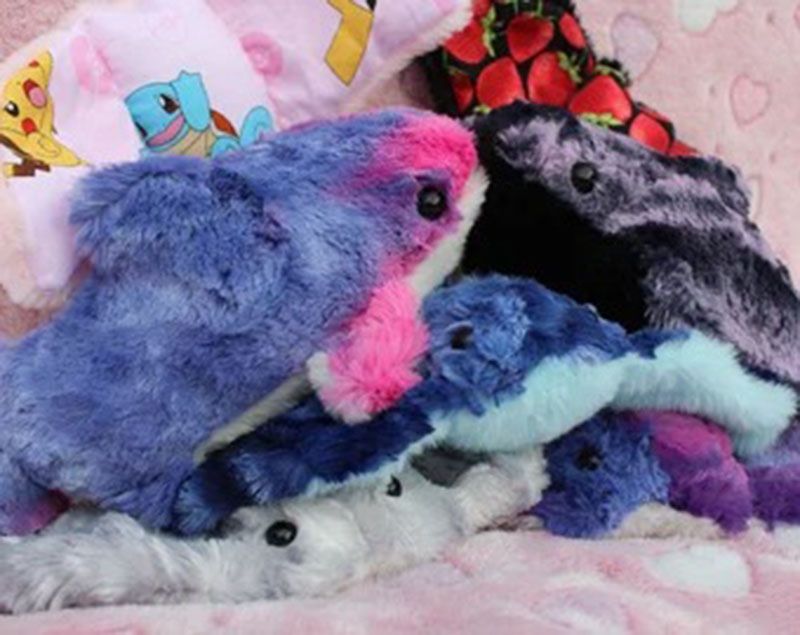
Stuffed animals are not just “cute” or “not cute.” Design style changes a lot based on age group, culture, and usage scenario. The same dog character can look totally different for a baby line, a teen fandom line, and a minimalist home-decor range.
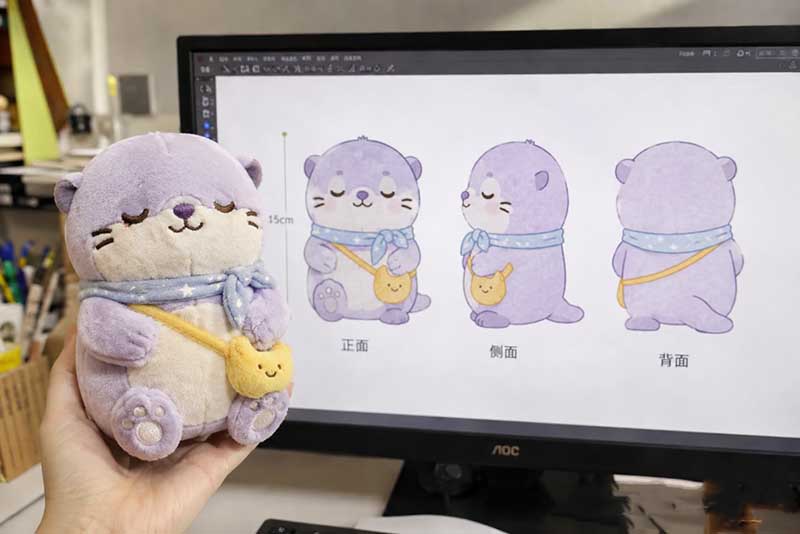
As a buyer or brand owner, you want to be clear about your design language: kawaii, realistic, chibi, classic, minimalist, or stylized. This affects facial proportions, color palettes, and even how much embroidery vs printing we use.
Key design styles
- Kawaii / chibi style
- Big heads, small bodies, huge eyes, pastel colors.
- Strong with teens, young adults, and fandom communities.
- Classic / traditional style
- Balanced proportions, gentle expressions, neutral colors.
- Works well for gifts, general retail, and broad age ranges.
- Realistic style
- Detailed fur patterns, realistic body shapes, natural colors.
- Popular in zoo shops, educational sets, and decor.
- Minimalist / graphic style
- Simple shapes, stylized faces, limited colors.
- Fits lifestyle brands, design stores, and home decor.
- Novelty / fashion-forward style
- Bold patterns, metallic fabrics, trendy outfits, meme-based designs.
- Good for seasonal drops, influencer collabs, and statement pieces.
Design styles by age and use
| Target Group / Use | Typical Style Characteristics | Example Positioning |
|---|---|---|
| Babies & toddlers | Soft shapes, low detail, embroidered faces | Comforters, first animals, sleep companions |
| Preschool & early school | Friendly animals, bright colors, clear expressions | Everyday play, gifts, story characters |
| Tweens & teens | Kawaii/chibi, fandom characters, mood-based faces | Collectibles, desk friends, social media props |
| Adults (gifts & decor) | Minimalist, realistic, or nostalgic styles | Sofa plush, office mascots, lifestyle items |
| Educational / museum | Realistic anatomy, species-accurate colors | Wildlife series, sea life, dinosaur lines |
| Therapeutic / sensory use | Rounded forms, calm colors, stable weight | Weighted plush, sensory-friendly designs |
When you align style with age group and usage, your collection feels more coherent—and it’s easier to brief us on exact eye style, nose type, and silhouette for sampling.
How are stuffed animals classified across retail, collectible, and promotional segments?
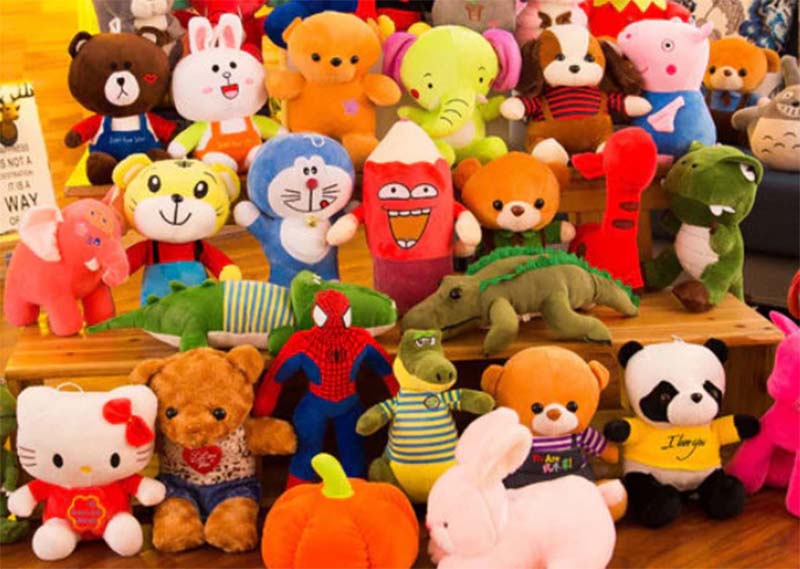
Beyond design and materials, buyers also think in terms of business segments. The same plush toy can be a retail product, a collectible, or a promotional item, depending on how it’s priced, packaged, and distributed.
For factories, each segment has different expectations for MOQ, packaging, licensing, and quality control. Knowing your segment helps us balance cost vs. detail.
Retail segment
- Sold through toy shops, supermarkets, online marketplaces, lifestyle stores.
- Focus on price tiers (entry, mid, premium), broad appeal, and safety standards.
Collectible segment
- Limited editions, artist collaborations, numbered series.
- Higher detail, sophisticated fabrics, stronger storytelling and packaging.
Promotional segment
- Plush used as giveaways, loyalty gifts, or brand mascots.
- Strong branding on tags, T-shirts, or embroidery, usually simpler shapes.
Classification across segments
| Segment Type | Typical Buyer | Key Features | Priority Factors |
|---|---|---|---|
| Mass retail | Toy brands, chain retailers, discounters | Wide assortment, competitive pricing, high volume | Cost, safety, reliable supply |
| Specialty / lifestyle retail | Concept stores, home decor, bookstores | Stylish designs, curated themes, smaller runs | Aesthetic, storytelling, packaging |
| Collectibles & fandom | Niche brands, IP holders, fan shops | High detail, limited editions, strong IP | Design quality, authenticity, scarcity |
| Promotional & corporate | Brands, agencies, events | Logos, mascots, themed campaigns | Branding visibility, budget, deadlines |
| Education & institutional | Museums, zoos, aquariums, schools | Species accuracy, educational tags | Realism, durability, ethical messaging |
Many brands combine segments: for example, a core retail line plus a few collectible or promotional pieces tied to events. When you share your segment mix, we can suggest different spec levels for each group instead of using one standard for all.
What manufacturing features distinguish simple plush from advanced specialty types?
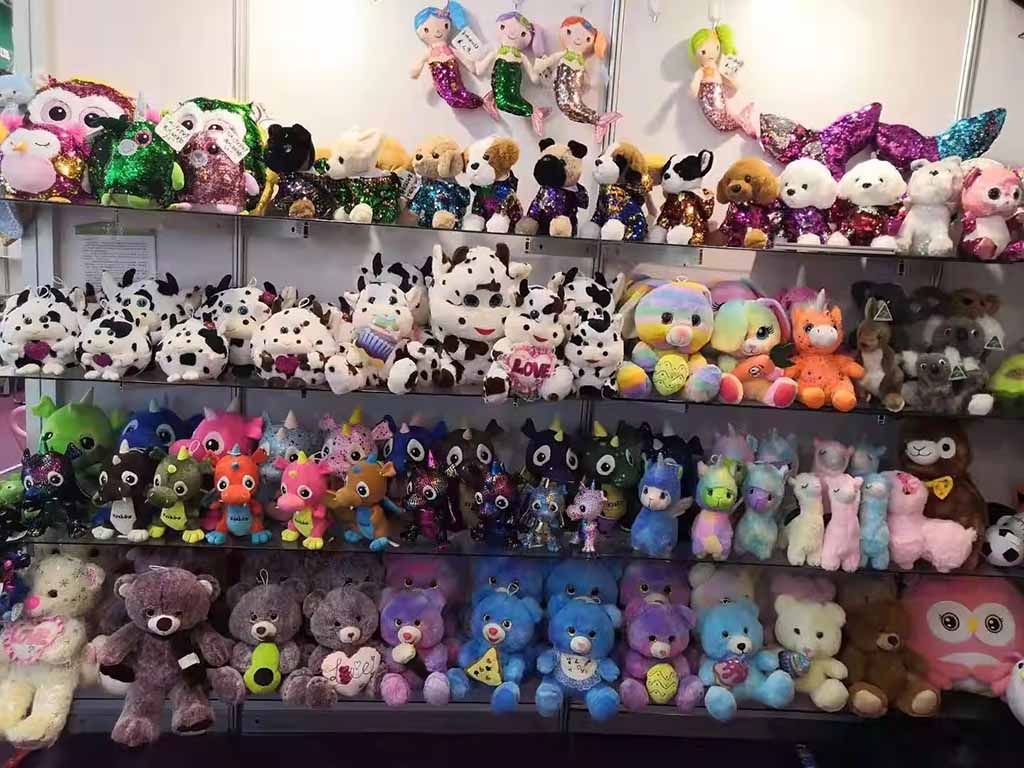
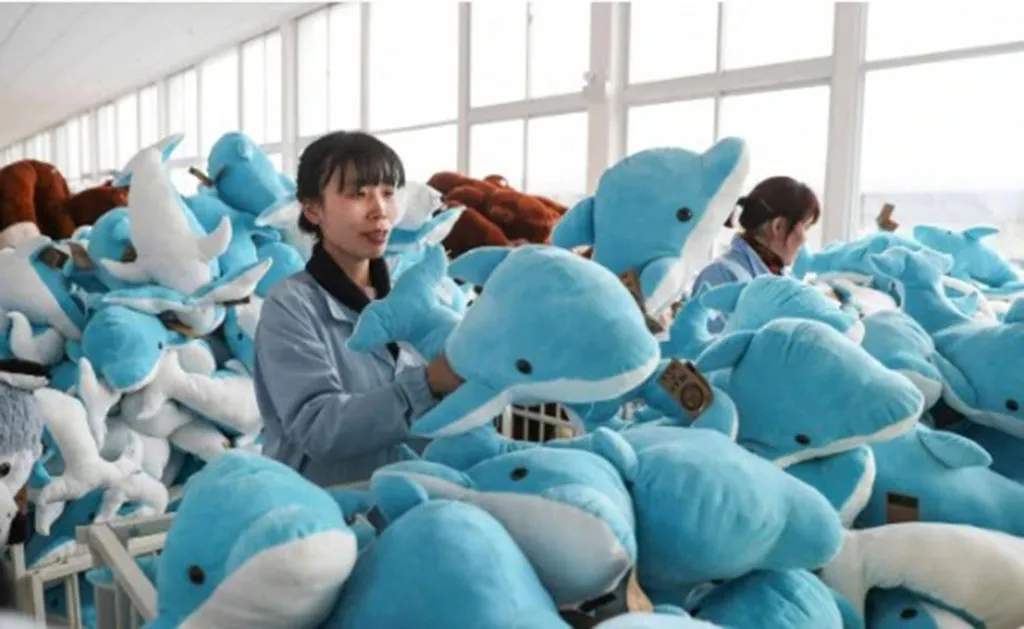
Not all stuffed animals are built the same way. Some are simple cut-and-sew shapes with standard stuffing; others include embroidery, sound modules, complex patterning, weighted systems, or special safety construction. These manufacturing features create clear “types” in both cost and function.
Simple / standard plush
- Few pattern pieces, basic shapes.
- Printed or embroidered faces, no electronics.
- Standard fiberfill stuffing.
- Great for entry-level price points and volume promotions.
Advanced / specialty plush
- Multi-panel 3D patterning for complex shapes.
- Detailed embroidery or appliqué, mixed fabrics, accessories.
- Weighted sections, sensory textures, or internal frames.
- Sound, light, or motion modules (requires extra safety and testing).
Key manufacturing features by type
| Manufacturing Feature | Where It Appears | Effect on Type & Perception |
|---|---|---|
| Pattern complexity | Realistic animals, detailed characters | More lifelike, premium feel, higher cost |
| Embroidered vs printed details | Baby toys, premium lines (more embroidery) | Embroidery = safer and more durable for young kids |
| Mixed materials & textures | Sensory plush, decor, premium collections | Richer tactile experience, higher positioning |
| Weighted compartments | Therapeutic plush, sensory lines | Deep-pressure effect, “calming” positioning |
| Internal structure (frames, foam blocks) | Large decor plush, cushions | Better shape retention, furniture-like feel |
| Electronics (sound, light) | Story-based toys, educational plush | Interactive play, higher testing and compliance |
When you ask a factory for a quotation, try to specify if you need simple construction or advanced specialty features. This avoids surprises in sampling cost and lead time.
How do trends and licensing influence modern stuffed animal categories?
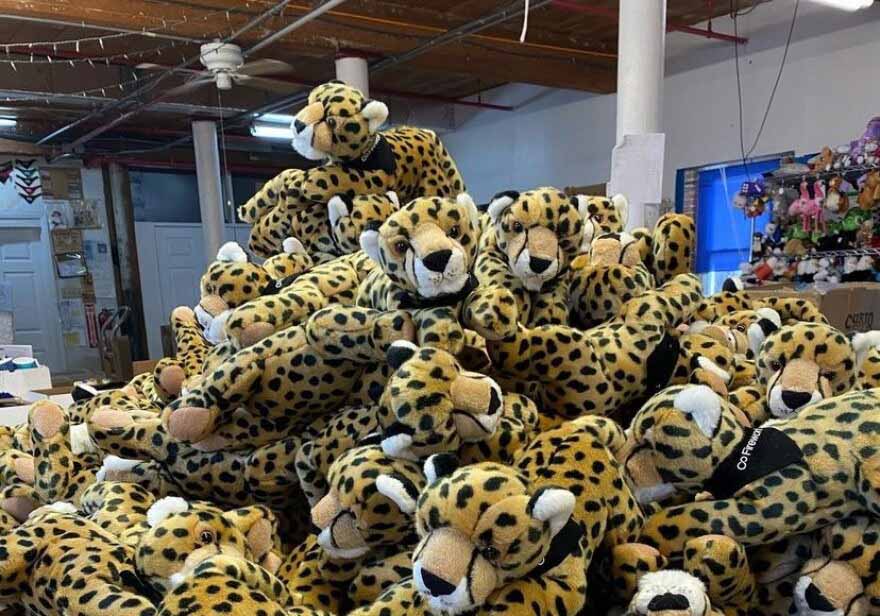
Stuffed animal types are also shaped by trends and licensed IP. What sells strongly today is often a mix of classic categories with current cultural waves: social media aesthetics, gaming worlds, nostalgic characters, and wellness themes.
Trend drivers
- Kawaii and “soft life” aesthetics
- Pastel colors, round shapes, sleepy faces.
- Strong on TikTok, Instagram, and in teen decor.
- Nostalgia and retro brands
- Reboots of older characters, vintage-style bears and bunnies.
- Appeals to adults who grew up with certain IPs.
- Wellness and comfort
- Weighted plush, aromatherapy inserts, cuddle pillows.
- Marketed as stress-relief companions.
- Eco-conscious choices
- Recycled polyester, organic cotton, minimal packaging.
- Clear messaging around sustainability.
Licensing and IP
Licensed plush takes existing characters from:
- Movies, TV shows, and streaming series
- Anime and manga
- Video games and apps
- Sports teams and events
- Corporate or event mascots
These licensed categories often form their own “type” in the market, with strict rules for:
- Character shape and expression
- Approved colors and details
- Labeling and packaging
- Territory and sales channel control
Trends and licensing shaping plush types
| Influence Area | How It Changes Stuffed Animal Types | Example Directions |
|---|---|---|
| Social media aesthetics | More kawaii, oversized heads, pastel palettes | “Instagrammable” plush, shelf decor, mood toys |
| Wellness & self-care | Weighted, huggable, body-length plush | Anxiety-support plush, cuddle body pillows |
| Eco & sustainability | Recycled fabrics, low-impact dyes, simple tags | “Green” collections, conscious consumer focus |
| Fan & gaming culture | Character-based plush, in-game skins turned toys | IP plush, event-exclusive merch |
| Seasonal themes | Limited runs for holidays or events | Valentine, Halloween, Christmas collections |
| Collaborations & drops | Artist-designed, numbered, or timed releases | Hype-based collectible plush lines |
If you plan a new line, it helps to decide: Are you building a timeless core line, a trend-driven drop, or a licensed extension? Each path affects the type of stuffed animal you should develop.
Conclusion
Today’s stuffed animals cover many types—classic play plush, baby comforters, realistic wildlife, decor cushions, licensed characters, weighted and sensory animals, and more. Behind each type are clear choices in materials, fillings, design style, business segment, and manufacturing complexity. When you understand these layers, you can brief factories more clearly, control quality and cost, and build plush ranges that truly match your brand and customers.
At Kinwin, we help global buyers turn category ideas into real products—from simple promotional plush to advanced, trend-driven or licensed-ready collections. If you’d like support mapping your next plush line and selecting the right types for your market, you’re very welcome to contact me at [email protected] or visit kinwintoys.com to explore how our factory can support your long-term success.