Many people now ask me not only for “cute plush toys,” but for weighted plush that can help with stress, sleep, and anxiety. The idea sounds simple: combine the comfort of a stuffed animal with the calming effect of gentle pressure. But does it really help, and how do you use it safely?
I’m Amanda from Kinwin, a plush toy factory in China. I’m not a doctor or therapist, but I work closely with brands who design weighted plush for children, teens, and adults. In this guide, I’ll share what current research says about deep pressure, how weighted plush may support anxiety relief, who might benefit, and what safety rules you should never ignore.
Do weighted stuffed animals provide measurable benefits for anxiety relief?

The short answer: weighted stuffed animals can help some people feel calmer, but they are not a cure and research is still limited. Most formal studies focus on weighted blankets and vests, not stuffed animals. However, the basic mechanism—deep pressure stimulation—is similar.
Studies on weighted blankets suggest they can reduce anxiety symptoms and improve sleep in some people by applying firm, even pressure to the body. This pressure appears to influence the autonomic nervous system, shifting it toward a calmer state and reducing stress responses.
Weighted stuffed animals usually apply pressure on a smaller area: lap, chest, shoulders, or arms. So the effect is more local and gentle. Many users, especially children and teens, still report:
- Feeling more grounded and “held”
- Less fidgeting during stress or homework
- Easier time falling asleep
- Slight reduction in tension or worry
Anxiety support blogs and occupational-therapy resources also describe weighted toys as tools that can help with self-regulation, focus, and calming during transitions.
It’s important to say clearly:
- Emotional relief is real for many people, but very individual.
- Weighted plush is a comfort tool, not a replacement for therapy, medication, or medical care.
- If someone has a diagnosed anxiety disorder, they should always speak with a healthcare professional before relying on any weighted product.
Table – What weighted stuffed animals can and cannot do
| Aspect | What They May Help With | What They Cannot Replace |
|---|---|---|
| Immediate comfort | Provide a soothing, “held” feeling | Emergency medical or psychiatric care |
| Everyday anxiety management | Help some people feel less restless and tense | Professional diagnosis and treatment plans |
| Sleep routine | Support bedtime calming when hugged or placed on lap | Full treatment for chronic insomnia or severe anxiety |
| Emotional regulation for kids | Offer a predictable, comforting weight during stress | Long-term therapy, parent–child relationship work |
| Sensory support | Assist some people who seek deep pressure input | Comprehensive sensory-integration therapy |
So yes, weighted plush can be helpful—but it works best as one small part of a larger anxiety-support toolbox.
How does deep-pressure stimulation from weighted plush toys affect the nervous system?
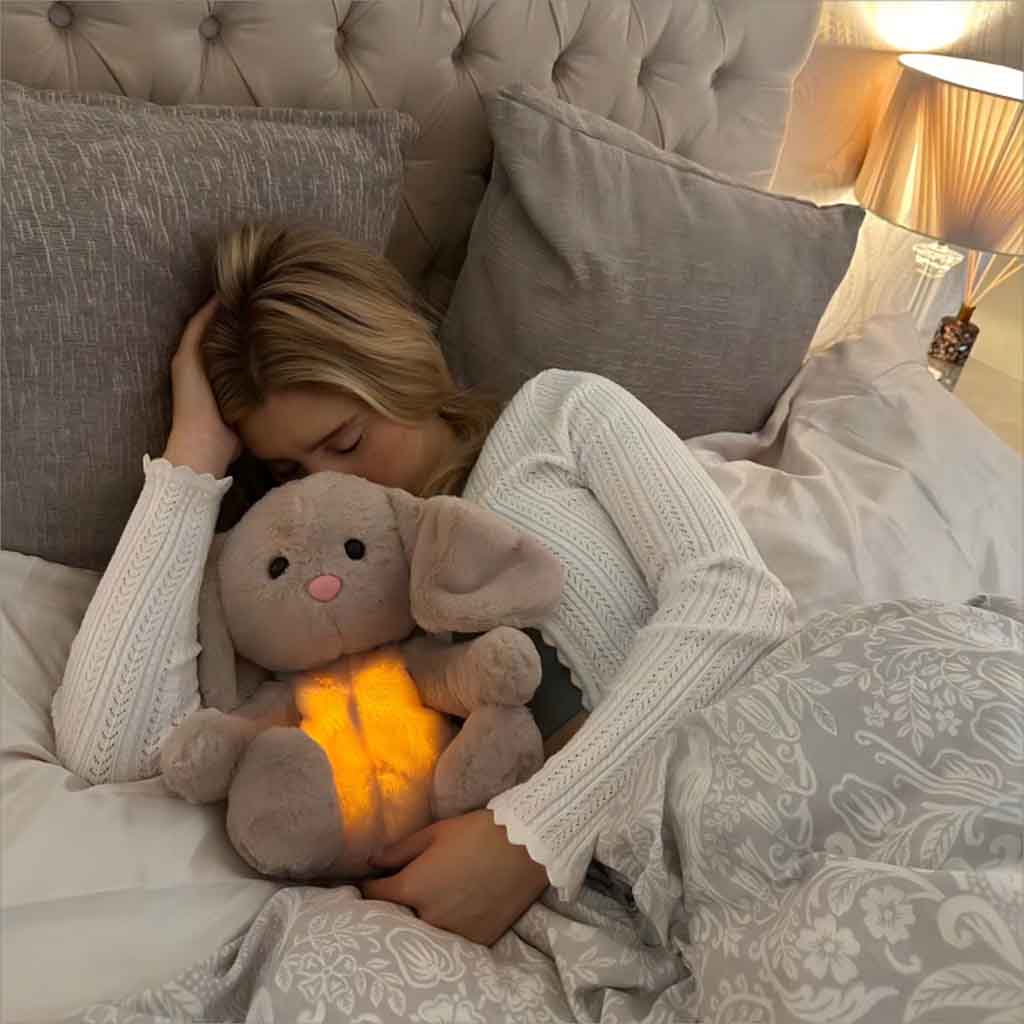
To understand why weighted stuffed animals can feel calming, it helps to look at deep pressure stimulation (DPS). DPS is firm but gentle pressure applied to the body—like a hug, a snug blanket, or a weighted toy resting on your lap.
Research on weighted blankets, vests, and other deep-pressure tools shows that DPS can change how the autonomic nervous system (ANS) behaves. The ANS controls “fight or flight” (sympathetic system) and “rest and digest” (parasympathetic system).
Several studies report that deep pressure:
- Reduces signs of physiological arousal (like stress-related skin conductance)
- Increases signals linked to parasympathetic activation (the calmer state)
- Helps maintain sympathovagal balance (healthy balance between stress and calm)
Weighted blankets, for example, have been associated with less anxiety and better sleep in some groups, including psychiatric patients with insomnia.
A weighted stuffed animal does the same thing, but on a smaller scale:
- When placed on the lap, it can calm legs and core.
- When hugged to the chest, it can create a steady, comforting pressure near the heart.
- When placed on the shoulders or back (under supervision), it can help relax upper-body tension.
Table – Deep pressure and what people feel
| Deep-Pressure Effect (ANS) | What Research Suggests | How Users Often Describe It |
|---|---|---|
| Increased parasympathetic (calming) activity | DPS can shift the ANS away from fight-or-flight mode | “I feel more grounded and less jumpy.” |
| Reduced sympathetic (stress) activation | Deep pressure may lower arousal and stress markers | “My body stops buzzing and I can breathe again.” |
| More balanced sympathovagal responses | Weighted tools help maintain ANS balance | “I feel more stable, not so up-and-down.” |
| Better ability to self-regulate in some users | Occupational therapy often uses weighted items for regulation | “It helps me settle enough to focus or sleep.” |
Weighted plush is not magic. But it can give the body a clear physical signal of safety and containment, which for some people makes emotional regulation easier.
Which groups—children, teens, or adults—respond best to weighted plush for anxiety?
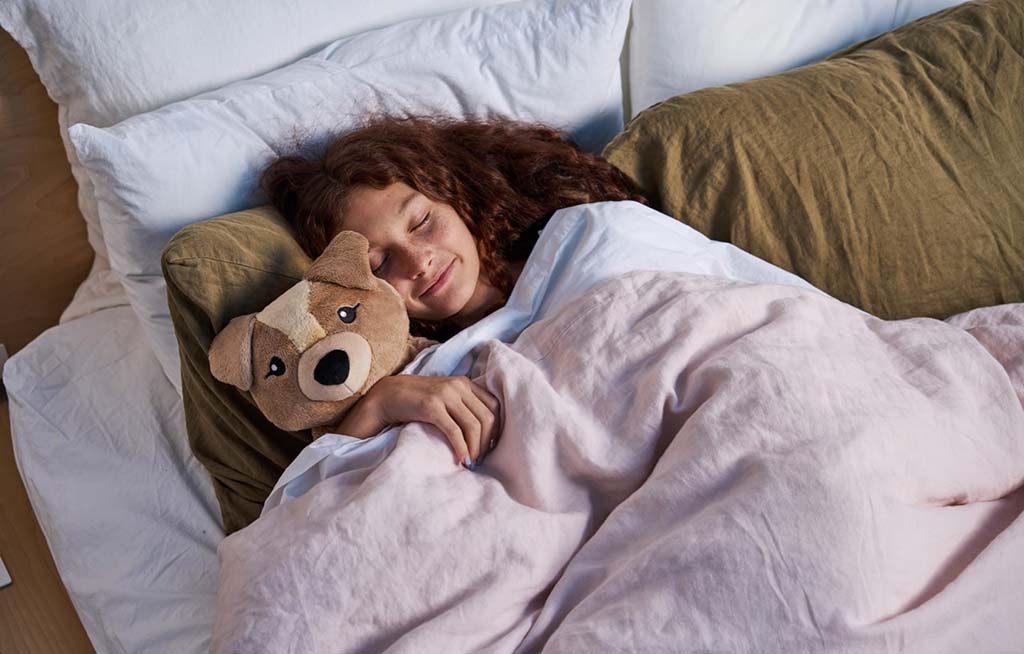
In my daily work with global buyers, I see weighted plush requested for all ages, but the reasons differ. Research again focuses more on weighted blankets and vests, but we can see patterns in who tends to respond well to deep pressure tools.
Children
Children—especially those who:
- Have sensory processing differences
- Are on the autism spectrum
- Have ADHD or trouble sitting still
- Feel anxious in new or noisy environments
…often respond well to weighted toys used correctly and under adult guidance. Occupational therapists sometimes suggest weighted objects (including toys) for short, structured periods to support calming, focus, and transitions.
Teens
Teens may use weighted plush to:
- Manage school stress or exam anxiety
- Create a sense of security during sleep
- Support self-regulation during screen time, study, or therapy
Because plush feels less “medical” than a blanket or vest, some teens find weighted toys more acceptable and less stigmatizing.
Adults
Adults use weighted plush mostly for:
- Bedtime calming and insomnia support (similar to weighted blankets)
- Daytime grounding during work, travel, or panic-prone situations
- Emotional comfort in depression, grief, or chronic stress (as a small supportive tool, not a cure)
Table – Who commonly uses weighted plush and why
| Group | Typical Reasons for Using Weighted Plush | Notes |
|---|---|---|
| Young children | Sensory regulation, transitions, bedtime anxiety | Should always be supervised; avoid heavy weights |
| School-age kids | Focus at school/homework, night fears | Use time-limited sessions as advised by professionals |
| Teens | Study stress, social anxiety, sleep difficulties | Plush can feel more discreet than clinical tools |
| Adults | Stress management, insomnia support, emotional comfort | Often used with other self-care practices |
| Neurodivergent individuals | Sensory overload, grounding needs | Weighted tools are common in OT programs |
Response is always individual. Some people love weighted plush; others feel nothing or even dislike the sensation. That’s normal.
How do weight, size, and fillings influence therapeutic effectiveness?
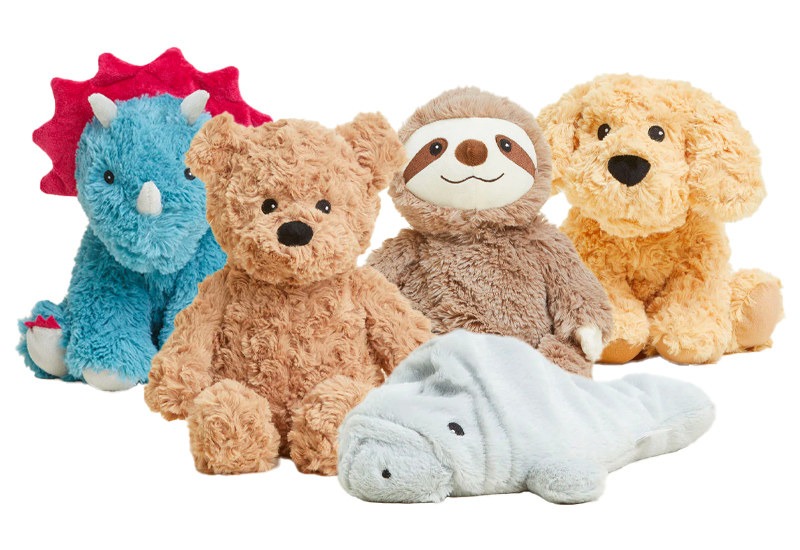
Not every weighted stuffed animal is equal. To feel comfortable and helpful, the toy’s weight, size, and filling type need to match the user’s body and preferences.
There are no strict, science-backed rules yet for weighted plush, but we can borrow guidelines from weighted blankets and vests, which often suggest around 5–10% of body weight, with careful professional oversight for children.
For plush, I recommend staying lighter because:
- The toy sits on a smaller area.
- It is often used for longer periods.
- You still want the user to move easily and remove it at any time.
General practical ideas (not medical rules)
- Small kids: light plush, usually well under 5% of body weight.
- Older children/teens: moderate weight that feels clearly present but not restrictive.
- Adults: can handle more weight, but comfort and breathing must always feel easy.
Fillings commonly include:
- Poly pellets (plastic) – widely used, easy to distribute weight.
- Glass beads – smaller and denser, allow more compact weight.
- Combined filling – fiberfill for softness + pellets or beads for weight.
Table – Design factors for weighted stuffed animals
| Factor | Practical Options | Impact on Experience |
|---|---|---|
| Total weight | Light to moderate (varies by age/body size) | Too light = no effect; too heavy = uncomfortable |
| Size / shape | Lap-sized, hug-sized, or shoulder-length | Larger surface gives more even pressure |
| Filling type | Poly pellets, glass beads, or mix with fiberfill | Affects feel (grainy vs smooth) and distribution |
| Weight distribution | Evenly spread in body or in “core” zones | Even pressure feels calmer and more predictable |
| Outer fabric | Soft plush, minky, fleece | Influences overall comfort and sensory feel |
If you design or buy weighted plush for anxiety, think of it like choosing a gentle, steady presence, not a heavy training weight.
What safety considerations matter when using weighted stuffed animals for anxiety?

This part is critical. Weighted products, including blankets and toys, can be unsafe if used in the wrong way or with the wrong person. Clinical guidelines for weighted blankets highlight real risks for some health conditions and very young children.
Common safety concerns include:
- Breathing and circulation – too much weight on chest or upper body.
- Mobility and independence – user must be able to move the toy away by themselves.
- Age – weighted products are usually not recommended for babies and toddlers.
- Medical conditions – respiratory, cardiac, circulation issues, uncontrolled epilepsy, or severe hypotonia can make weighted items unsafe without medical advice.
Practical safety rules
- Never place a weighted plush on a sleeping baby or toddler, especially near the face or chest.
- The user should always be able to move the toy away on their own.
- Avoid placing heavy plush on the neck or directly on the face.
- If someone has breathing, heart, circulation, or serious neurological issues, talk to a healthcare professional first.
- Inspect seams often so no pellets or beads can leak out (choking risk).
Table – Safety checklist for weighted stuffed animals
| Safety Aspect | Recommended Practice | Why It Matters |
|---|---|---|
| Age | Avoid weighted plush for babies; supervise young kids | Reduces suffocation and entrapment risk |
| Ability to remove | User must move toy off their body independently | Prevents feeling trapped, helps in emergencies |
| Health conditions | Consult a professional for respiratory, cardiac, circulation, epilepsy, or hypotonia | Weighted items can worsen some conditions |
| Placement | Use on lap, beside body, or as a hug object | Avoids direct heavy pressure on chest/neck |
| Construction quality | Strong seams, no leaking pellets or beads | Prevents choking hazards and loss of weight control |
| Time of use | Use for limited periods, especially at first | Allows checking comfort and response |
Weighted plush should never feel scary or restrictive. If a user feels trapped, breathless, or panicky, stop use at once.
How do therapists and mental-health professionals incorporate weighted plush into care routines?
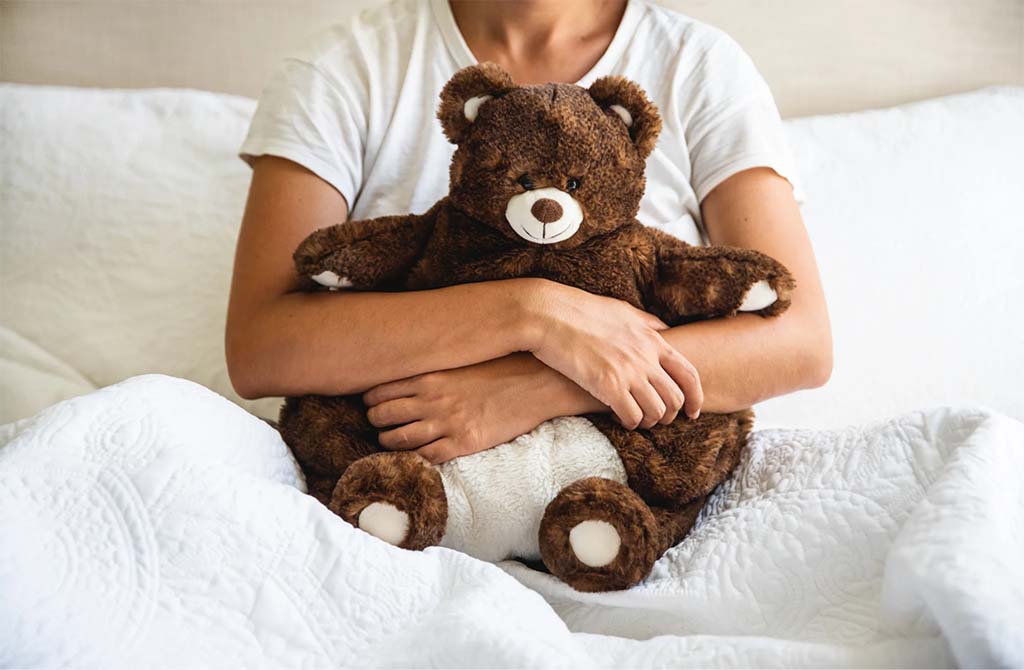
In clinical settings, most formal research and protocols still center on weighted blankets, vests, and lap pads rather than stuffed animals. But some occupational therapists and mental-health clinicians do use weighted toys as part of broader sensory and emotional-support plans, especially with children.
Weighted plush may appear in:
- Sensory corners or calm spaces in schools and clinics
- Therapy sessions as a grounding object during difficult conversations
- Home programs designed by occupational therapists for sensory needs
- Bedtime routines for kids with anxiety or ADHD, alongside clear sleep hygiene strategies
Professionals usually:
- Choose weight and duration case by case.
- Combine weighted tools with coping skills training (breathing, grounding, cognitive techniques).
- Review regularly whether the item is still appropriate and helpful.
Weighted plush is seen as a supportive add-on, not a stand-alone treatment.
Table – How professionals may use weighted plush
| Setting / Professional | How Weighted Plush Is Used | Main Goal |
|---|---|---|
| Occupational therapy (OT) | Short, supervised sessions in laps or arms | Sensory regulation, focus, calming |
| Child / adolescent therapy | Held during talk therapy or play-based sessions | Emotional safety, grounding, self-soothing |
| School support programs | In calm corners or break areas under guidelines | Helping students reset during stress or overload |
| Home programs (with OT input) | Part of structured routines at homework or bedtime | Support transitions, reduce anxiety, encourage self-regulation |
| Adult mental-health care | Optional comfort item in some settings | Grounding and emotional support alongside therapy |
If you or your brand plan to market weighted stuffed animals as “anxiety helpers,” it’s important to avoid medical claims and to encourage buyers to use them with professional guidance, especially for children and people with existing health conditions.
Conclusion
Weighted stuffed animals can offer a gentle, comforting form of deep pressure that helps some children, teens, and adults feel calmer and more grounded. The science behind deep-pressure stimulation is promising, especially for anxiety and sleep support, but most hard evidence still comes from weighted blankets and vests—not plush toys. Because of this, it’s best to treat weighted plush as a supportive comfort tool, not as a medical treatment, and to use them carefully, with attention to safety, age, health conditions, and individual response.
At Kinwin, my team and I work with global buyers to design weighted plush that balance safe construction, appropriate weight, soft materials, and strong seams, so they can fit into sensory-friendly product lines or wellness-focused collections. If you’re planning a new weighted plush range and want to combine cute design with thoughtful anxiety support, you’re very welcome to contact me at [email protected] or visit kinwintoys.com to explore how our factory can support your next project.