Skip to content
Stuffed animals are everywhere online and offline, but not every source is equal in quality, safety, or reliability. Some channels are perfect for one gift; others are better for large orders or custom plush lines under your own brand.
I’m Amanda from Kinwin, a plush toy factory in China. Every week I speak with brand owners, retailers, and parents who ask, “Where should I actually buy stuffed animals?” This guide gives you a clear, practical overview—so you can match the right source to your real needs, whether you want a single teddy or a full private-label collection.
What online platforms offer the broadest selection of stuffed animals?
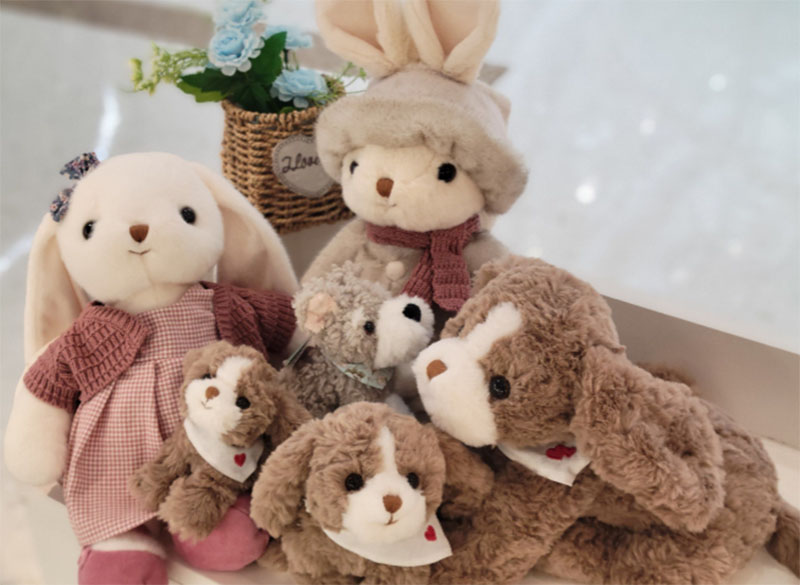
If you want maximum choice, online platforms are usually the first stop. They range from big marketplaces with millions of listings to curated platforms with more handmade or design-focused products. Each has different strengths for price, variety, and reliability.
From my experience talking with global buyers, I group the main platforms into three types: mass marketplaces, designer / handmade platforms, and wholesale platforms.
- Mass marketplaces (Amazon, Walmart, Target online, etc.)
- Huge selection, fast shipping, strong customer protection.
- Mix of big brands, small sellers, and generic imports.
- Designer / handmade platforms (Etsy and similar)
- Great for unique, artistic, or personalized plush.
- Often small-batch, with higher prices and longer lead times.
- Wholesale / B2B platforms (Alibaba, Global Sources, 1688, etc.)
- Best for business buyers who want bulk orders or custom designs.
- Requires more due diligence on factories and compliance.
Comparison of major online stuffed-animal platforms
| Platform Type | Typical Examples | Best For | Things to Watch Out For |
|---|---|---|---|
| Mass marketplaces | Amazon, Walmart, Target, regional platforms | Everyday gifts, fast delivery, wide price range | Quality varies; many generic brands |
| Designer / handmade | Etsy, local craft platforms | Unique designs, personalized gifts, small runs | Longer lead times, higher price per piece |
| Global wholesale (B2B) | Alibaba, Global Sources, 1688 | Bulk buying, OEM/ODM, private-label projects | Must check factory reliability and certifications |
| Niche toy shops online | Specialty toy store websites | Curated high-quality plush, educational focus | Smaller selection, sometimes higher pricing |
If you are a consumer or small shop, mass marketplaces and designer platforms are often enough. If you are a brand owner or retailer, wholesale and OEM platforms will give you more control over pricing, branding, and long-term supply.
How do official brand stores differ in quality and reliability?
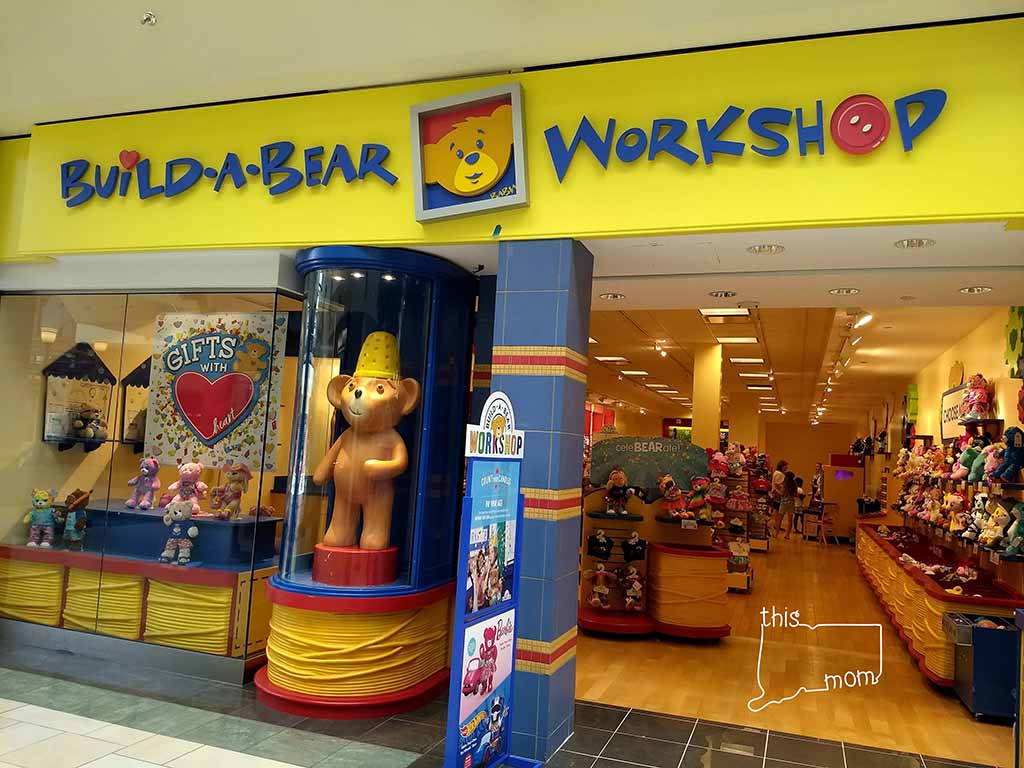
Official brand stores—both online and offline—usually offer the most predictable quality. These include:
- The brand’s own website
- Official flagship stores on marketplaces
- Licensed brand sections inside big retailers
When you buy from these channels, you get:
- Clear branding and packaging
- Better quality control
- Better safety and compliance for major markets
- Consistent designs and materials
However, official brand stores often mean higher prices and less freedom to customize. For many of my B2B clients, official stores are a great quality benchmark, even if they later move to OEM for better margins.
Official brand stores vs other channels
| Channel Type | Strengths | Limitations |
|---|---|---|
| Brand’s own website | Authentic products, full collections, new releases | Shipping may be limited by region, higher prices |
| Official flagship on marketplace | Trusted source, buyer protection, reviews | Sometimes mixed with other sellers, limited custom options |
| Licensed corners in big retail | In-person inspection, easy returns | Only selected SKUs, not full range |
| Unbranded marketplace listings | Lower prices, broad variety | Quality and safety can be inconsistent |
If you want true branded items (for example, a well-known character plush), official brand channels are usually the safest path to avoid counterfeits.
Which local retailers and specialty boutiques consistently carry stuffed toys?
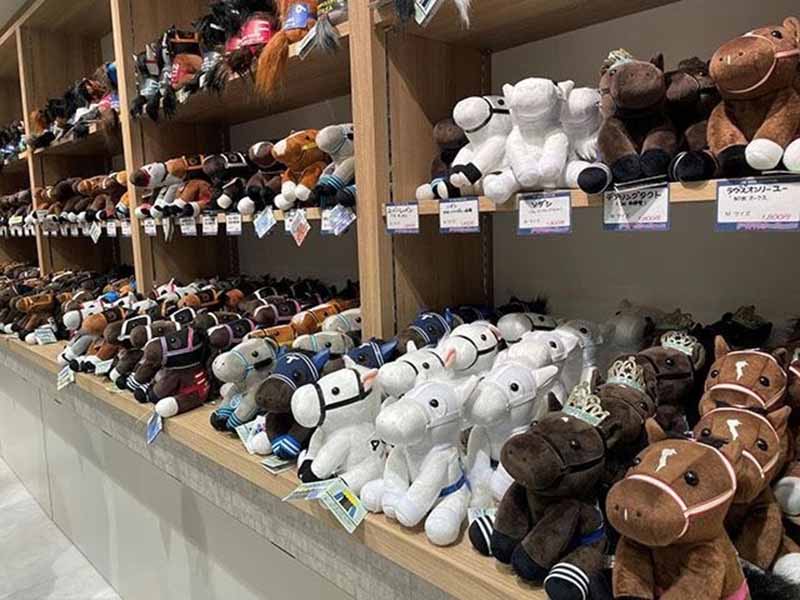
Offline stores are still very important when people want to see and touch stuffed animals before buying. For children, this often decides whether a toy feels “right” or not.
Different types of stores specialize in different segments of the plush market:
- Big-box and general retailers
- Supermarkets, hypermarkets, large chains.
- Good for mid-range plush, seasonal gifts, and licensed characters.
- Toy chains and children’s stores
- Dedicated toy retail brands and baby stores.
- Often carry better-known brands and safer products for younger kids.
- Bookstores and lifestyle shops
- Combine plush with stationery, books, and home items.
- Often focus on cute, theme-based, or “aesthetic” plush.
- Specialty boutiques and museum shops
- Carry design-forward, educational, or themed plush animals.
- Great for higher-end gifting and unique pieces.
Local retail and specialty outlets at a glance
| Store Type | What You Usually Find | Ideal Use Case |
|---|---|---|
| Big-box retailers | Mainstream teddy bears, character plush, seasonal | Affordable gifts, impulse buys, holiday promotions |
| Toy chains | Wide range by age, from baby-safe to collectibles | Birthday gifts, bigger selections for kids |
| Baby & children’s stores | Extra-soft, tested plush for infants and toddlers | Newborn gifts, baby comforters, safe first toys |
| Bookstores & lifestyle shops | Cute animals, brand mascots, themed collections | Gifts for teens, adults, décor plush |
| Museum / zoo / aquarium shops | Educational plush, realistic animals | Souvenirs, teaching tools, themed collections |
| Theme parks & attractions | Character mascots tied to local experiences | Strong emotional connection, higher price point |
If you run a local boutique or gift shop, you can also use these environments as inspiration, then work with a factory like ours to develop exclusive plush that match your store’s style and story.
How can international buyers source stuffed animals safely and efficiently?
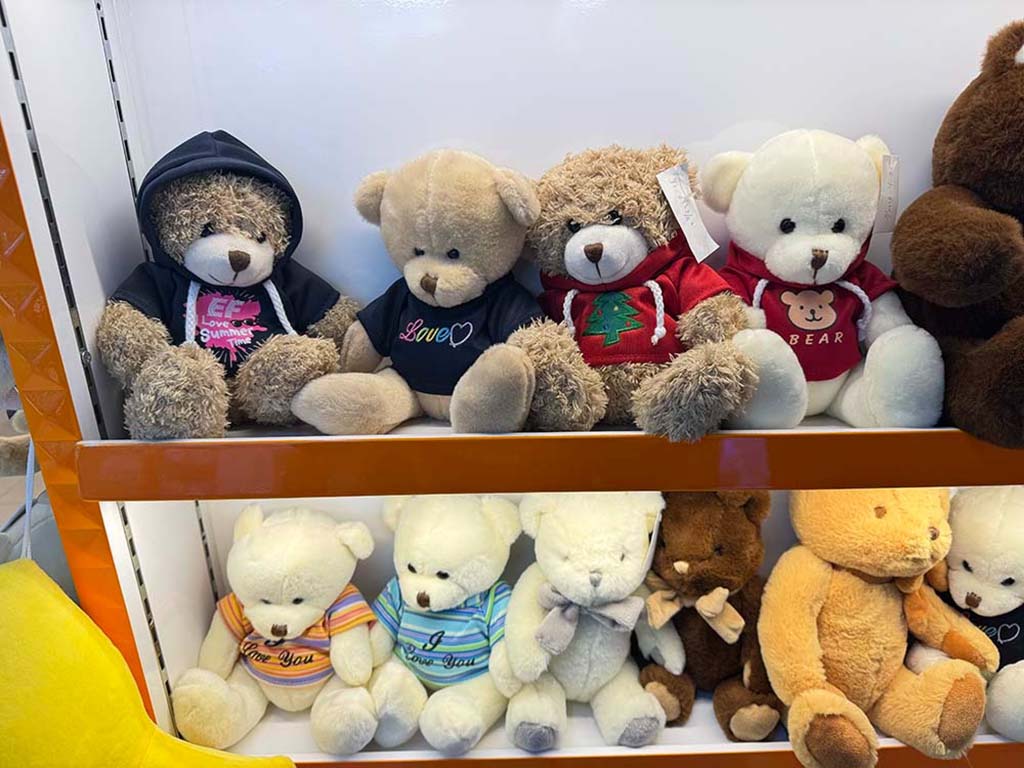
For international buyers—especially brand owners, retailers, and e-commerce sellers—finding stuffed animals is not only about “where” but also about how. You need reliable supply, compliant products, and smooth logistics.
Most of my customers use a mix of:
- Online B2B platforms (Alibaba, etc.) to discover suppliers.
- Trade shows to meet factories in person and see samples.
- Direct relationships with manufacturers for long-term cooperation.
Practical sourcing paths for international buyers
- Wholesale from importers/distributors in your own country
- Faster, easier, no direct customs handling.
- Less control over design and higher unit cost.
- Direct from overseas factory (OEM/ODM)
- Lower cost per piece at scale, custom designs, branding options.
- You handle (or manage through partner) logistics and compliance.
- Hybrid approach
- Test the market with imported ready-made designs.
- Then move to custom OEM once you know what sells.
Sourcing paths and when to use them
| Sourcing Path | Best For | Key Advantages | Main Considerations |
|---|---|---|---|
| Local distributor / importer | Small to mid-sized retailers and gift shops | Simple ordering, local support, fast delivery | Higher price, limited control over designs |
| B2B marketplace + factory | E-commerce brands, chain retailers, promotional companies | Access to many factories, negotiable terms | Need due diligence and clear specs |
| Direct OEM/ODM with factory (like Kinwin) | Brands wanting custom plush lines | Custom shapes, logos, fabrics, labeling | Requires planning for MOQ, lead time, compliance |
| Trade shows + follow-up orders | Growing brands and wholesalers | See samples in person, judge quality directly | Travel cost, schedule-dependent |
If you are sourcing internationally, always ask factories to confirm safety standards (such as EN71, ASTM F963, CPSIA) and to provide test reports where needed.
What indicators help distinguish trustworthy sellers from low-quality sources?
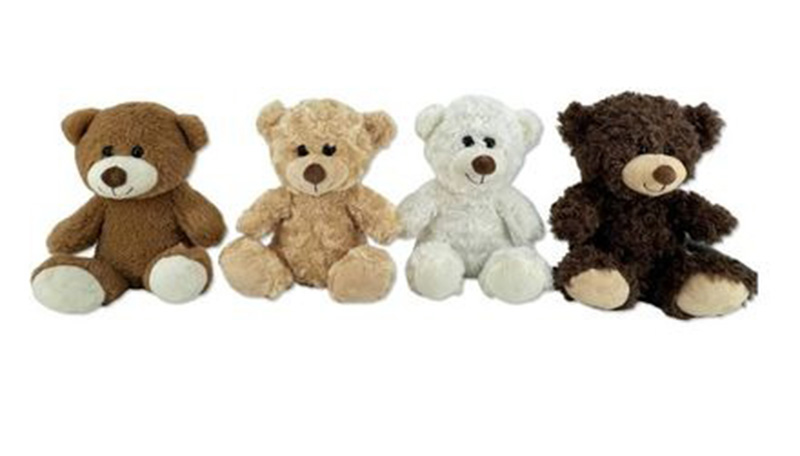
No matter where you look—online or offline—one of the biggest questions is:
“Can I trust this seller or factory?”
There is no single perfect test, but there are many small signs that together give a clear picture. I always suggest buyers look at both product information and seller behavior.
Positive signs of a trustworthy seller
- Clear product descriptions (materials, size, age recommendation).
- Realistic photos, not only heavily edited models.
- Consistent branding and store identity.
- Valid safety claims (not just buzzwords like “eco” with no details).
- Transparent policies on returns, shipping, and defects.
- Responsive, polite communication that answers specific questions.
Red flags and warning signs
- Very low prices that seem “too good to be true”.
- Vague or copy-paste descriptions with no real detail.
- No clear information about materials or safety.
- Only studio renderings, no real product photos or videos.
- Hostile or evasive answers when you ask about certifications.
Trust indicators and what they mean
| Indicator Type | Positive Signal | Red Flag to Watch For |
|---|---|---|
| Product description | Specific materials, size, care instructions | Vague, generic text with no technical details |
| Photos & media | Clear, consistent images from multiple angles | Unrealistic images or inconsistent product shots |
| Reviews & ratings | Many detailed reviews, not all perfect | Few reviews, all 5-stars with generic comments |
| Safety information | Mentions of EN71, ASTM, CPSIA with lab support | Only marketing phrases like “100% safe” |
| Brand presence | Website, social media, repeat customers | No trace of brand outside one listing |
| Communication | Answers that address your exact questions | Avoiding questions, pushing you to “just order” |
For B2B buyers, factory visits and third-party inspections add another safety layer, but even for small online orders, these basic checks help filter out risky sellers.
How do shipping, stock, and return policies impact purchasing decisions?
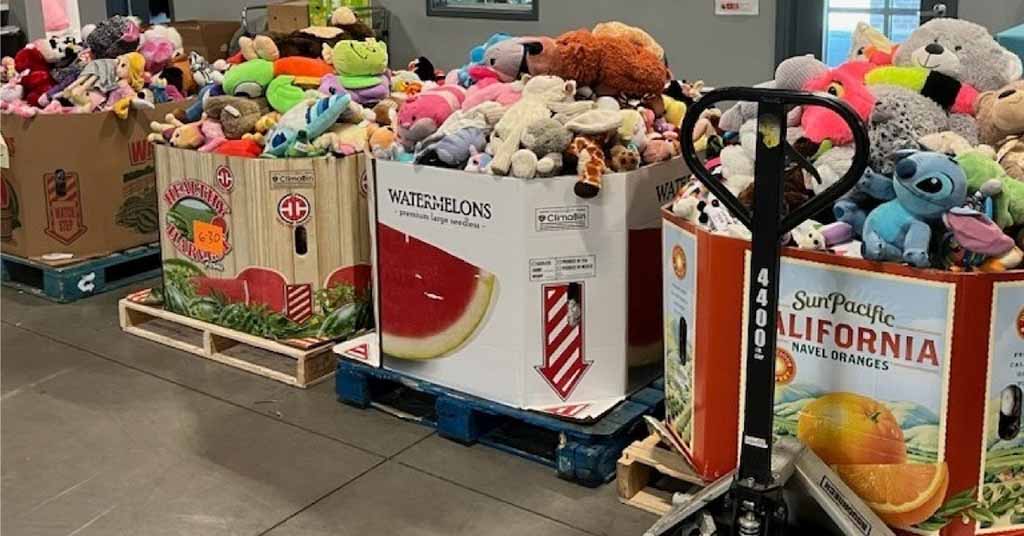
Even the cutest stuffed animal can cause problems if the shipping, stock, or return situation is not clear. These “back-end” details shape your real experience as a buyer and also your customers’ experience if you resell the products.
Shipping considerations
- Cost – hidden shipping fees can double a “cheap” price.
- Speed – standard, express, and economy options.
- Regions served – some sellers do not ship to certain countries.
- Tracking – reliable tracking numbers reduce stress for both you and your clients.
Stock status
- In-stock products ship quickly and are safer for urgent needs.
- Pre-order or made-to-order items take longer but may offer unique designs.
- For businesses, it’s important to know if the seller can repeat orders or if items are limited runs.
Return and refund policies
- Clear return window (for example, 14–30 days).
- Conditions for return (unused, with tags, original packaging).
- Who pays for return shipping.
- Warranty or damage-handling rules (for defective or wrong items).
How logistics policies affect your decision
| Policy Area | Key Questions to Ask | Why It Matters |
|---|---|---|
| Shipping cost & speed | How much is shipping? How long will it take? | Affects total cost and customer satisfaction |
| Stock availability | Is the item in stock? Can it be reordered? | Controls how reliably you can restock |
| Minimum order quantity | Is there a MOQ, especially for wholesale? | Impacts cash flow and inventory risk |
| Return policy | What is the return window and conditions? | Protects you from quality or mismatch issues |
| Damage handling | What happens if items arrive broken or defective? | Shows how the seller stands behind their product |
| Customs & duties | Who is responsible for import taxes? | Avoids surprises for international orders |
For brand owners and retailers, understanding these policies early helps you plan your pricing, launch timelines, and customer promises.
Conclusion
You can find stuffed animals in many places—mass marketplaces, designer platforms, official brand stores, local shops, wholesale distributors, and direct factories. The “best” source depends on what you need: a single gift, a themed collection for your store, or a custom plush line under your own brand. When you look carefully at product details, seller behavior, logistics, and safety information, you can choose channels that give you both cute products and real reliability.
At Kinwin, my team and I work mainly with B2B buyers—brand owners, retailers, e-commerce sellers, and promotional companies—who want consistent, safe, and customizable plush toys. If you’re exploring where to source stuffed animals for your next project, you’re very welcome to contact me at [email protected] or visit kinwintoys.com to see how our factory can support your growth with OEM & ODM plush solutions.