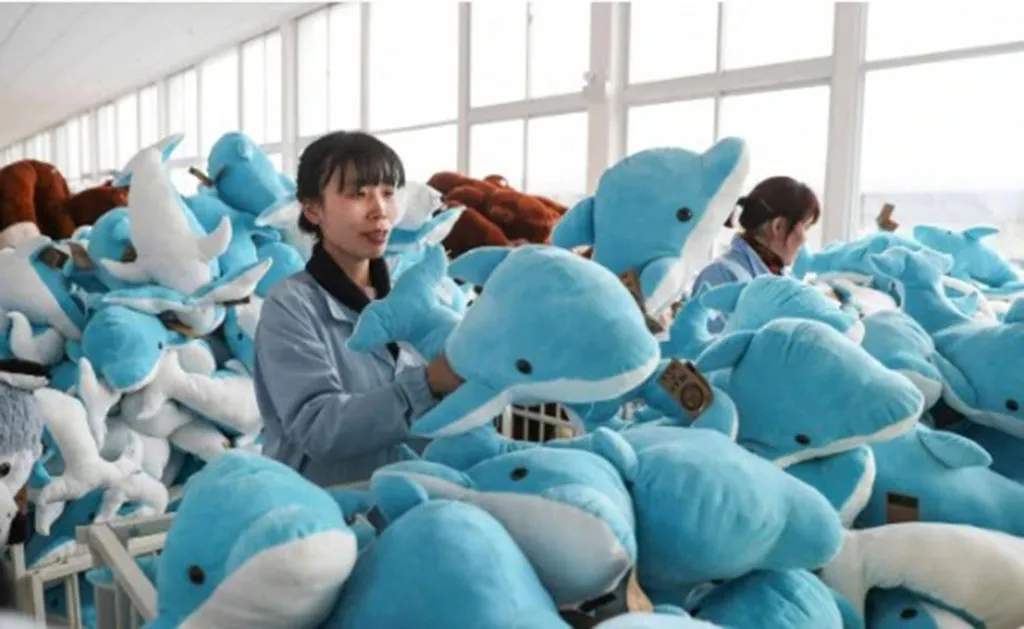
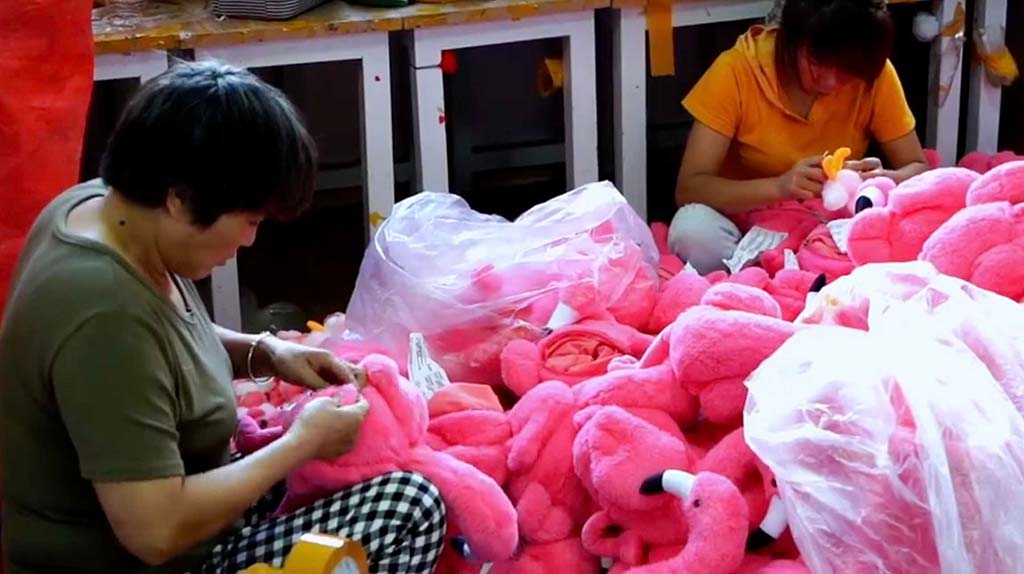
When people shop for “plush pillows,” they are really looking for one thing: deep, easy comfort. But behind that simple wish are many details—fabrics, fillings, sizes, and constructions that quietly decide whether a pillow feels luxurious for months or flat after one week.
Plush pillows are now used on beds, sofas, reading corners, and even in offices and travel spaces. As a manufacturer, you want products that feel soft on first touch and stay supportive, safe, and attractive over time. In this guide, I’ll walk you through how I think about plush pillows from a factory and sourcing point of view—so you can choose or develop designs that truly match your brand and your buyers’ needs.
What qualities define the best plush pillows today?
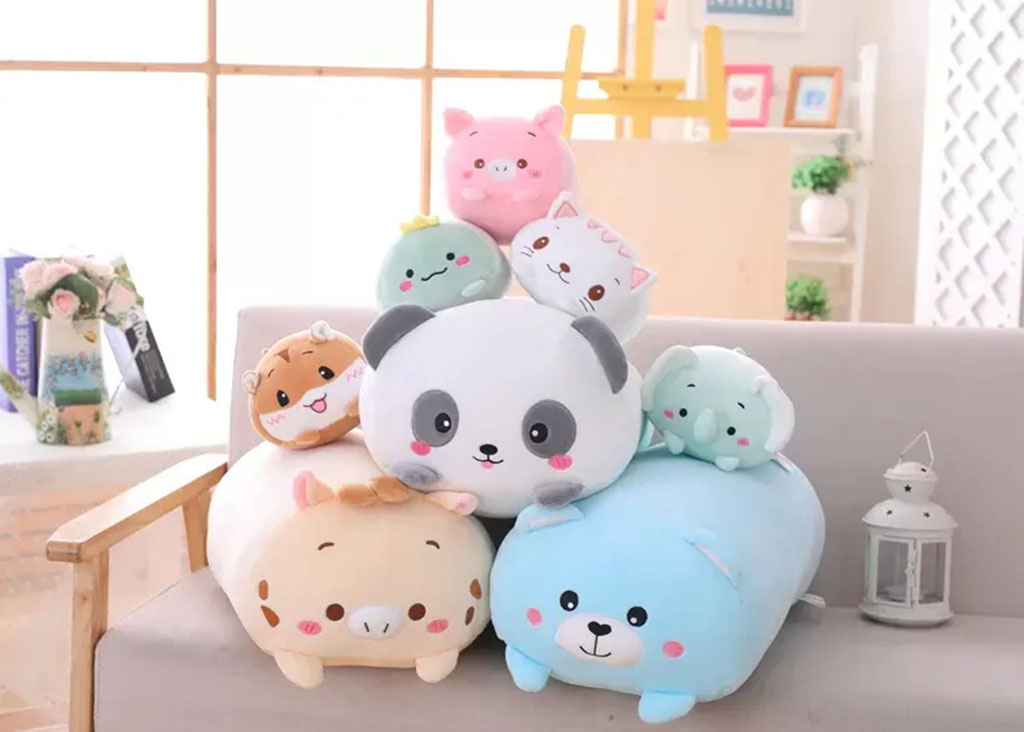
The “best” plush pillows are not simply the softest ones in the shop. For real use and real customers, they must balance softness, support, durability, hygiene, and aesthetics. A pillow that looks good on photos but flattens or clumps within weeks will quickly damage trust in your brand.
From my factory perspective, I look at plush pillows using five key lenses:
- Surface feel – first-touch softness, warmth, and pile texture.
- Inner support – how well the filling holds shape while staying comfortable.
- Shape stability – whether the pillow keeps its volume and form with daily use.
- Practical care – how easy it is to clean, dry, and maintain.
- Design fit – whether the look matches the target room, customer, or function.
For B2B buyers, the ideal plush pillow is one that feels “wow” out of the box but also passes the long-term test with fewer complaints and returns.
Key qualities buyers look for
| Quality Dimension | What End Users Feel or See | What Buyers Should Check |
|---|---|---|
| Surface softness | Immediate cozy touch, no scratchy feeling | Fabric type, pile height, and finishing |
| Support level | Neck, back, or cuddle support without pressure points | Filling type, density, and chamber design |
| Shape retention | Pillow doesn’t collapse or become lumpy quickly | Fiber quality, quilting, and internal structure |
| Aesthetic appeal | Color, style, and match with room or brand theme | Fabric color fastness, pattern consistency |
| Care & hygiene | Easy washing, fast drying, odor resistance | Wash labels, filling resilience to wash cycles |
| Overall safety | No harsh chemical smell, no loose fibers | Compliance with relevant standards and tests |
When you define these qualities clearly in your product brief, it becomes much easier for a factory like ours to engineer a plush pillow that meets both your comfort goals and your business targets.
How do fabrics and fillings influence softness, support, and durability?
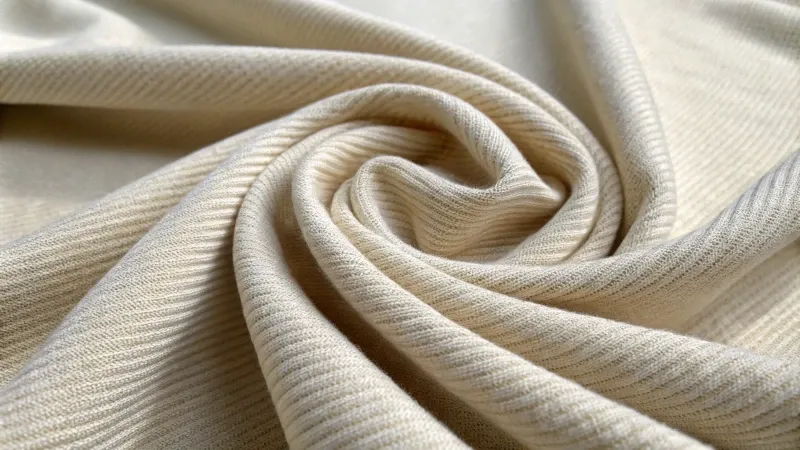
Plush pillows are the result of a surface system (fabric) plus an inner system (filling). Together, they decide how the pillow feels on day one and how it performs after months of use. If either layer is wrong, the whole product feels disappointing.
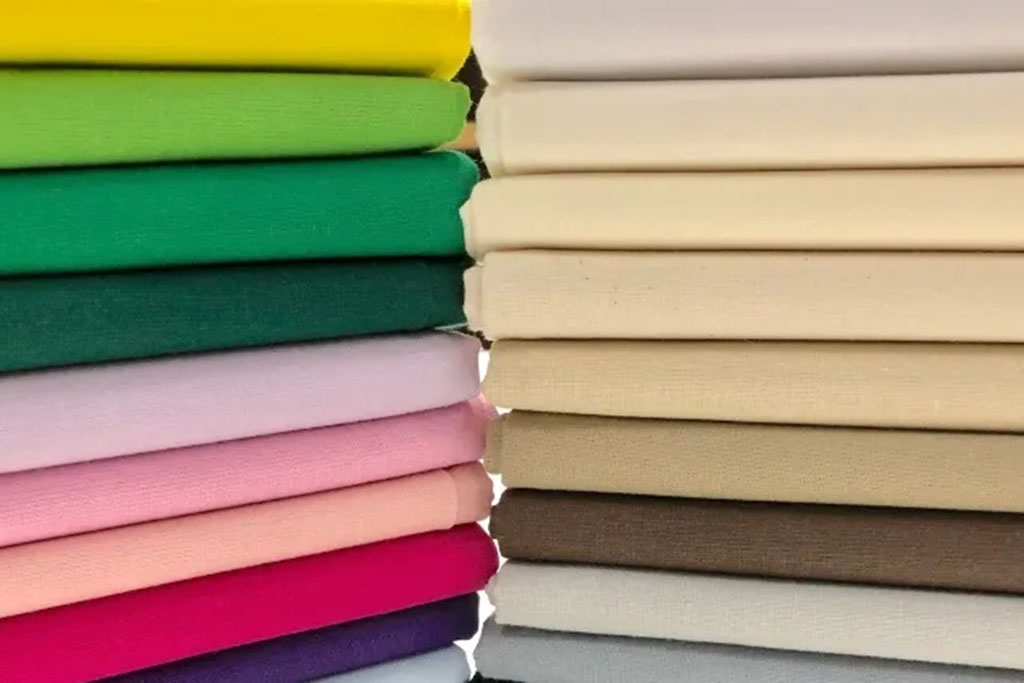
Fabrics for plush pillows
For modern plush pillows, common outer fabrics include:
- Minky / micro plush – ultra-soft, fine pile, often used for cozy or baby-friendly items.
- Short plush / velboa – shorter pile, cleaner look, easier to keep neat.
- Fleece – warm, soft, and often more budget friendly.
- Sherpa / boucle – textured, woolly look, very trendy for lifestyle décor.
Fabric choices influence:
- First touch softness
- Warmth and breathability
- Visual style (cute, minimalist, luxury, playful)
- Pilling behavior and long-term appearance
Fillings for plush pillows
Inner fillings handle the support part:
- Polyester fiberfill – standard for plush pillows, light, stable, and affordable.
- High-resilience polyester fibers – better bounce-back and less clumping.
- Shredded foam or memory foam – strong support, conforming feel, more “weighty.”
- Microbeads or beads – used in special therapeutic or weighted pillow designs.
Some designs mix materials to fine-tune feel: for example, fiberfill outer layer around a foam core.
Fabric and filling combinations at a glance
| Outer Fabric Type | Typical Feel & Look | Common Fillings Used | Resulting Experience |
|---|---|---|---|
| Minky / micro plush | Very soft, cozy, slightly shiny | Polyester fiberfill, HR fiber | Cloud-like cuddle pillows and kid-friendly |
| Short plush / velboa | Smooth, neat, more structured | Fiberfill, sometimes foam core | Cleaner shapes, good for decor & branding |
| Fleece | Warm, matte, everyday casual | Fiberfill | Casual home pillows and budget ranges |
| Sherpa / boucle | Textured, woolly, stylish | Fiberfill, foam inserts | Lifestyle pillows for sofas and reading nooks |
| Plush with knit back | Soft front, stable back | Fiberfill, foam | Balanced softness with good support |
| Plush covers + foam | Plush surface on removable cover over foam | Memory foam or molded foam core | Higher support with soft-touch outer surface |
When you define your fabric and filling combination carefully, you control how your plush pillow will live in the user’s daily life: is it a cuddle pillow, a decor accent, a sleep pillow, or a multi-function piece?
Which design features enhance comfort for different sleeping needs?
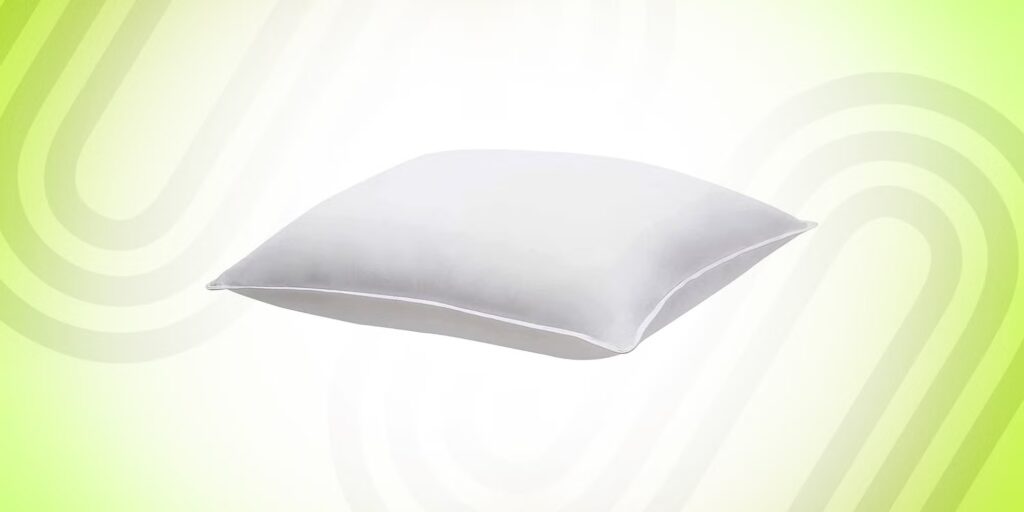
Not all plush pillows are used the same way. Some are for full-night sleeping, others for short naps, reading, watching TV, or pure decoration. Design features—shape, size, contour, and quilting—should match these use cases.
Matching design to function
For sleep-focused plush pillows, comfort comes from:
- Proper size for the user’s body and bed.
- Support distribution for neck and shoulders.
- Breathability so the pillow doesn’t feel too hot.
For cuddle or décor plush pillows, comfort is more about:
- Hug feel and handfeel.
- Visual presence on the bed or sofa.
- Ability to double as back or lap support.
Common plush pillow design types
- Standard rectangular sleep pillows – can use plush covers for cozy feel.
- Square decorative cushions – more about look, but still should feel nice.
- Bolster or cylindrical pillows – good for leg support or hugging.
- Shaped character or animal pillows – mix between plush toy and functional pillow.
- Ergonomic / contoured pillows – often foam core with plush cover.
Design features and sleeping needs
| Sleeping / Use Need | Helpful Design Features | Typical Plush Pillow Type |
|---|---|---|
| Full-night sleeping | Medium height, supportive core, breathable cover | Rectangular pillow with plush cover and structured filling |
| Side sleepers | Higher loft, more firm support on neck side | Ergonomic or thicker plush-covered pillow |
| Back sleepers | Medium loft, even support | Balanced plush pillow with uniform filling |
| Hugging / emotional comfort | Soft outer fabric, flexible structure, larger size | Plush body pillow, character-shaped cushion |
| Reading / TV support | Good back support, larger surface, stable shape | Large plush cushions or wedge-style designs |
| Kids’ beds and play areas | Cute shapes, safe fabrics, moderate softness | Character plush pillows, animal pillows |
When you design for a specific use case, you can fine-tune height, firmness, and shape instead of creating one generic “plush pillow” that tries to do everything and ends up doing nothing well.
How do leading brands innovate plush pillow construction and materials?
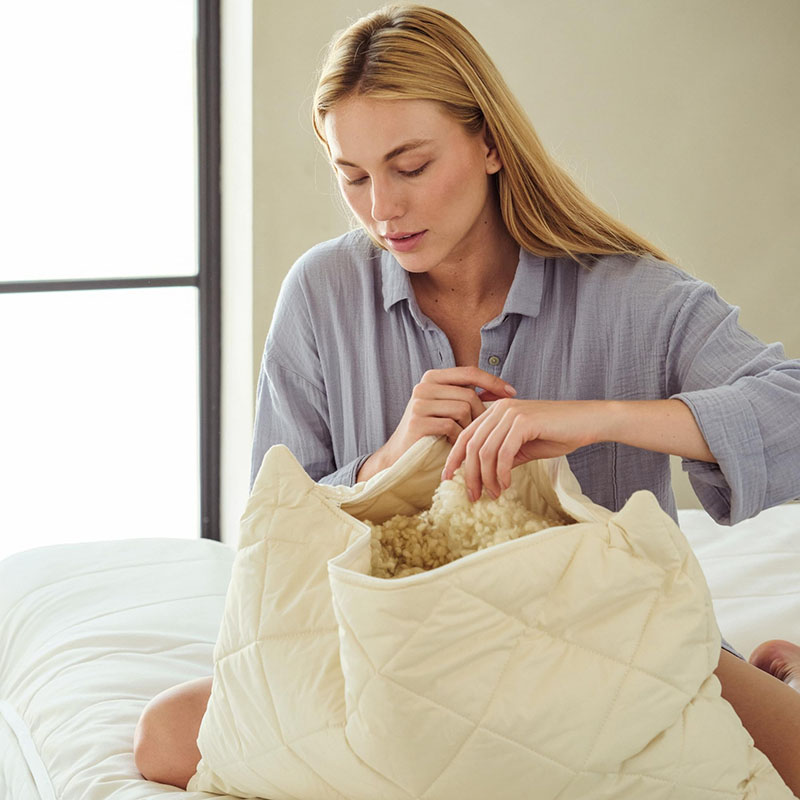
In today’s market, the best plush pillow brands don’t only compete on softness—they compete on technology, design stories, and user experience. From my conversations with buyers, I see innovation in three main directions: construction, materials, and multifunctional design.
Construction innovations
- Multi-chamber fillings – several internal sections so filling doesn’t move around and create flat spots.
- Removable, washable covers – plush outer cover with a zipper over an inner insert.
- Hybrid structures – foam core for support plus fiberfill outer layer for softness.
- Contoured and ergonomic shapes – for neck support, knee support, or spine alignment.
Material innovations
- Recycled plush fabrics and fillings – using rPET fiber for eco-positioned pillows.
- Cooling or moisture-wicking inner fabrics – for pillows used in warmer climates or for people who sleep hot.
- Antibacterial or hypoallergenic treatments – especially in pillows used close to the face and airway.
Multifunctional and lifestyle-friendly designs
- Plush pillows that fold or roll for travel usage.
- Pillows with pockets for phones or small items.
- Plush pillow + plush toy combinations for children or gift sets.
Innovation examples by focus area
| Innovation Focus | Typical Features | Benefit for End Users |
|---|---|---|
| Structural design | Multi-chamber, contoured, hybrid foam+fiber cores | More stable support and better posture |
| Washability | Removable plush covers, durable zippers | Easier hygiene, longer usable life |
| Eco & wellness | Recycled fibers, low-VOC materials, hypoallergenic treatments | Aligns with health and sustainability values |
| Lifestyle flexibility | Travel-friendly shapes, convertible designs | Pillows fit into busy, mobile lifestyles |
| Aesthetic innovation | Unique stitching, textures, character styling | Stronger shelf impact and social media appeal |
As a manufacturer, when we understand a brand’s innovation angle—eco, ergonomic, luxury, or playful—we can design the pillow’s internal construction and materials to support that story.
What safety and certification standards apply to premium plush pillows?
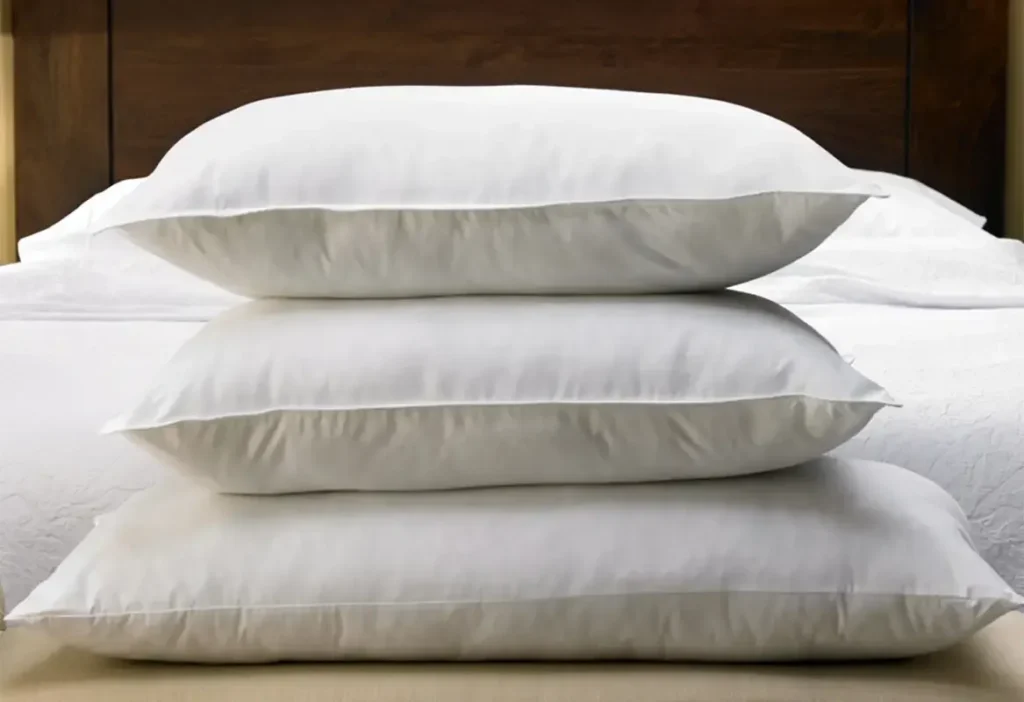
Plush pillows may look simple, but for serious brands, safety and compliance still matter a lot—especially for products used by children, allergy-sensitive users, or in markets with strict regulations.
The exact standards depend on target market and product type (toy-like, bedding, children’s product, or general home textile). But in general, we pay attention to:
- Chemical safety – limits on harmful substances in fabrics, fillings, prints, and accessories.
- Flammability requirements – especially for bedding or products sold in certain regions.
- Labeling obligations – fiber content, care instructions, origin, tracking labels, and warning labels where needed.
For plush pillows designed for children or shaped like animals, some buyers also request compliance with toy-related standards, even if the item is technically home décor. This adds an extra layer of safety testing and is often a good idea for brand protection.
Safety and certification focus points
| Safety Area | What to Consider | Application in Plush Pillows |
|---|---|---|
| Chemical content | Check for restricted substances in fabric and filling | Heavy metals, formaldehyde, azo dyes, etc. |
| Flammability | Local/regional fire-safety requirements | Especially for bedding and some décor products |
| Allergens & irritants | Hypoallergenic claims, skin-contact safety | Sensitive users, children, and face-contact items |
| Mechanical safety | Zippers, decorations, and seams must be secure | Children’s pillows, toy-like character designs |
| Labeling & traceability | Fiber content labels, care instructions, tracking | Needed for retailers and regulatory compliance |
| Testing & documentation | Lab test reports, certificates from suppliers | Required by many major retailers and platforms |
When you plan a plush pillow range, it’s smart to decide early whether you want to position them as general home goods, children’s items, or toy-like products, because that choice changes which standards you must meet.
How do pricing, sizing, and buyer preferences guide pillow selection?
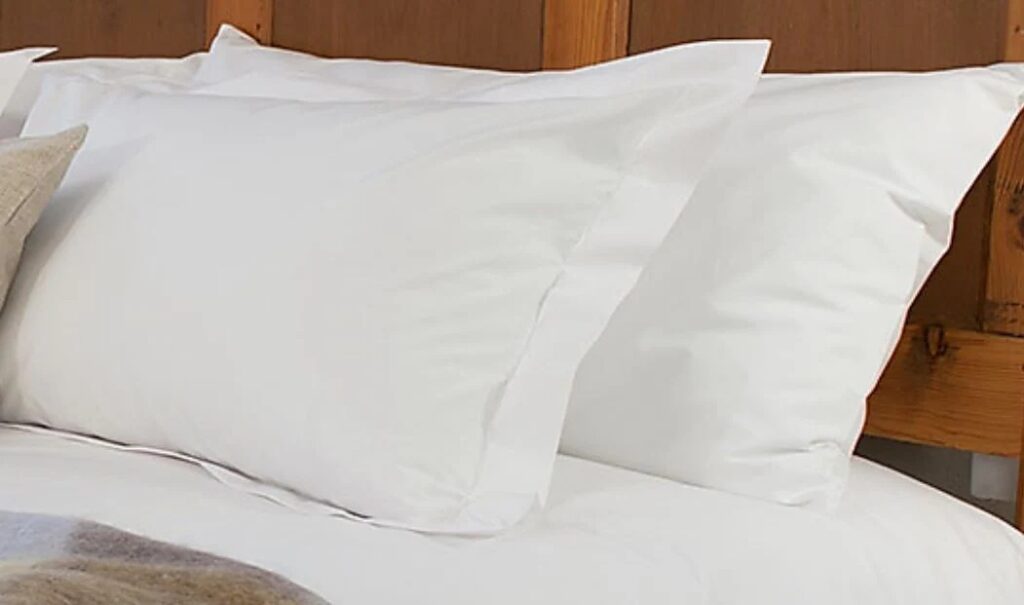
Even the most comfortable plush pillow must also make sense in terms of pricing, size assortment, and target buyer preferences. As a B2B buyer or brand owner, you need to design a product line that is attractive on the shelf and profitable in your business.
Pricing tiers and perceived value
End users often judge price by:
- First touch: “Does this feel premium or basic?”
- Visual impression: weight, volume, stitching, and design details.
- Brand image: packaging, photography, and reputation.
From the manufacturing side, price is mainly influenced by:
- Fabric type and quality level.
- Filling type and weight per pillow.
- Complexity of design (shapes, embroidery, quilting, zippers).
- Compliance costs and testing.
Sizing and assortment
A strong pillow line usually offers:
- Standard sizes (e.g., 45×45 cm cushions, standard bed pillow sizes).
- One or two special sizes (bolsters, long body pillows, travel pillows).
- A balance between universal sizes (easy to mix and match) and iconic designs (for brand identity).
Buyer preference patterns
Different customers look for different things:
- Online shoppers – respond strongly to visuals and descriptions of softness, support, and materials.
- Retail store shoppers – make decisions based on touch and immediate comfort.
- Parents – care about safety, washability, and durability.
- Young adults & lifestyle buyers – focus on style, color palette, and brand story.
Pricing, sizing, and preference matrix
| Buyer Type / Channel | Key Decision Drivers | Suggested Plush Pillow Strategy |
|---|---|---|
| Mass-market retail | Value for money, basic comfort, easy care | Simple designs, solid colors, reliable fabrics |
| Mid-range lifestyle brand | Style, softness, and story | Trend-informed fabrics (sherpa, minky), curated colors |
| Online-only brand | Strong visuals, clear specs, reviews | Distinct designs, good photography, detailed descriptions |
| Baby & kids segment | Safety, softness, washability | Extra-soft fabrics, simple shapes, test reports |
| Gift & seasonal lines | Appearance, theme, uniqueness | Character pillows, special shapes, seasonal palettes |
| Premium wellness / comfort | Support, materials, certifications | Hybrid constructions, eco filling, ergonomic forms |
When you align price, size, and design with who will buy and why, you create a plush pillow line that feels natural in your assortment and easier to promote across channels like Google, Amazon, or social media.
Conclusion
A good plush pillow is more than a soft cover and some filling. It is a carefully balanced product where fabric, filling, construction, safety, and price all work together to support real people in real homes—whether they are sleeping, reading, working, or just relaxing with a favorite cushion.
At Kinwin, my team and I usually focus on plush toys, but the same engineering and quality control we use for stuffed animals can also be applied to plush pillows and lifestyle products. If you’d like to develop your own plush pillow line—whether for kids, lifestyle décor, or gift sets—you’re very welcome to contact me at [email protected] or visit kinwintoys.com to explore how our factory can support your next project and help your brand stand out.