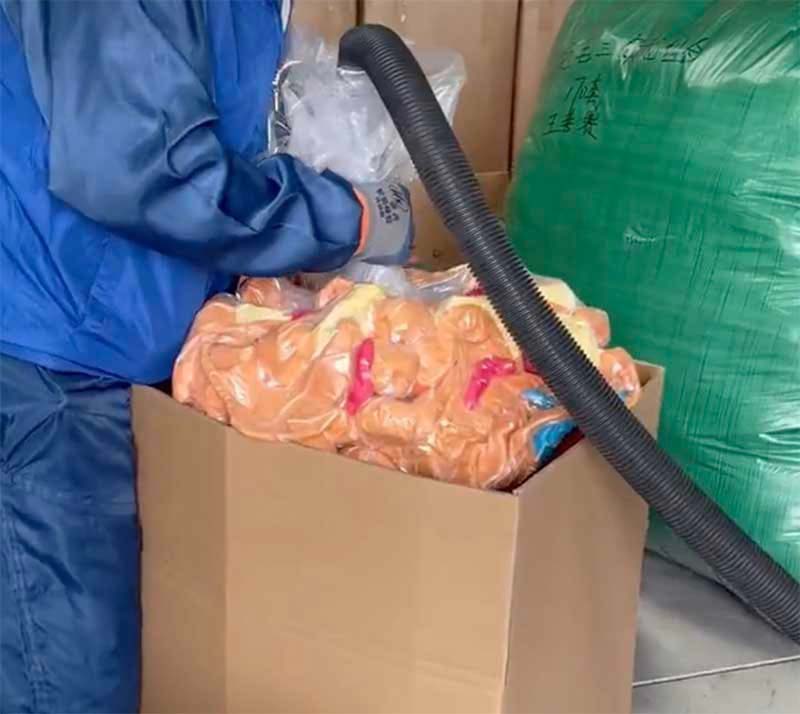
When people look for the best plush dog toys, they want more than something cute in a pet aisle. They want toys that can survive more than one play session, feel good in a dog’s mouth, and stay safe even under rough chewing. For brands and retailers, good plush dog toys also mean fewer complaints, fewer returns, and stronger trust from pet owners.
I’m Amanda from Kinwin, a plush toy factory in China. My daily work is normally focused on human plush toys, but many of my buyers also ask how to adapt plush construction for dog toys and pet lines. In this guide, I’ll share a clear framework you can use to plan, design, and source better plush dog toys for different breeds and chewing styles—using simple English and structured, practical advice.
What qualities define the best plush dog toys for various breeds?
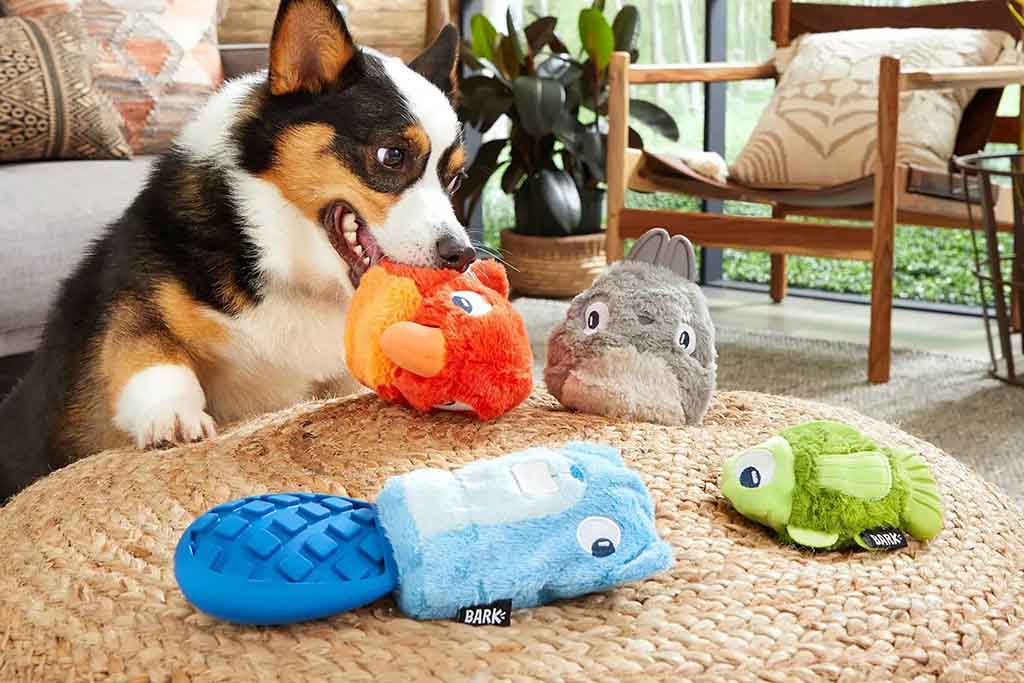
Not all dogs play the same way. A plush toy that works well for a gentle small breed can fail quickly in the mouth of an eager Labrador or terrier. When you design or buy plush dog toys, you need to think in terms of size, play style, and bite strength.
For most dogs, the best plush toys share these core qualities:
- Right size for the breed – big enough not to choke, small enough to carry.
- Appropriate toughness – standard for soft chewers, reinforced for moderate chewers, and “tough plush” for hard chewers.
- Comfortable mouthfeel – soft outer fabric, not sharp or stiff.
- Engaging design – squeakers, textures, or shapes that match natural play (shaking, tugging, carrying).
- Clean construction – no loose threads, easy to inspect for damage.
The “best” toy is therefore not one single design. It’s a match between toy and dog.
Table 1 – Matching plush dog toy qualities to different dogs
| Dog Type / Play Style | Toy Size & Shape | Durability Level Needed | Extra Features That Help |
|---|---|---|---|
| Small, gentle chewers | Small to medium plush, light weight | Standard reinforced seams | Soft squeakers, easy-to-carry shapes |
| Medium family dogs | Medium plush with stronger construction | Medium-tough stitching, layered fabrics | Multiple squeakers, different textures |
| Large soft chewers | Larger plush for safe grip | Reinforced seams, thicker fabric | Longer shapes for shaking and tugging |
| Power chewers | “Tough plush” with heavy reinforcement | Very strong seams, layered and backed fabric | Minimal extra parts; compact, sturdy shapes |
| Senior dogs | Soft, lightweight plush | Moderate durability, gentle stuffing | Softer squeakers or crinkle for sensory play |
| Puppies | Smaller size but tough seams | Resistant seams, no small detachable parts | Different textures, mild squeaks |
If you sell across many breeds, you can build a tiered range: softer plush for gentle chewers and “tough plush” versions for more intense players.
How do materials influence durability, softness, and chew resistance?
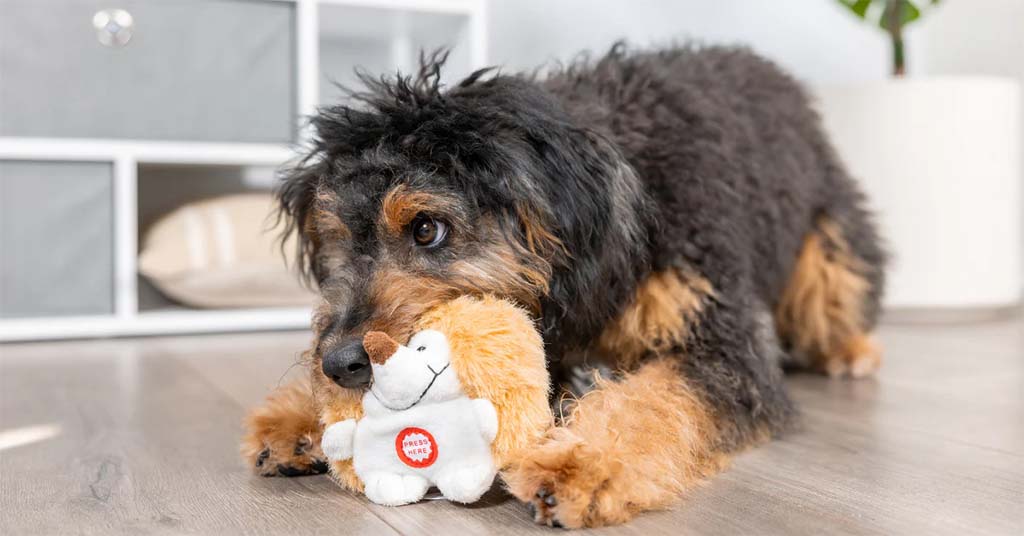
The choice of outer fabric and inner filling has a huge impact on how long a plush dog toy lasts. Dog teeth are stronger and sharper than children’s hands, so standard toy fabrics often need to be upgraded or layered.
Outer fabrics
For plush dog toys, I prefer:
- Short pile plush or velboa – smoother surface, less easy to grab and tear.
- Heavyweight woven fabrics (canvas, nylon blends) in internal layers – to add tear resistance.
- Reinforced knit or soft yet dense textiles for “tough plush” styles.
Fluffy long-pile faux fur looks cute but can be pulled out easily by heavy chewers, so it is better for light chewers or novelty toys.
Inner fillings
Inside the toy, you can combine:
- Polyester fiberfill – for softness and shape.
- Squeaker units – should be durable and well-cased.
- Crinkle material – safe crinkle films placed inside fabric pockets.
- Minimal or no loose pellets – to avoid choking hazard if the toy tears.
Using very cheap filling can make the toy feel flat and lifeless quickly. Better-quality fiberfill with the correct density gives both softness and resilience.
Table 2 – Material choices and their impact on plush dog toys
| Component | Better Material Choices | Effect on Durability & Feel |
|---|---|---|
| Outer fabric | Dense short plush, velboa, backed fabric | More resistant to tearing than thin fleece |
| Internal lining | Strong woven fabric (canvas, polyester, nylon) | Acts as a “second skin” when outer layer is damaged |
| Stuffing | Quality polyester fiberfill | Maintains shape better, less clumping |
| Squeaker housing | Robust plastic squeakers, sewn into inner pockets | Squeaks longer, stays in place |
| Crinkle material | Pet-safe crinkle film, fully enclosed | Added sound without loose pieces |
| Decorative elements | Embroidered features instead of glued items | Fewer detachable hazards |
For dogs, material failure is normal over time. The goal is to use materials that give good play value and slower wear, rather than toys that fall apart in minutes.
Which construction methods help plush toys withstand heavy chewing?
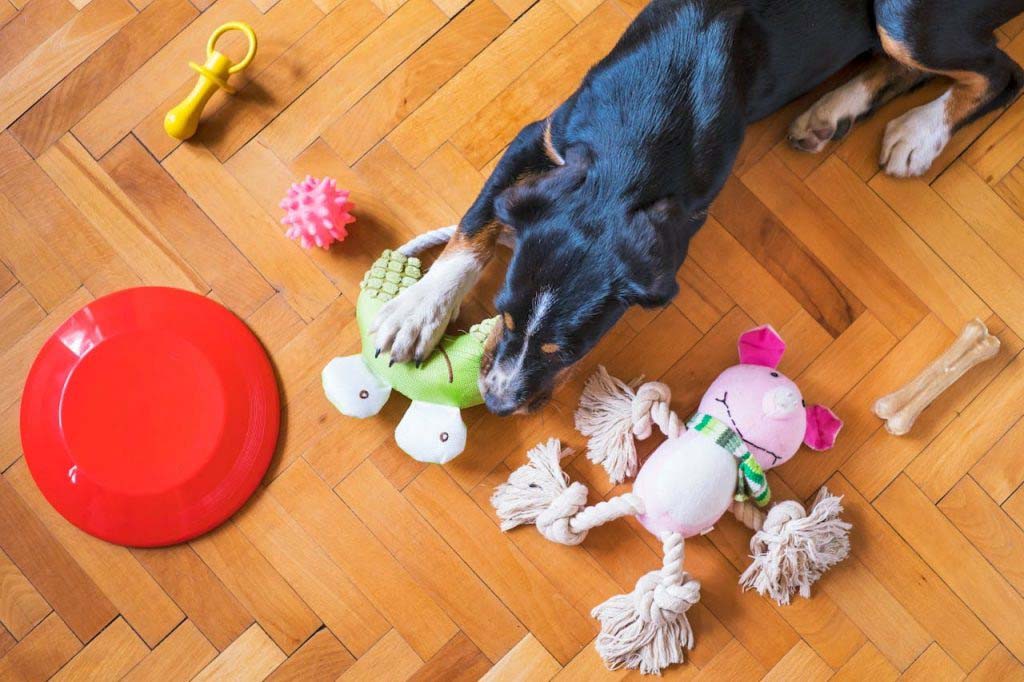
Beyond materials, how the toy is built decides its real toughness. You can use the same fabric and stuffing in two different constructions and get very different lifespans.
Key construction methods for stronger plush dog toys
- Multiple stitching lines
- Use double or triple stitching in key seams (neck, belly, limbs, and edges).
- Use tighter stitch length so teeth cannot easily pull threads apart.
- Seam placement strategy
- Avoid long, unprotected seams across areas that dogs naturally grab.
- Design seams where they are less exposed to direct chewing or tugging.
- Internal reinforcement
- Add backing fabric behind the plush outer layer.
- Use fabric “bones” inside long limbs or necks to prevent overstretching.
- Protected squeakers
- Sew squeakers into inner pouches instead of loose inside stuffing.
- Place them deep enough that dogs must work harder to reach them.
- Simple, compact shapes for power chewers
- Less complex silhouettes, fewer thin parts that can be ripped off.
Table 3 – Construction strategies for more durable plush dog toys
| Construction Aspect | Stronger Method | Benefit for Heavy Chewers |
|---|---|---|
| Seam strength | Double/triple stitching with shorter stitch length | Higher resistance to tearing under bite pressure |
| Seam design | Seams placed away from main bite zones | Reduces direct stress on weak areas |
| Internal reinforcement | Woven backing, inner belt or “skeleton” strips | Maintains shape and reduces limb failure |
| Squeaker integration | Squeakers in separate sewn pockets | Harder to access and destroy quickly |
| Part simplification | Thicker limbs, fewer small attachments | Less chance for piece-by-piece destruction |
| Edge finishing | Bound edges or turned seams instead of raw edges | Cleaner finish and more tear resistance |
For very aggressive chewers, it’s still wise to label toys as “not indestructible” and encourage owners to supervise play, no matter how strong the construction.
How do design features—squeakers, textures, shapes—enhance engagement?
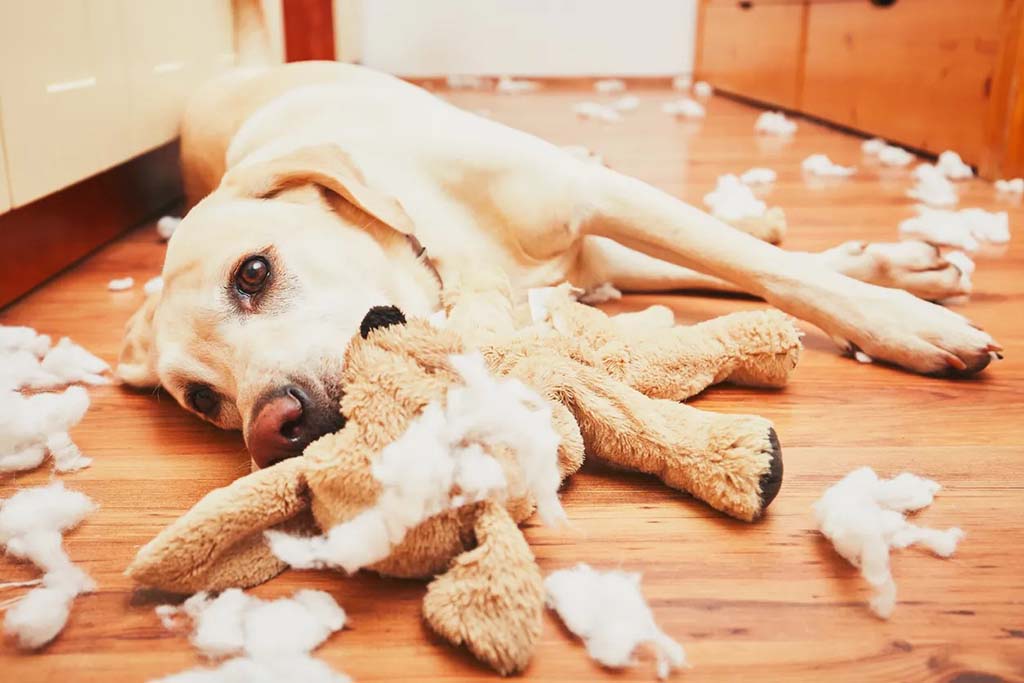
A plush dog toy should not only survive; it should also invite play. Design features can make a big difference in how long a dog stays interested and how owners perceive value.
Squeakers and sounds
- Single squeaker in the center: simple and effective for many dogs.
- Multiple squeakers: small squeakers in limbs or segments to keep interest even when one is damaged.
- Crinkle zones: ears, wings, or inner panels that make a rustling sound.
All sound components must be fully enclosed inside durable fabric pockets.
Textures and bite zones
- Different textures (smooth plush, ridged stitching, flat panels) give dogs varied mouthfeel.
- Extra “bite spots” like knotted fabric, rope tails, or reinforced ears can guide where dogs chew.
Shapes and functions
You can design plush dog toys to support different natural behaviors:
- Long, floppy shapes – perfect for shaking and tugging.
- Round or bone shapes – easy to carry and chew.
- Flat “un-stuffed” bodies – less filling, more floppiness, good for hard chewers.
- Hybrid plush + rope toys – soft body with rope arms or legs for tug play.
Table 4 – Engagement features and how they influence play
| Design Feature | Example Implementation | Effect on Dog Engagement |
|---|---|---|
| Squeakers | One large squeaker or several small ones | Encourages biting, chewing, and interactive play |
| Crinkle material | Crinkle in ears, wings, or body panels | Adds surprise sounds and sensory interest |
| Texture contrasts | Mix of plush, ridges, and flat zones | Keeps toy interesting over longer periods |
| Long shapes | Plush “snakes”, long animals, or tug-friendly forms | Good for shaking, tugging, and interactive games |
| Flat, low-stuff styles | Minimal stuffing, reinforced body | Less mess if torn, good for strong chewers |
| Rope integration | Rope arms or loops combined with plush | Supports tug-of-war and gives extra chewing textures |
Well-thought-out design can help your plush dog toys feel like “favorites”, not just random playthings.
What safety standards apply to high-quality plush dog toys?
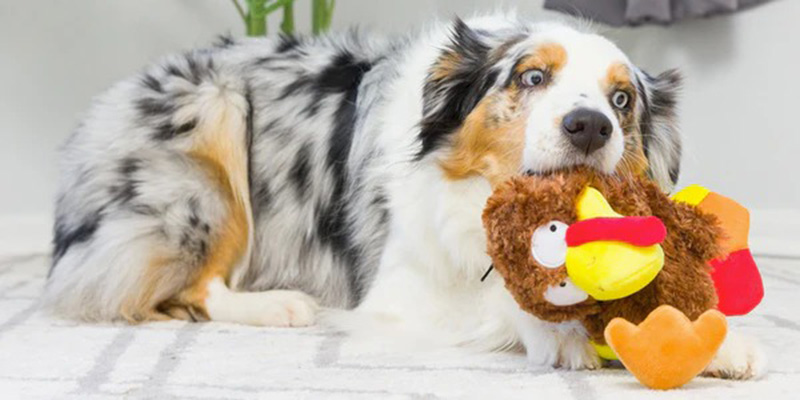
Pet toys are not always covered by the exact same standards as children’s toys, and regulations vary by country. However, responsible brands treat plush dog toys with the same seriousness they would for children, especially when it comes to material safety and durability.
Key safety aspects to consider:
- Non-toxic materials
- Fabrics and prints should be free from harmful chemicals and heavy metals.
- Dyes should not easily bleed in saliva or washing.
- Physical safety
- Embroidered eyes or securely stitched features, especially for strong chewers.
- No small detachable parts that can become choking hazards.
- Durability expectations
- Clear communication: plush dog toys are for supervised play, especially with powerful chewers.
- Regular product testing under bite and pull forces, using internal standards or external labs.
- Hygiene and cleaning
- Toys should be washable or at least surface-cleanable without falling apart.
Table 5 – Safety-focused design for plush dog toys
| Safety Area | Good Practice | Benefit for Dogs and Owners |
|---|---|---|
| Chemical safety | Use materials that meet relevant chemical limits | Reduces risk if dog chews and swallows fibers |
| Small parts | Avoid buttons, loose plastic trims, weak attachments | Lowers choking risk during hard play |
| Squeaker safety | Firmly sewn squeakers inside tough pockets | Less chance of dog removing and swallowing |
| Seam strength | Double-stitched seams in main stress zones | Delays toy failure, gives owner time to replace |
| Cleaning ability | Machine or hand wash without major damage | Helps owners maintain hygiene |
| Labeling & guidance | Clear size/chew recommendations and supervision note | Aligns owner expectations with product reality |
While there is no single global “pet toy standard” equal to EN71 or ASTM for children, many serious brands still test their dog toys at labs, especially for chemical safety and mechanical durability.
How do top pet brands differentiate their plush dog toy lines?
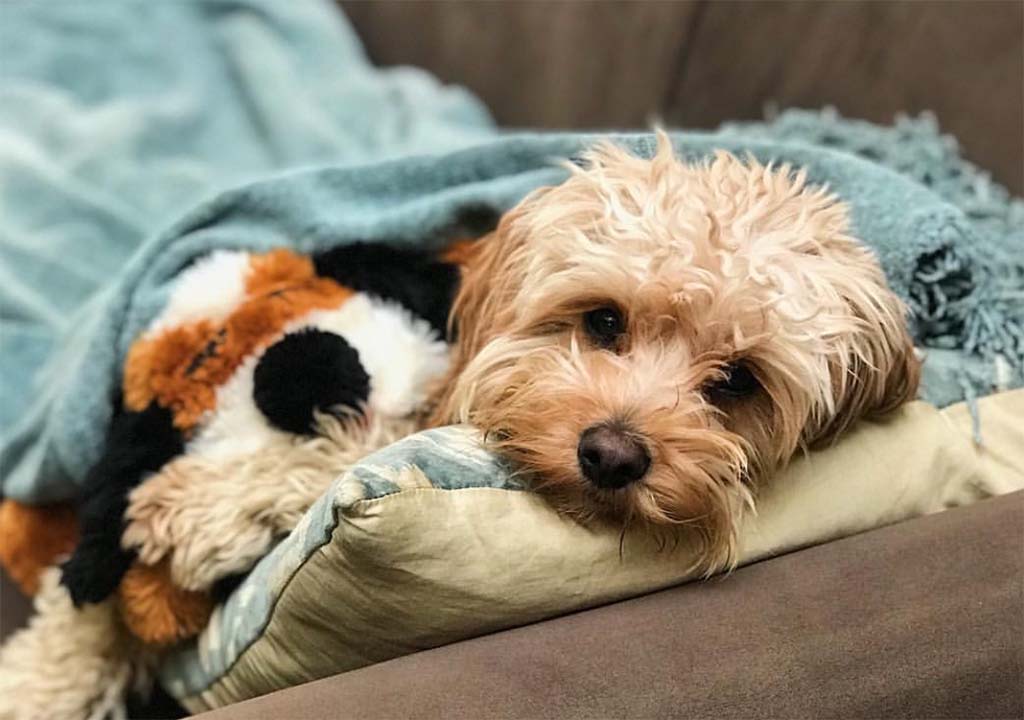
The pet market is crowded. Top brands stand out not only by making toys that last, but also by presenting clear stories, categories, and design identities across their plush dog toy lines.
Common differentiation strategies
- Chew-level segments
- Separate collections for “gentle,” “moderate,” and “power” chewers.
- Helps owners choose quickly and reduces mismatch complaints.
- Size-based ranges
- Same character in small, medium, and large versions.
- Makes it easy for multi-dog households and retailers.
- Themed collections
- Seasonal themes: Halloween, Christmas, summer, etc.
- Food, sports, or lifestyle themes for social-media-friendly designs.
- Character branding
- Recognizable characters, animals, or mascots.
- Consistent facial style and color language across the line.
- Sustainability stories
- Recycled fabrics or fillings for eco-focused lines.
- Packaging that highlights reduced plastic or carbon footprint.
- Multi-function designs
- Toys that mix plush, rope, and squeaker in one product.
- Toys that can also be used for training or comfort.
Table 6 – How brands build strong plush dog toy portfolios
| Differentiation Area | Implementation Example | Impact on Market Position |
|---|---|---|
| Chew-level tiers | “Soft Play”, “Active Play”, “Tough Play” lines | Matches products to dog behavior, reduces returns |
| Size tiers | One design offered in S/M/L | Helps retailers cover many breeds easily |
| Theme & storytelling | Seasonal characters, food or hobby-themed toys | Strong merchandising and photo-ready products |
| Design identity | Unique eye style, color choices, silhouettes | Toys become recognizable as one brand family |
| Materials & eco story | Recycled plush & stuffing, eco-labeled packaging | Attracts environmentally conscious pet owners |
| Feature sets | Mix of squeakers, crinkle, and ropes by segment | Offers variety while keeping clear structure |
If you are building your own plush dog toy brand or line, thinking in these structural terms helps you create a range, not just a box of unrelated toys.
Conclusion
The best plush dog toys bring together size, material, construction, and design features that match real dogs and real owners—not just what looks cute on a screen. When you choose stronger fabrics, smart reinforcement, engaging squeakers and textures, and clear safety thinking, you give dogs more satisfying play and give owners more confidence in your brand.
At Kinwin, my team and I mostly make plush toys for people, but the same engineering and quality control can be adapted to pet plush projects—from standard “soft play” toys to more reinforced “tough plush” lines. If you are a brand, retailer, or pet product company exploring your own plush dog toy collection, you are very welcome to contact me at [email protected] or visit kinwintoys.com to discuss how our OEM & ODM services can support your next launch.