Branding a plush toy is not just about adding a logo or decorative detail—it is about choosing the right technique that enhances durability, aesthetics, safety, and long-term brand value. Whether you are designing promotional plush toys, retail character products, or licensed merchandise, the decision between embroidery and printing affects how your brand is perceived and how the product performs over time.
This guide explains how embroidery and printing compare in real plush toy production, helping you select the branding method that best fits your design, budget, and quality expectations.
What Factors Determine Whether Embroidery or Printing Is More Suitable for Plush Branding?
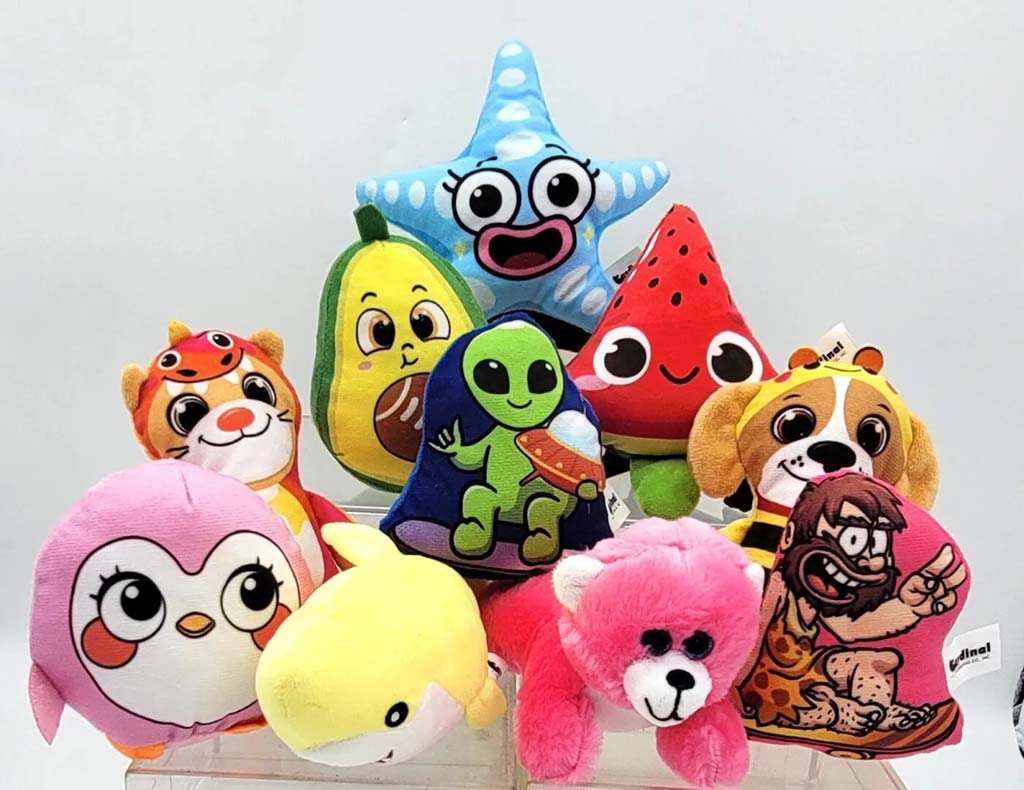
Choosing between embroidery and printing starts with understanding your brand’s priorities—durability, softness, detail level, or visual style. Embroidery offers a premium, textured, long-lasting look, while printing provides flexibility for gradients, logos, and fine artwork. The nature of the plush toy, the target age group, and the selling channel all play a role.
For example, baby products often favor embroidery because it eliminates small detachable parts and passes safety regulations more easily. Promotional mascots with complex graphics may benefit from printing, especially when replicating brand-specific gradients or multi-color logos. Plush toys with long-pile fur might not hold embroidery well, while velboa or minky fabrics can accommodate both techniques depending on the design.
Understanding the product’s purpose—retail, collectible, gift, or promotional—is key to choosing the most suitable method.
| Decision Factor | Preferred Method | Reason |
|---|---|---|
| High durability | Embroidery | Withstands wear |
| Detailed graphics | Printing | Supports gradients & fine detail |
| Baby toys | Embroidery | Safer, no peeling |
| Complex logos | Printing | Clear reproduction |
| Premium finish | Embroidery | Textured look |
| Cost-sensitive projects | Printing | Lower cost |
How Do Embroidery Techniques Impact Durability, Texture, and Premium Appearance?
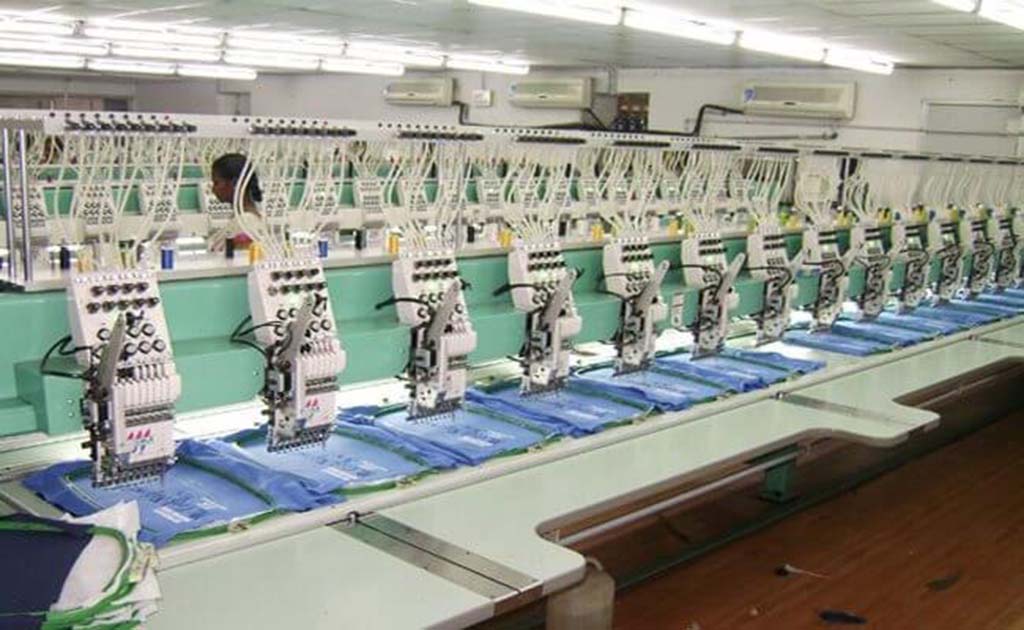
Embroidery is widely valued in the plush industry because it delivers exceptional durability and a premium handmade appearance. Stitched details do not fade, peel, or wash off, making embroidery ideal for logos, eyes, noses, and features that require longevity. It also withstands pulling and friction better than printing, especially on toys intended for children.
Embroidery adds texture and depth, creating a tactile element that enhances perceived quality. Thick-pile fabrics like faux fur may require reinforced embroidery bases, but short-pile fabrics like velboa or minky showcase embroidery crisply and cleanly.
The stitching density, thread type, and embroidery machine quality influence the final appearance. High-density embroidery provides rich color, crisp edges, and long-term shape stability. Multi-layer embroidery or gradient-style stitching can increase both visual impact and manufacturing cost.
| Embroidery Feature | Benefit | Production Consideration |
|---|---|---|
| High stitch density | Premium appearance | Longer machine time |
| Reinforced stitching | Safe for kids | Higher labor requirement |
| Textured surface | Luxurious feel | Not ideal for very small detail |
| Colorfast thread | Long-lasting color | Must meet compliance |
| Hard-edge definition | Clean logos & eyes | Works best on short-pile fabric |
How Do Printing Methods Affect Color Accuracy, Detail Sharpness, and Design Flexibility?
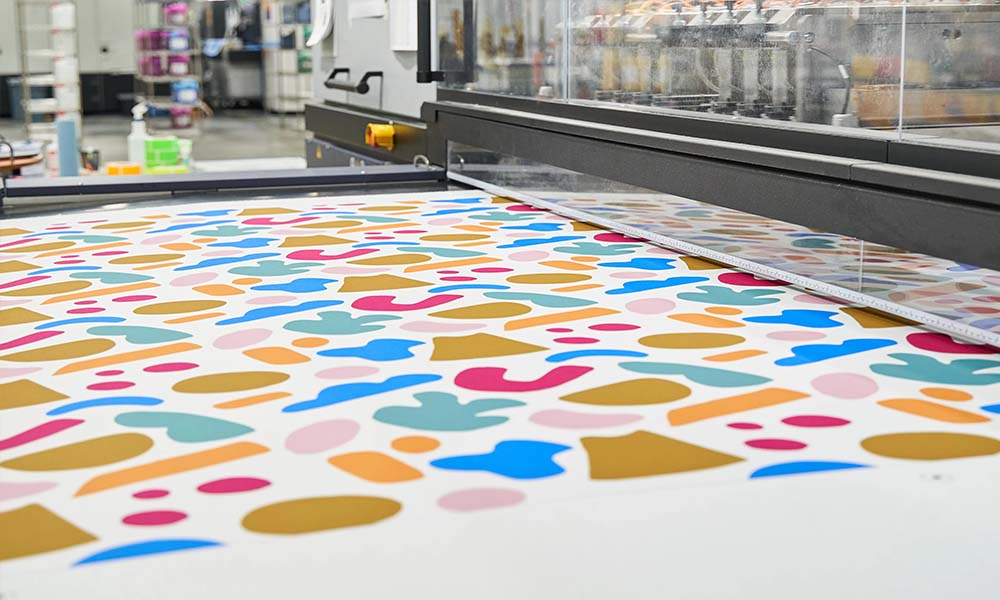
Printing opens the door to visual possibilities that embroidery cannot achieve. Techniques such as heat-transfer printing, sublimation printing, and direct-to-fabric printing allow for precise logo reproduction, detailed illustrations, shading, and gradients. This makes printing ideal for branding that requires photographic clarity or vibrant, multi-color designs.
Printed elements maintain a soft hand-feel because they do not add thickness or stiffness. This is especially important for plush toys with soft, flexible surfaces. With printing, you can also decorate larger surface areas at a lower cost compared with embroidery’s stitch-based limitations.
However, printing durability depends on the printing method and surface fabric. On minky or long-pile fabrics, printing may appear muted or distorted. On smooth fabrics like velboa or fleece, printing looks sharp and clean. For washing durability, high-quality pigments and proper curing are critical to prevent fading or peeling.
| Printing Type | Strengths | Limitations |
|---|---|---|
| Heat transfer | High detail, fast production | Can crack if low quality |
| Sublimation printing | Excellent color bonding | Requires polyester-rich fabric |
| Silk-screen | Strong color blocks | Limited fine detail |
| Direct-to-fabric | High flexibility | Slower for bulk production |
What Material and Surface Considerations Influence the Choice Between Embroidery and Printing?
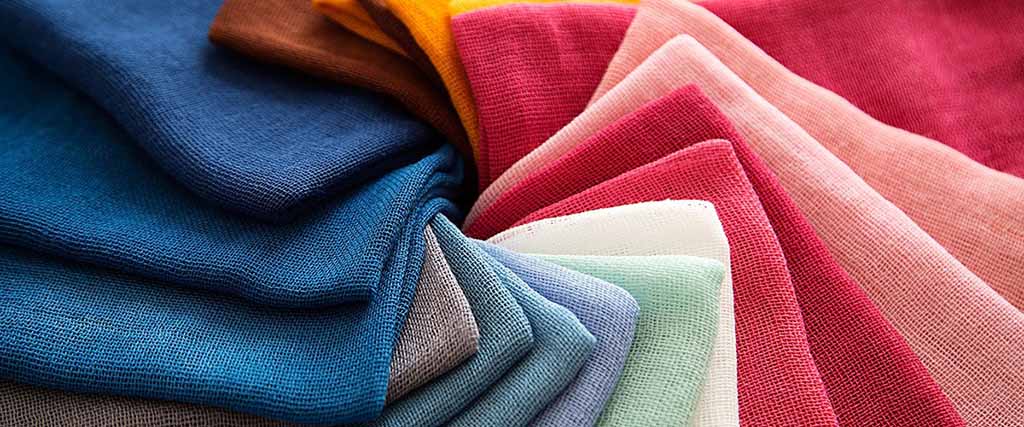
The fabric surface heavily influences branding results. Short-pile fabrics such as velboa, micro-minky, and fleece are ideal for both embroidery and printing. These surfaces provide a stable base that maintains shape and allows clear visibility for logos and facial features.
Long-pile faux fur, Sherpa, and textured fabrics limit the readability of both methods. Embroidery can sink into the pile, while printing may appear blurred. In such cases, factories may use shaved areas, applique patches, or low-pile inserts to maintain clarity.
Stretchy fabrics such as knit fleece or spandex blends may distort embroidery due to fabric movement, making printing a better choice.
| Fabric Type | Embroidery Suitability | Printing Suitability | Notes |
|---|---|---|---|
| Velboa | Excellent | Excellent | Most common plush fabric |
| Minky | Excellent | Good | Shorter pile works best |
| Long-pile fur | Poor | Poor | Use patches or trims |
| Fleece | Good | Excellent | Smooth & stable |
| Canvas / felt | Excellent | Good | Clear edges |
| Knits | Poor | Good | Avoid heavy embroidery |
How Do Cost, Lead Time, and Production Scalability Differ Between Both Methods?
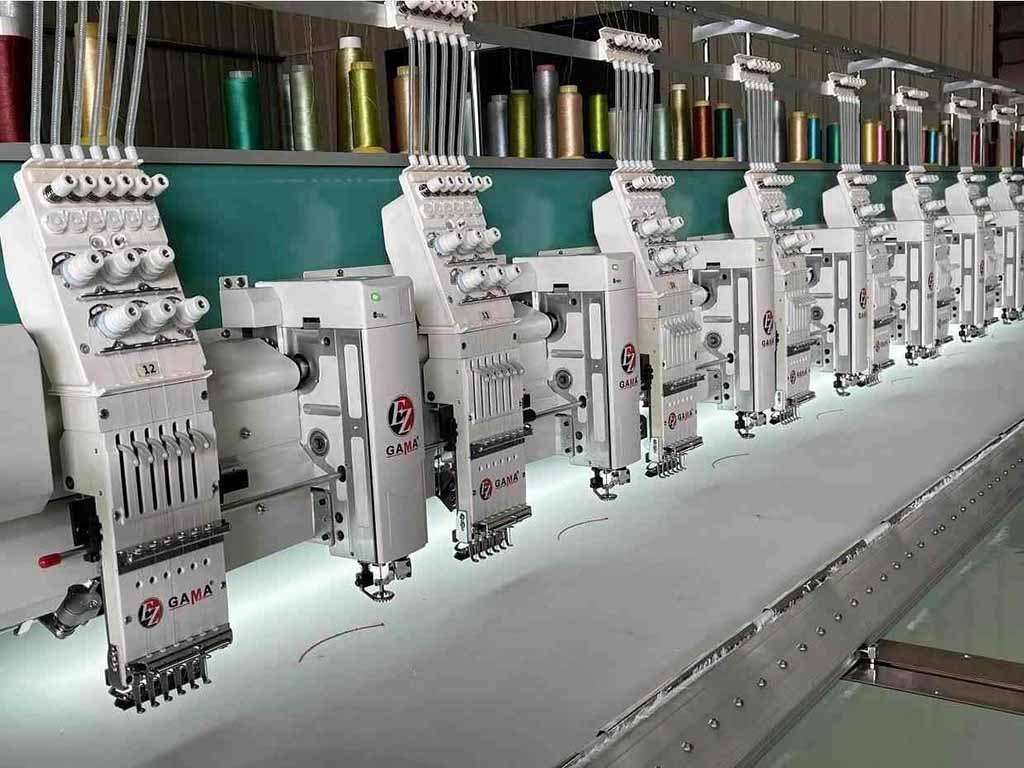
Cost and lead time often influence the final decision more than aesthetics. Embroidery generally costs more because it requires machine time, manual thread changes, and detailed setup. The more stitches required, the higher the cost. Complex embroidery designs also slow down production efficiency.
Printing tends to be faster and more scalable for bulk orders. Heat transfer printing allows rapid repeating of identical logos. Sublimation printing supports large color ranges without additional cost for complexity. However, printing setup—such as making screens or plates—can add time and expense for small orders.
For licensing projects with frequent color variants or seasonal designs, printing often offers lower development cost and faster turnaround.
| Cost Category | Embroidery | Printing |
|---|---|---|
| Setup cost | Low–Medium | Medium–High (depends on method) |
| Per-unit cost | Higher | Lower |
| Production speed | Slower | Faster |
| Detail flexibility | Limited | Very high |
| Ideal order size | Medium–High volumes | Any, especially large |
How Can Brands Evaluate Long-Term Performance and Wearability for Each Branding Option?
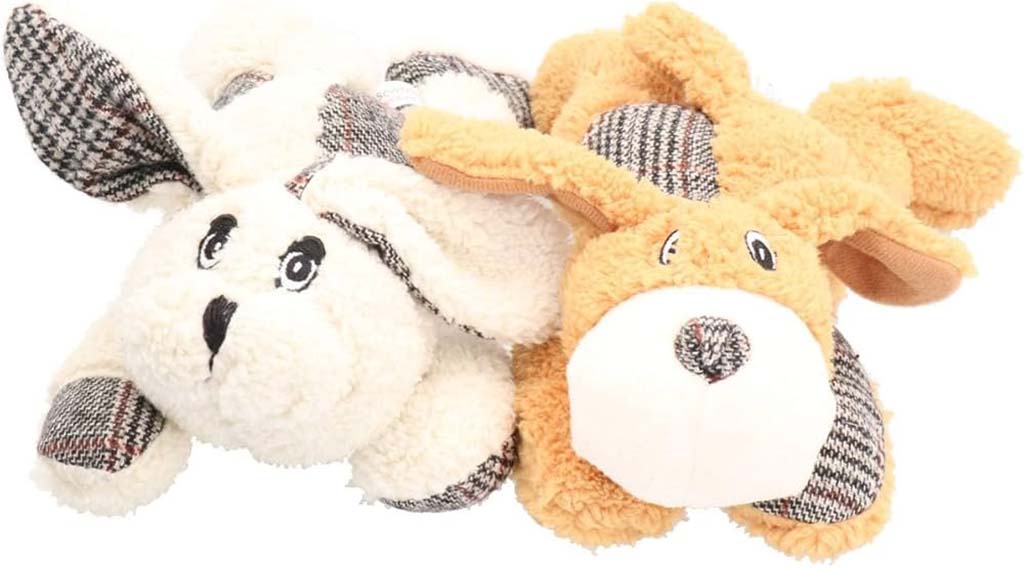
Long-term performance matters, especially for plush toys expected to endure washing, handling, and retail interaction. Embroidery maintains appearance for years because it does not fade or peel. It is highly recommended for eyes, noses, and structural elements, especially for children under three, to avoid choking hazards.
Printing longevity depends on pigment quality, curing temperature, and fabric compatibility. High-quality printing remains vivid after multiple washes, while low-quality printing may crack or fade. For plush toys aimed at collectors or decorative use, printing performs extremely well because wear is minimal.
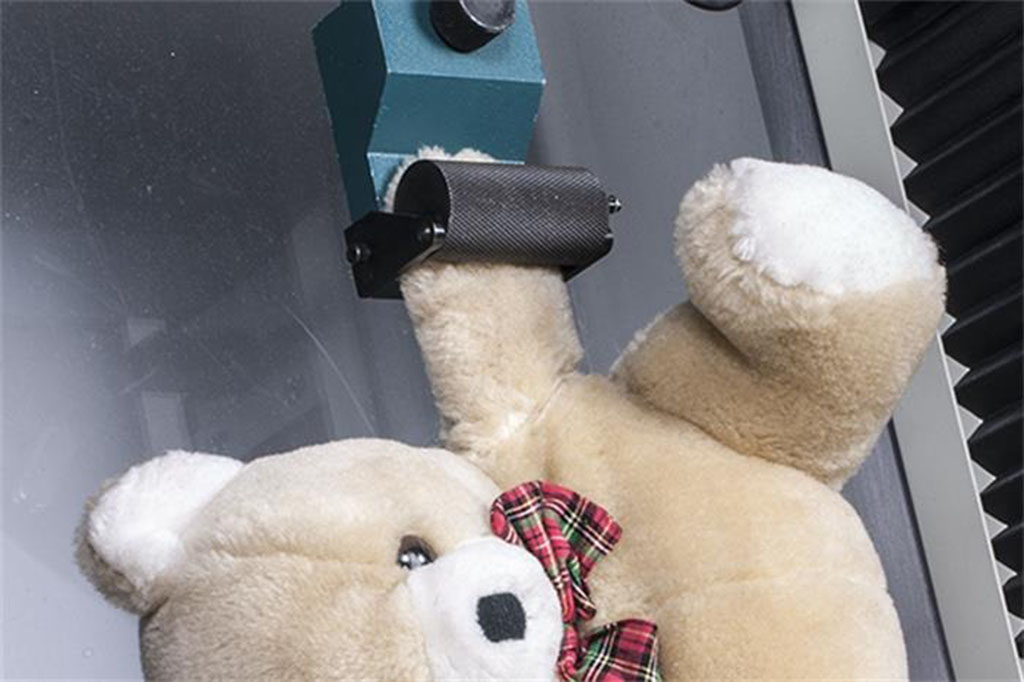
Brands should evaluate performance through testing: abrasion tests, washing tests, colorfastness tests, and pull tests. These reveal how branding elements respond under real consumer conditions.
| Performance Factor | Embroidery Result | Printing Result |
|---|---|---|
| Washing durability | Excellent | Varies by method |
| Abrasion resistance | High | Moderate–High |
| Color longevity | Very stable | Stable with proper curing |
| Child safety | Best choice | Must meet adhesion standards |
| Retention over time | Very high | High for sublimation/DTF |
Conclusion
Embroidery and printing both offer excellent branding options for plush toys, but the right choice depends on the product’s purpose, market, material, and long-term performance needs. Embroidery delivers durability, texture, and a premium look, while printing offers flexibility, detail, and cost efficiency. By understanding the strengths and limitations of each method, brands can choose the option that best aligns with quality standards, budget, and visual goals. Factories like Kinwin provide guidance on fabric behavior, cost trade-offs, and compliance to help brands make smart branding decisions.
📧 Contact: [email protected]
🌐 Visit: https://kinwintoys.com