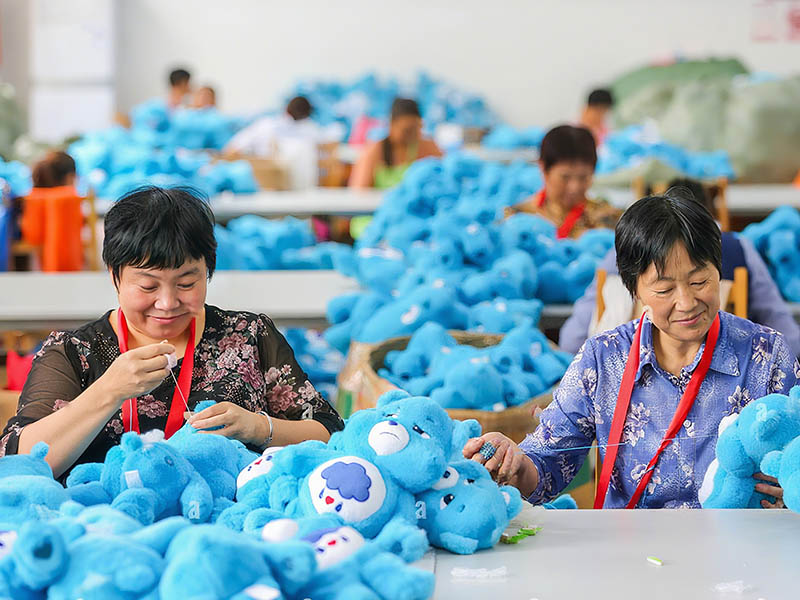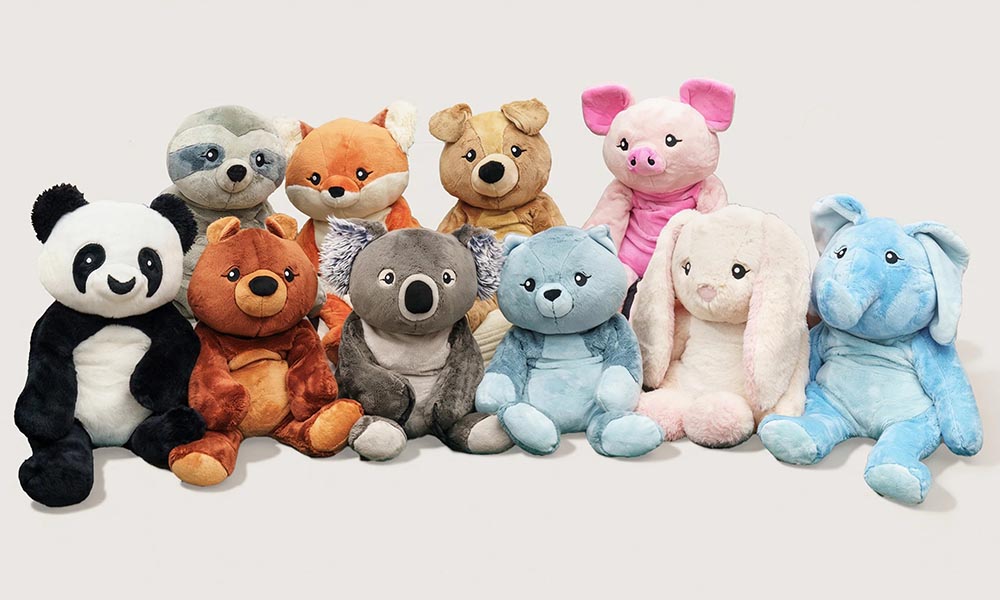
Packaging is more than a protective shell for plush toys—it is a storytelling element, a branding asset, and a quality signal that shapes customer expectations. For retailers, licensing brands, and e-commerce sellers, packaging plays a crucial role in unboxing experience, perceived value, product safety, and compliance with regulatory standards.
This guide explains how to design effective packaging for plush toys, balance aesthetics with practicality, and work efficiently with factories to achieve cost-effective, brand-aligned solutions.
What Brand and Product Requirements Should Guide Plush Toy Packaging Design?
Before designing packaging, brands must define key requirements based on product type, target audience, retail environment, and logistical considerations. Packaging for a collectible plush, for example, differs greatly from packaging for a baby toy. Luxury IP plush may require premium boxes, while mass-market plush may use polybags with simple labels.
Brand guidelines influence color use, font style, story elements, and logo placement. Packaging must reinforce the brand’s personality—cute, minimalist, premium, eco-friendly, playful, or artistic. For children’s products, packaging must be visually appealing yet safe, with no sharp edges or loose components.
Product size and shape also play major roles. Oversized plush requires larger boxes or vacuum packaging to reduce shipping volume. Fragile accessories or sound modules may require internal supports or blister inserts.
Packaging decisions must align with merchandising goals: hanging display, shelf display, tray display, gift-set arrangement, or e-commerce optimization.
| Brand Requirement | Packaging Implication | Impact |
|---|---|---|
| Target age group | Soft, child-safe materials | Improved safety |
| Retail positioning | Premium box vs. polybag | Affects price perception |
| Product size | Box dimensions or vacuum packing | Logistics efficiency |
| Brand identity | Colors, typography, storytelling | Stronger recognition |
| Sales channel | Online vs. in-store needs | Different visual strategies |
How Do Different Packaging Formats Impact Protection, Display, and Unboxing?
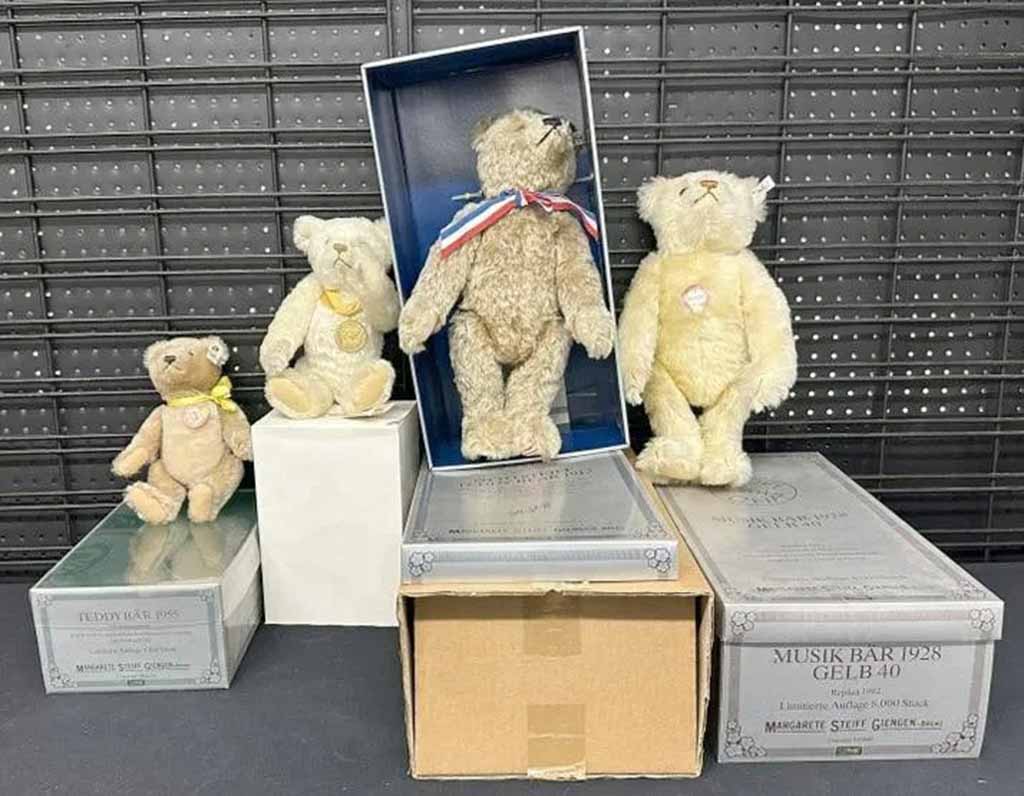
Each packaging format serves a unique purpose. Polybags provide cost-efficient protection for mass production, while window boxes enhance retail display. For collectible plush, rigid boxes with inserts create an elevated unboxing experience. E-commerce packaging focuses on transit protection and reducing volumetric weight.
Window boxes allow customers to see the toy without opening the package, which is especially important in retail environments where visual appeal drives impulse purchases. Clamshell or blister packaging adds rigidity but increases material cost and environmental impact.
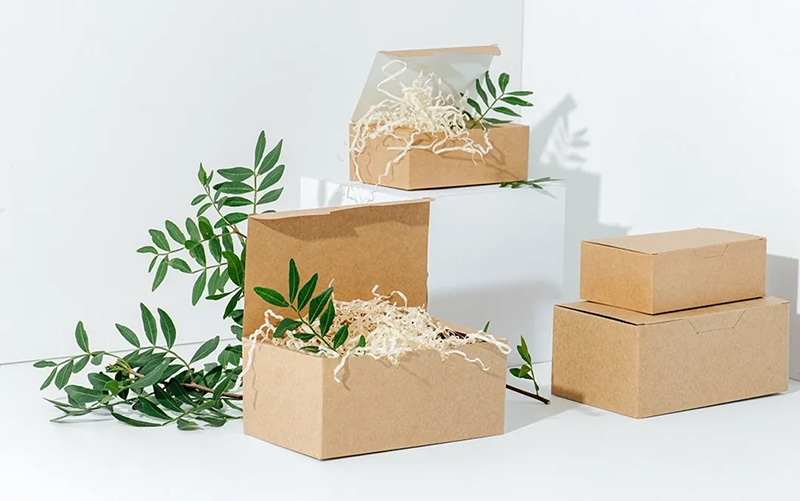
For promotional plush or gift sets, customized boxes with magnetic closures, ribbons, or premium coatings add value. Sustainable packaging—kraft paper boxes, recycled materials, soy-based inks—is becoming more common for environmentally conscious brands.
| Packaging Format | Best Use Case | Advantages | Considerations |
|---|---|---|---|
| Polybag | Mass-market plush | Low cost | Limited branding |
| Window box | Retail shelves | Strong visual appeal | Higher unit price |
| Rigid gift box | Premium plush / IP lines | Luxury unboxing | Heavy & costly |
| Clamshell / blister | Toys with accessories | High protection | Less eco-friendly |
| E-commerce mailer | Online sales | Transit durability | Not display-friendly |
What Material and Structural Choices Ensure Safety and Shipping Durability?
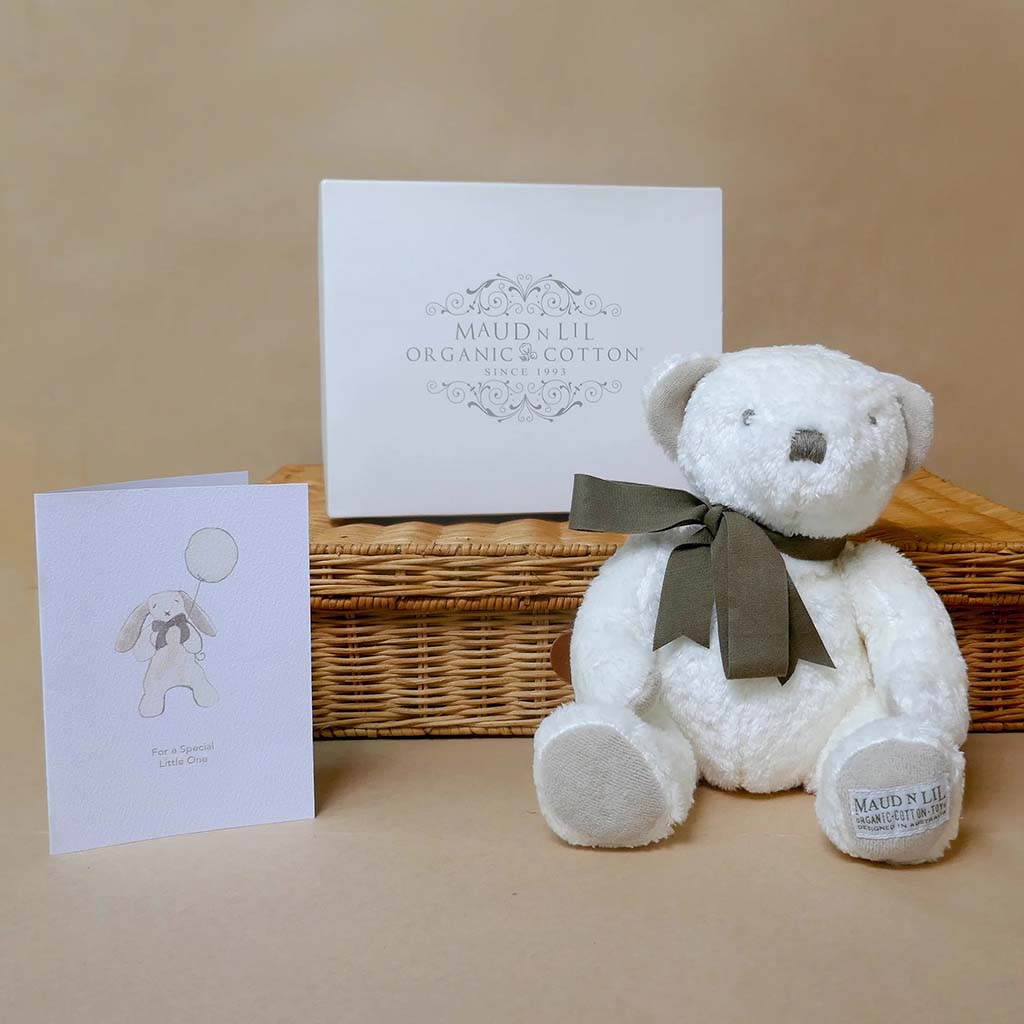
Packaging must protect the plush toy from crushing, moisture, dust, deformation, and transit impact. Material selection depends on the toy’s structure, stuffing firmness, and accessory fragility. For plush toys with electronics, structural reinforcement is essential to avoid damage.
Corrugated cardboard offers durability for shipping, while solid paperboard provides cleaner surfaces for printing. Inserts, trays, or braces keep the plush secure inside the box. Structural engineers may add die-cut supports for ears, limbs, or shaped bodies.
Certain markets require environmental safety. For example, Europe restricts specific inks and coatings under REACH regulations, while the U.S. requires packaging materials to comply with heavy metal limits under the Toxics in Packaging Clearinghouse (TPCH).
Water-resistant coatings, scratch-resistant lamination, and reinforced corners increase durability but also influence cost and lead time.
| Material Type | Strength | Usage | Notes |
|---|---|---|---|
| Polybag (OPP/PE) | Low | Basic protection | Add suffocation warning |
| Paperboard | Medium | Retail display boxes | Ideal for printing |
| Corrugated board | High | Shipping cartons | Best for e-commerce |
| Blister plastic | High | Form-fitting protection | Limited sustainability |
| Internal inserts | Medium–High | Stability & alignment | Reduces deformation |
How Can Color, Graphics, and Branding Elements Enhance Retail Presence?
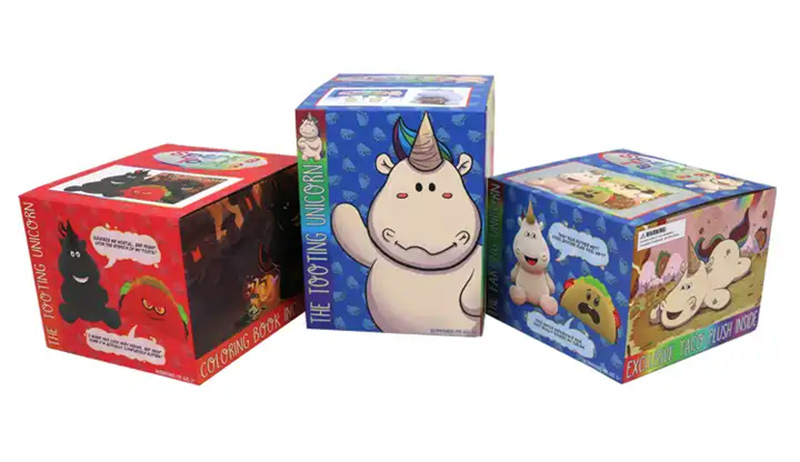
Packaging is a powerful marketing tool, especially in competitive toy aisles. Using consistent brand colors, clean graphics, and emotionally appealing visuals helps attract buyers and encourage impulse purchases.
High-quality illustrations communicate the plush toy’s personality. Typography and layout reflect the brand’s tone—premium, playful, educational, or eco-friendly. QR codes can link to brand stories, character bios, or promotional campaigns.
Metallic accents, spot UV, embossing, and matte finishes elevate premium lines. For licensed plush, packaging must display logo guidelines, character artwork, copyright lines, and approved color schemes.
Brands should create packaging that is easy to photograph for online marketing. Clean surfaces, bold colors, and simple layouts help products perform better on e-commerce platforms such as Amazon, Walmart, and Shopify.
| Brand Design Element | Purpose | Retail Benefit |
|---|---|---|
| Color palette | Brand consistency | Instant recognition |
| Character artwork | Emotional connection | Stronger appeal |
| Typography | Voice & clarity | Professional look |
| Finishes (UV, embossing) | Premium touch | Higher perceived value |
| QR / barcode | Engagement & traceability | Better customer interaction |
What Compliance, Labeling, and Documentation Must Be Included on Packaging?
Plush toy packaging must meet the legal requirements of each target market. This includes mandatory labels, tracking codes, warning statements, and certification marks. Incorrect labeling can lead to customs delays, product recalls, or fines.
For the U.S. market, CPSIA requires a tracking label with batch number, manufacturing date, and factory details. ASTM F963 also requires age grading and choking hazard warnings where applicable. For the EU, CE marking and EN71 compliance statements must appear clearly on packaging. The UK requires UKCA marking.
Labeling must include fiber content, country of origin, safety icons, washing instructions, and brand contact information. Some markets require multilingual labels. E-commerce platforms like Amazon have additional packaging rules, such as suffocation warnings for polybags.
Documentation—test reports, certificates, dye safety records, packaging material declarations—should be organized and accessible for audits.
| Regulatory Requirement | Applies To | Purpose |
|---|---|---|
| CE / UKCA marking | EU / UK | Declare compliance |
| CPSIA tracking label | USA | Traceability |
| Choking warnings | Global | Prevent hazard |
| Fiber content | Textile rules | Transparency |
| Country of origin | Customs | Legal requirement |
How Do Cost, Lead Time, and Supplier Capabilities Influence Packaging Decisions?
Packaging must balance cost, speed, and quality. Premium packaging offers great visual impact but increases per-unit cost and production time. Factories need time to source materials, set up printing plates, cut dies, and assemble boxes. Complex structures may require hand-assembly, raising labor cost.
Lead time varies by material type and printing method. Offset printing adds detail but requires more preparation. Specialty finishes extend production time due to coating and drying requirements. Custom-molded packaging has the longest timeline.
Supplier capability is equally important. A factory that offers in-house packaging production can reduce cost, minimize communication gaps, and shorten lead times. Suppliers with strong engineering support can improve structural reliability and reduce shipping volume.
| Cost/Lead Factor | Influence on Packaging | Outcome |
|---|---|---|
| Material cost | Higher for rigid boxes & specialty finishes | Higher unit price |
| Printing complexity | More colors = higher setup cost | Longer lead time |
| Custom inserts | Extra tooling & labor | Higher precision |
| Assembly labor | Manual work increases cost | Affects scalability |
| Supplier capability | In-house vs. outsourced | Efficiency differences |
Conclusion
Custom packaging elevates plush toys beyond their functional purpose and strengthens brand storytelling, safety assurance, and retail performance. When brands understand material options, regulatory requirements, structural design, and cost trade-offs, they make smarter packaging decisions that improve product quality and customer satisfaction. Factories like Kinwin help global buyers create packaging that aligns with brand identity while meeting safety, durability, and compliance standards.
📧 Contact: [email protected]
🌐 Visit: https://kinwintoys.com