When people ask me, “Where can I find good stuffed animals?” they usually don’t just mean any plush toy. They want something soft, safe, cute, and reliable—whether it’s for a child, a gift, décor, or for their own brand’s product research.
As a plush toy manufacturer in China, working with buyers from the USA, Europe, Japan, South Korea, and the Middle East, I see every day how the buying channel affects quality, pricing, and long-term satisfaction. In this guide, I’ll walk you through the main places to find stuffed animals and how to judge which options fit your needs best.
What online platforms offer a broad range of stuffed animals?
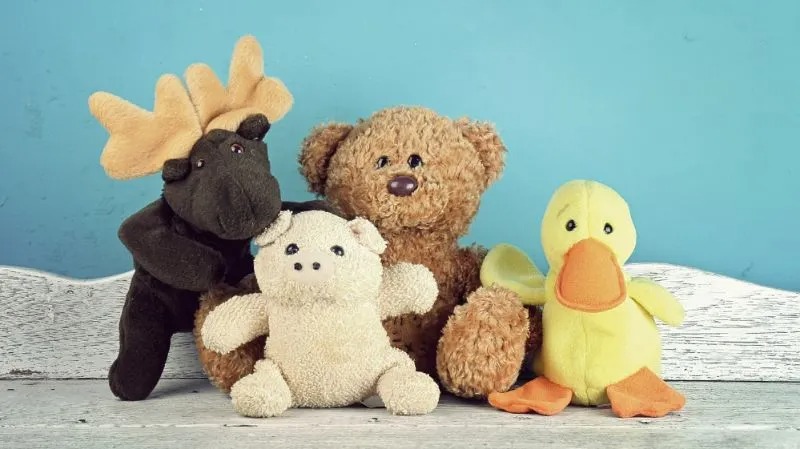
If you want a wide view of what the plush market looks like—different brands, price levels, and styles—online platforms are usually the fastest starting point. They let you compare hundreds of options very quickly.
In general, you’ll find stuffed animals on:
- Global marketplaces – like large e-commerce platforms that carry many brands.
- Handmade & custom platforms – for unique or personalized plush.
- Wholesale & factory platforms – for bulk or B2B sourcing.
Each type has its own strengths: range, price, or customization potential.
Table 1 – Main online platform types for stuffed animals
| Platform Type | What You’ll Find There | Best For |
|---|---|---|
| Global marketplaces | Mass-market plush, licensed characters, generic brands | Everyday gifts, quick purchases, price comparison |
| Handmade/custom platforms | Artist plush, personalized toys, small-batch designs | Unique gifts, niche designs, collector pieces |
| Brand outlets on platforms | Official brand storefronts inside marketplaces | Authentic items with marketplace convenience |
| Wholesale/B2B platforms | Factory-direct plush, OEM/ODM options | Retailers, brands, promotional buyers |
| Social commerce | Trendy plush sold via short videos and live streams | Impulse buys, discovering trending styles |
If you’re still exploring what style you want, browsing a few major online platforms can help you understand current trends, typical price ranges, and customer expectations for stuffed animals.
How do official brand stores differ in selection and quality?
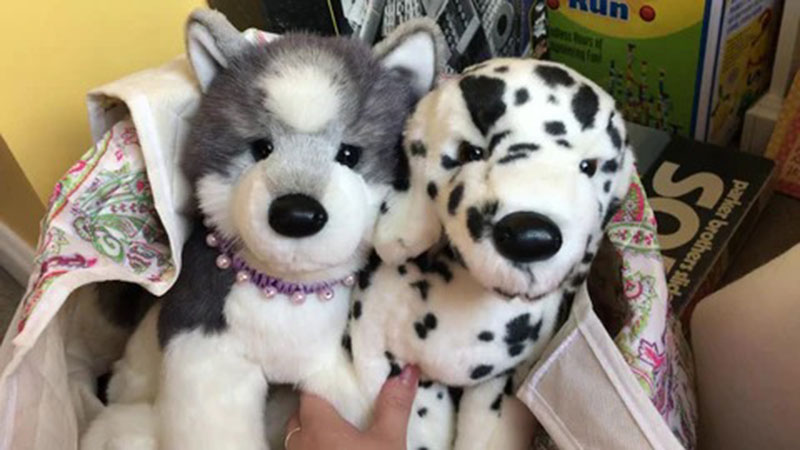
Online platforms show you everything, but sometimes you want a more controlled, higher-trust environment. That’s where official brand stores are different.
Brand websites and official online shops usually offer:
- The current full range or carefully selected hero products.
- Better details about materials, stuffing, and safety standards.
- Clearer age recommendations and washing instructions.
- Stronger after-sales support (because your experience affects their brand image).
Prices on brand sites are often close to the recommended retail price. You may not get the lowest price, but you usually get higher trust and more detailed product info.
Table 2 – Official brand stores vs general online platforms
| Factor | Official Brand Store | General Online Platform |
|---|---|---|
| Product authenticity | Very high – direct from brand | Depends on seller; need to check |
| Selection | Focused on that brand’s current lines | Many brands and qualities mixed together |
| Product information | Detailed specs, safety notes, care instructions | Varies by each seller listing |
| Pricing | Close to RRP, controlled promotions | Wide range; can be cheaper or more expensive |
| Customer support | Direct brand support and warranty | Platform + individual seller support |
| Ideal for | Buyers who care about brand trust and clear details | Buyers who want broad choice and easy comparison |
If you already know you like a certain brand, going directly to its official store (website or official shop inside a marketplace) is often the safest way to get authentic, well-documented plush toys.
Which local shops and specialty boutiques reliably carry stuffed animals?
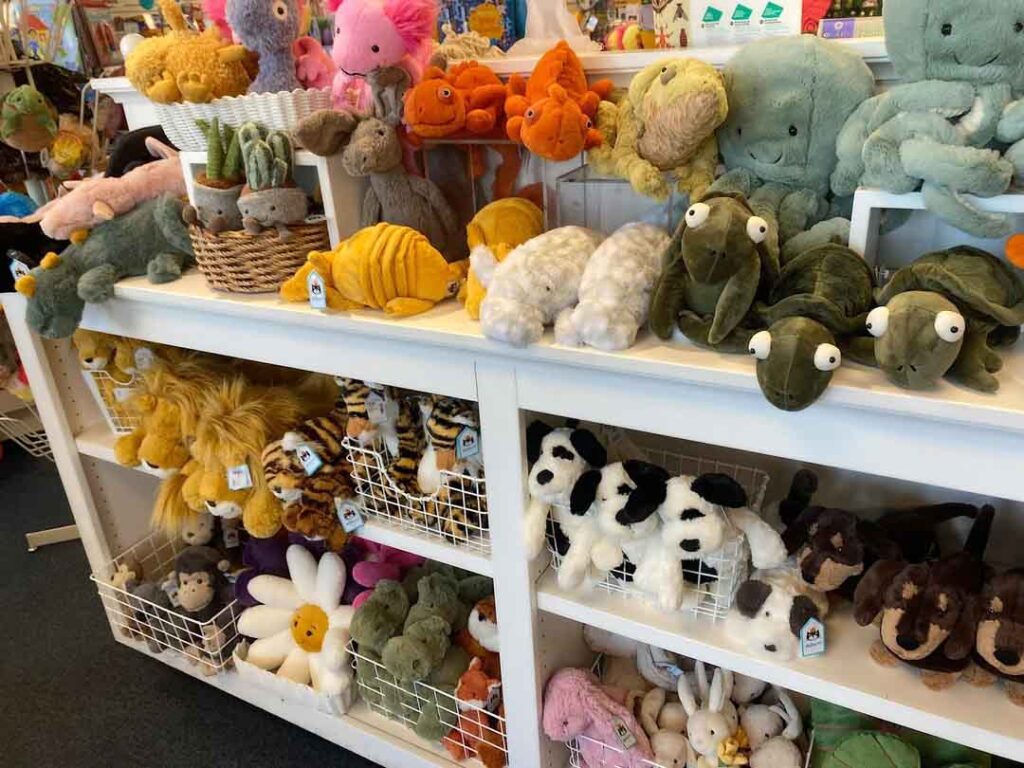
Sometimes, you want to touch and feel the plush before you buy it. Local shops and specialty boutiques are still very valuable for stuffed animals, especially if you care about texture, weight, and true color.
Common places to find plush offline include:
- Toy shops and children’s stores
- Bookstores with gift corners
- Department stores
- Gift & lifestyle boutiques
- Supermarkets or variety stores (basic plush lines)
- Museum and theme-park shops
Each type of shop has its own style and target customer. For example, a children’s bookstore might focus on reading buddies and character plush, while a lifestyle boutique might stock neutral, aesthetic plush that matches modern home décor.
Table 3 – Local shop types and their typical plush selection
| Shop Type | Typical Plush Offering | Best For |
|---|---|---|
| Toy stores | Wide range by age, brand, and theme | Everyday play plush, birthday gifts |
| Children’s boutiques | Higher-quality, curated plush selections | Baby shower gifts, premium kids’ presents |
| Bookstores | Character plush, reading companions | Gifts paired with books, school rewards |
| Department stores | Well-known brands, seasonal plush collections | Gifts, branded plush with strong presentation |
| Gift & lifestyle stores | Aesthetic, decor-friendly plush | Adult gifts, home décor plush |
| Theme parks & attractions | Licensed characters, location-specific mascots | Souvenir plush, collectors |
If you value immediate availability, no shipping risk, and direct quality inspection, local retailers and boutiques remain a strong channel for plush shopping.
How can international buyers source plush toys safely and efficiently?
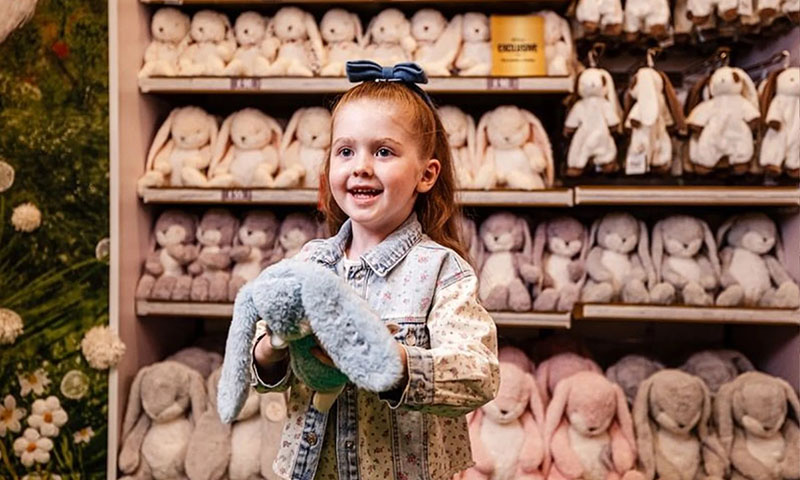
If you live in one country and want plush from another—whether it’s Japanese characters, European designs, or US brands—you’ll need to think about international sourcing.
As an international buyer, you have several safe paths:
- Use global marketplaces that support international shipping and buyer protection.
- Order from brand sites that offer regional versions or worldwide delivery.
- Use regional specialty shops that focus on exporting toys and characters.
- For B2B or wholesale, work directly with manufacturers or trading companies that provide safety documents and clear contracts.
To keep things safe and efficient, pay attention to:
- Import taxes and duties – some sites show these upfront, others don’t.
- Delivery times and tracking – especially important for gifts.
- Return options – cross-border returns can be limited or costly.
- Safety standards – if the toy is for resale, it must meet your local regulations.
Table 4 – International sourcing routes for plush toys
| Buyer Type | Typical Sourcing Route | Main Advantages |
|---|---|---|
| Individual consumer | Global marketplace listings with international shipping | Familiar platform, buyer protection |
| Collector | Regional specialty shops that ship worldwide | Access to rare or country-specific designs |
| Small retailer | Online wholesalers, importers, or B2B platforms | Better unit pricing, curated selections |
| Large retailer | Direct factory partnerships, OEM/ODM production | Full control over design, branding, and standards |
| Corporate/promotional buyer | Manufacturers (like Kinwin) via direct contact | Custom logo plush, campaign-focused designs |
If you want your own brand of stuffed animals instead of reselling existing brands, then working directly with a factory partner is usually the best option. That’s exactly what my team and I do at Kinwin: we help global buyers move from “just buying plush” to creating branded plush collections.
What signs help identify reputable sellers versus low-quality sources?
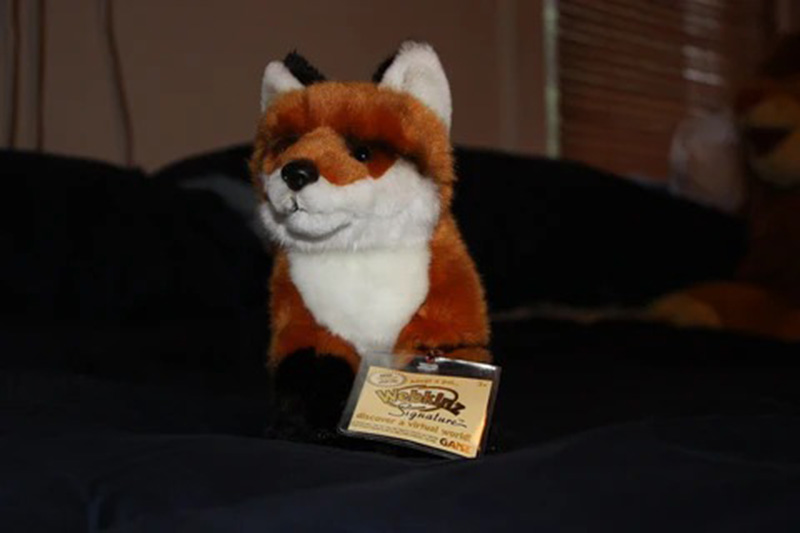
No matter where you shop—online or offline—you need a quick way to decide if a seller is trustworthy. This matters for safety, quality, and your time.
Good indicators of a reputable seller:
- Clear product photos from multiple angles
- Close-up images of tags, seams, and labels
- Honest product descriptions (materials, size, age range)
- Reasonable price compared to similar products
- Many detailed, balanced reviews
- Clear contact details and company info
- Transparent policies for returns and refunds
Warning signs of low-quality or risky sellers:
- Very low prices that look too good to be true
- Vague or copy-paste descriptions, no material info
- Only one or two blurry images, or obvious stolen photos
- No clear company name, address, or working contact methods
- Reviews mentioning bad smell, sharp parts, or seams bursting
- No mention of safety standards for toys aimed at children
Table 5 – Quick seller evaluation checklist
| Checkpoint | Good Sign | Bad Sign |
|---|---|---|
| Product photos | Multiple clear views, real photos, tag close-ups | Only one photo, stock image, or very blurry |
| Description details | Size, fabric, filling, age group, care instructions | Vague text, missing size or material info |
| Pricing | Consistent with market level | Extremely cheap vs. similar products |
| Reviews | Many reviews, specific comments, mix of ratings | Few reviews or many 1-star warnings |
| Business info | Visible company name, address, policy pages | No contact info, no terms or policies |
| Safety mentions | References to toy standards where relevant | No mention of safety for children’s products |
If a seller fails on several points at once, it’s usually better to walk away and choose another option, especially for children’s toys.
How do shipping options and availability influence buying decisions?
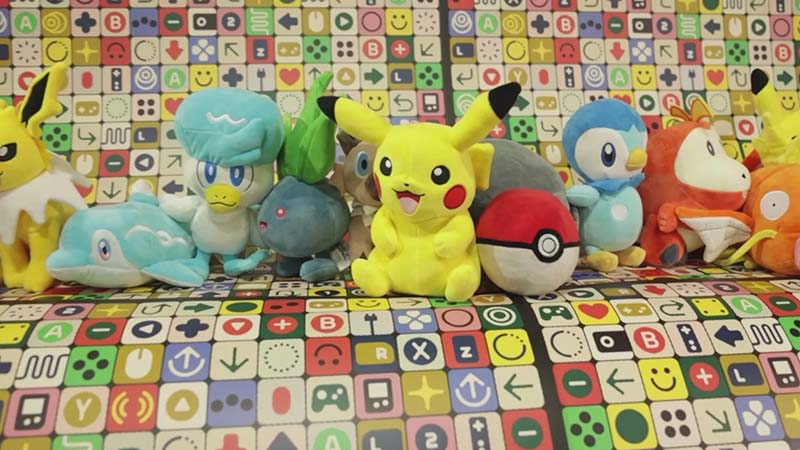
Even when you find the perfect plush, logistics can make or break the experience. Shipping options, stock levels, and return rules all affect whether a purchase really makes sense.
Things I always advise buyers to check:
- Shipping methods – standard vs. express; tracked vs. untracked.
- Shipping cost – flat rate, free above a certain amount, or charged per item.
- Stock status – in stock, low stock, pre-order, or backorder.
- Estimated delivery date – especially for birthdays and holidays.
- Return policy – how long you have, and who pays for return shipping.
- Packaging – if it’s a gift, does the seller offer special packaging?
For larger or more expensive orders, these details become very important. They can change the real cost and hassle level of buying stuffed animals from a given seller.
Table 6 – Practical logistics factors for plush purchases
| Factor | What to Check | Why It Matters |
|---|---|---|
| Shipping speed | Estimated delivery windows | Critical for gifts and holiday purchases |
| Shipping cost | Total cost including possible surcharges | Changes the true final price |
| Stock availability | “In stock” vs. “pre-order/backorder” | Affects how long you have to wait |
| Packaging quality | Protective packing, gift options | Reduces damage risk, improves gift experience |
| Return & refund terms | Time limit, condition requirements, fees | Protects you if item arrives damaged or wrong |
| Customer service | Response time and helpfulness | Easier to solve problems if something goes wrong |
When you’re comparing two similar plush options, sometimes the better shipping and return policy is worth paying a little more for the product itself.
Conclusion
You can find stuffed animals almost everywhere now—on big online platforms, brand websites, local shops, and even through direct factory partnerships. The real question is not just where to find them, but how to choose channels that give you safe, soft, well-made plush toys with a smooth buying experience.
When you understand the differences between marketplaces and official stores, use local shops wisely, source internationally with care, and evaluate sellers based on clear trust signals and logistics, you can pick the best option for your budget and your purpose—whether it’s a single gift or a full product line for your business.
At Kinwin, my team and I focus on the manufacturing side: we help brands, retailers, and promotional buyers create their own stuffed animals with custom designs, safety compliance (CE, EN71, ASTM, CPSIA), and stable quality. If you are considering building a plush line instead of only buying ready-made products, you are very welcome to contact me at [email protected] or visit kinwintoys.com to explore how our OEM & ODM services can support your next project.