Skip to content
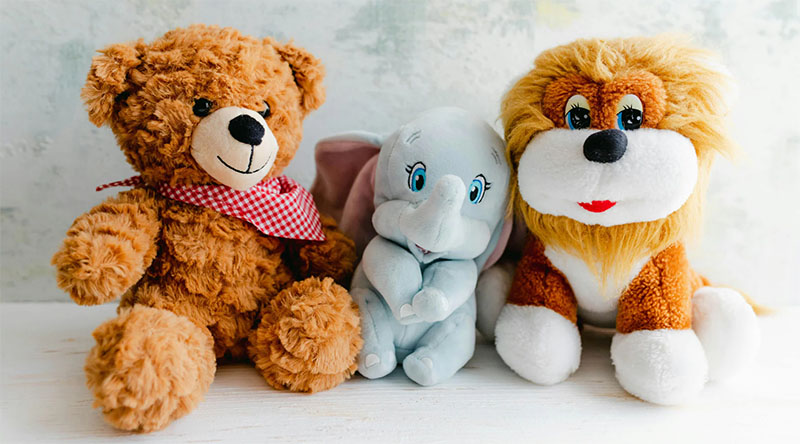
Soft plush toys are more than “something cute to hold.” They are comfort objects, gifts, decor pieces, brand mascots, and sometimes emotional anchors for both children and adults. When they are made well, they feel safe, soft, and reliable. When they are made badly, they shed, lose shape, or even fail basic safety checks.
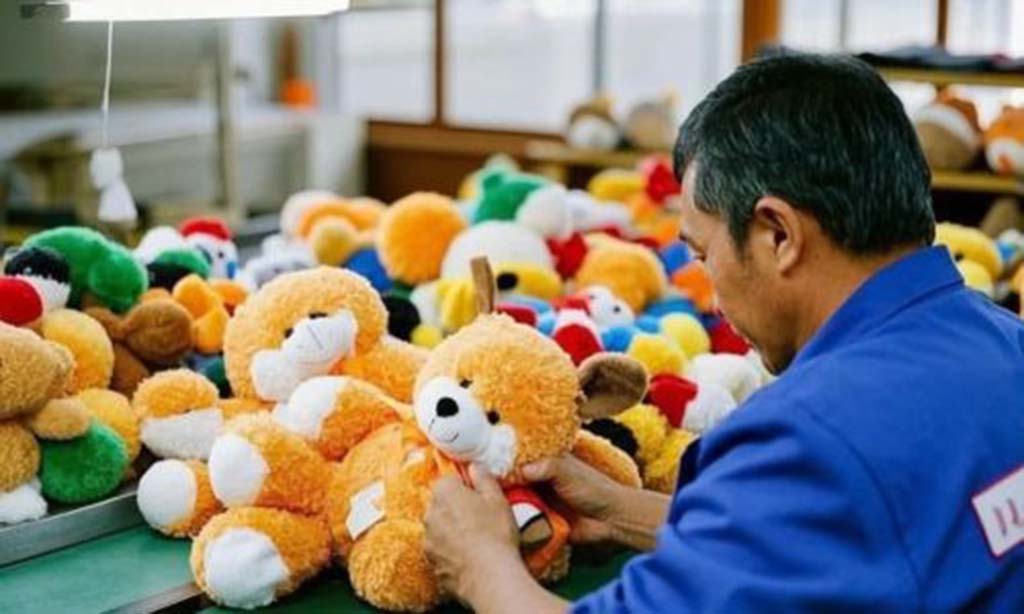
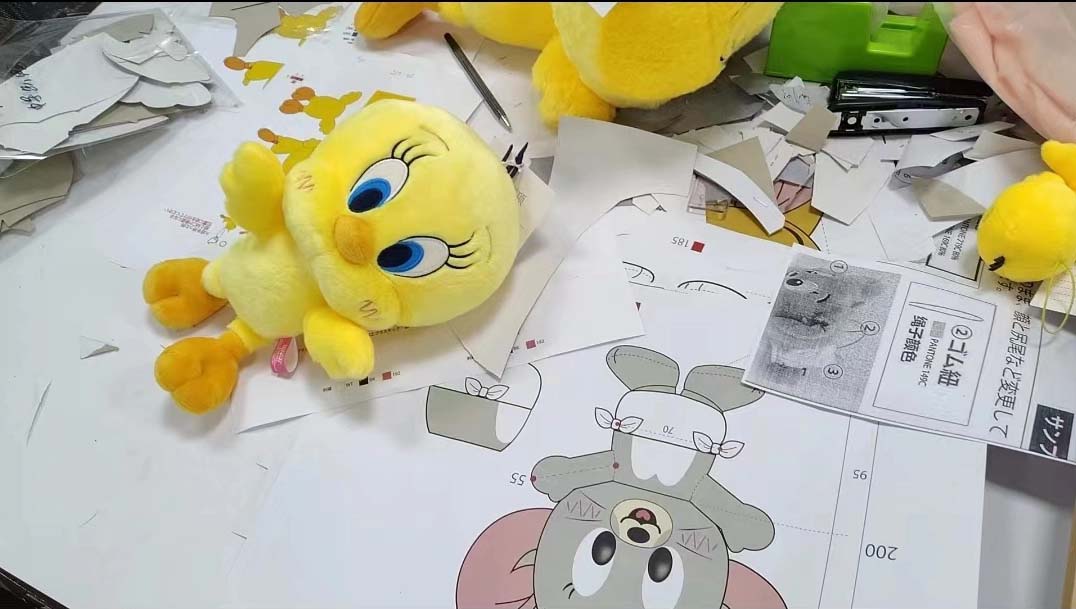
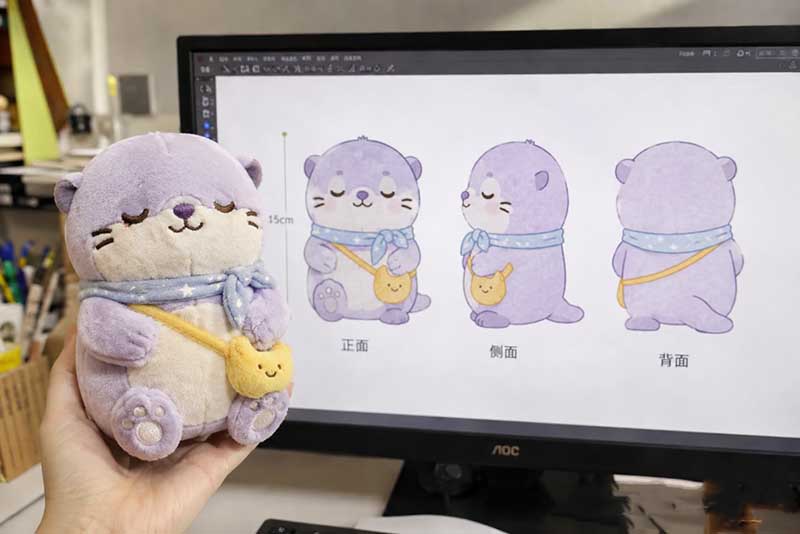
I work with global buyers every day at Kinwin, helping them develop and source soft plush toys for retail, e-commerce, gifts, and promotional use. In this guide, I’ll explain in simple, clear language what makes the best soft plush toys today—from materials and design to safety standards and supplier choices—so you can make confident decisions for your own brand or business.
What qualities define the best soft plush toys today?
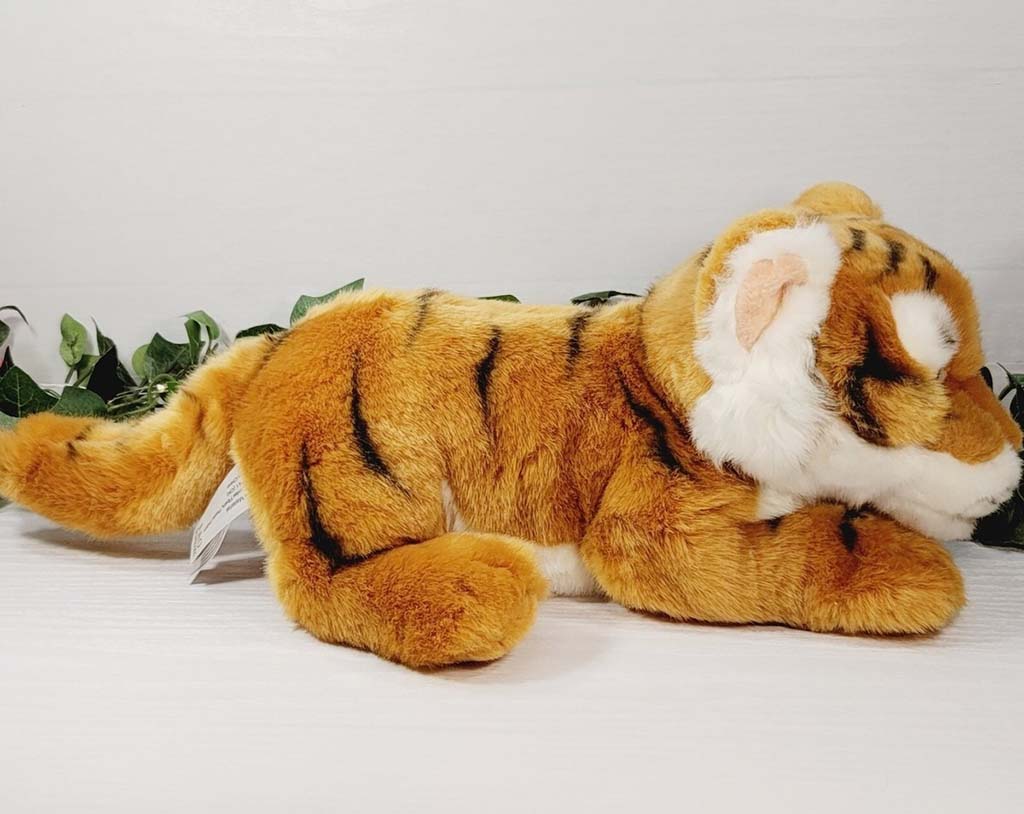
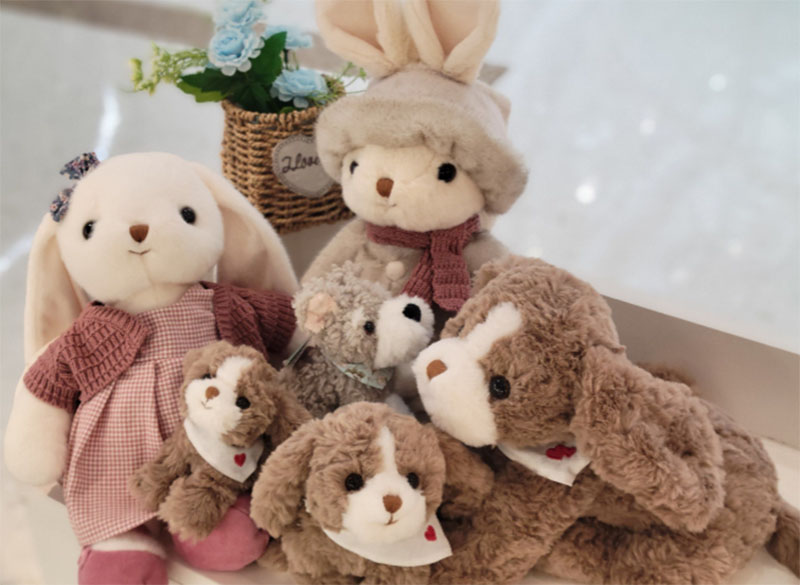
The best soft plush toys do more than look nice in photos. They feel good in the hand, stay in shape, and meet strict safety rules in real markets. When buyers talk to me about “the best,” they usually mean a mix of softness, safety, durability, and emotional appeal.
Key qualities include:
- Gentle hand-feel: The surface should be soft, not scratchy or rough.
- Balanced stuffing: The toy should be easy to hug, not rock-hard or flat.
- Clean shape and proportions: The character should look stable and well designed.
- Safe construction: No loose parts, weak seams, or sharp edges.
- Consistent quality: Samples and bulk production must match each other.
If a plush toy is soft but breaks easily, it will not feel “premium.” If it is durable but rough, customers will not want to cuddle it. The best soft plush toys sit in the middle: soft and strong at the same time.
Table 1 – Core qualities of top soft plush toys
| Quality Area | What It Looks Like in a Real Plush Toy | Benefit for End Users and Buyers |
|---|---|---|
| Softness & comfort | Smooth plush fabric, no scratchy feeling, pleasant to hug | Better cuddle experience, higher customer satisfaction |
| Shape & proportion | Stable head–body ratio, natural sitting or lying posture | Looks attractive on bed, sofa, or store shelf |
| Durability | Tight seams, secure attachments, no loose threads | Withstands daily play and washing (where allowed) |
| Visual appeal | Friendly face, clear personality, suitable color palette | Strong gift and display value |
| Safety | Age-appropriate design, no small loose parts, non-toxic materials | Reduces risk for children and reassures parents |
| Consistency | Minimal variation between items in a batch | Protects brand image and reduces returns |
When you evaluate a sample, ask: Would I feel safe and happy giving this to my own child, or to my best customer’s child? If the answer is yes, you are moving toward the “best” level already.
How do fabrics and fillings influence softness, durability, and safety?
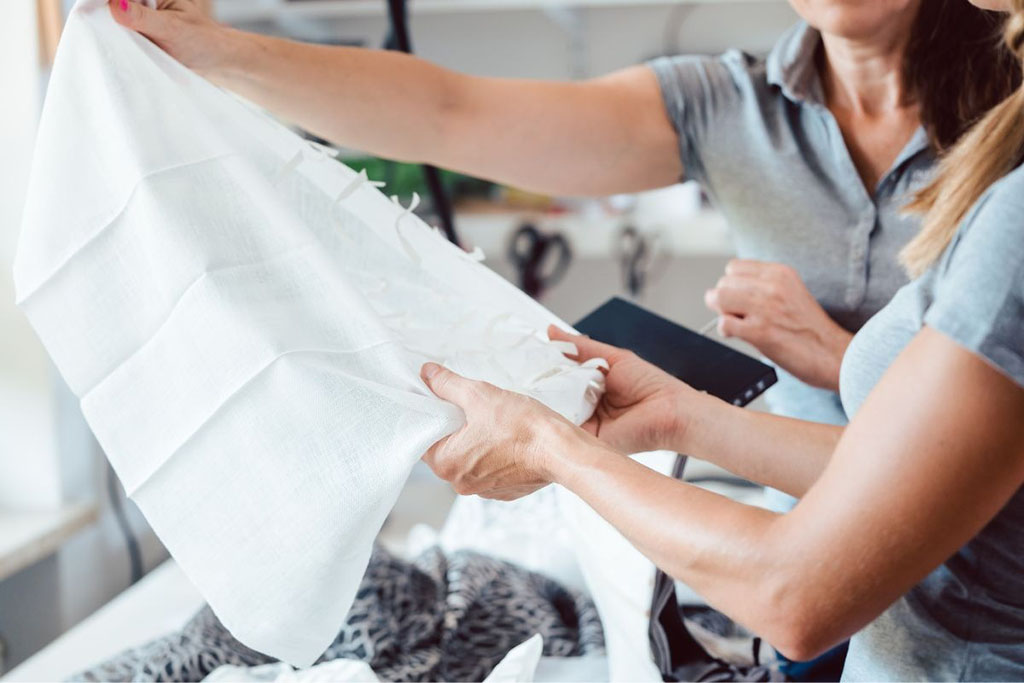
Fabric and filling choices are the “heart” of a soft plush toy. A toy can only be as good as the materials that build it. As a manufacturer, I always look first at what touches the skin and what supports the shape inside.
Fabrics
Common surface fabrics for soft plush toys include:
- Short plush / velboa – neat, smooth, and good for clear shapes and embroidery.
- Minky / micro plush – very soft, often used for baby and cuddle-focused designs.
- Faux fur – longer pile for animals, fantasy creatures, and “luxury” looks.
The best fabrics are:
- Soft but not too loose in structure.
- Colorfast (they do not bleed dye easily).
- Stable in washing or gentle cleaning (within the care instructions).
Fillings
Inside, we usually use:
- Polyester fiberfill – the main stuffing for softness and volume.
- High-resilience or premium fiber – better spring-back and long-term shape.
- Recycled fiberfill – for brands that want a sustainability story.
- Pellets or beads in inner pouches – to add a bit of weight for a grounding feel.
The best combination is usually quality plush fabric + clean, springy stuffing. This creates a soft squeeze, a stable silhouette, and a safe interior with no sharp or strange objects.
Table 2 – How fabrics and fillings shape plush performance
| Component | Better Choices for Soft Plush Toys | Effect on Softness, Durability, and Safety |
|---|---|---|
| Outer fabric | Short plush, velboa, minky, micro plush | Smooth touch, low friction on skin, stable surface |
| Fabric density | Medium–high pile density | Rich, full feel; less chance of bald spots |
| Pile length | Short–medium for general toys, medium for extra softness | Easier to maintain, lower risk of matting |
| Stuffing | Clean polyester fiberfill, high-resilience variants | Better bounce, less clumping, stable shape over time |
| Extra weight | Pellets in sewn pouches (not loose) | Safe added weight without choking risks |
| Hidden structure | Internal seams and pockets that guide stuffing | More even fill, fewer lumps and hollow areas |
When you source, always ask the manufacturer what exact fabric and fiber grades they use. Good suppliers can show you swatches and explain why a certain material fits your project.
Which design features enhance comfort and appeal across age groups?
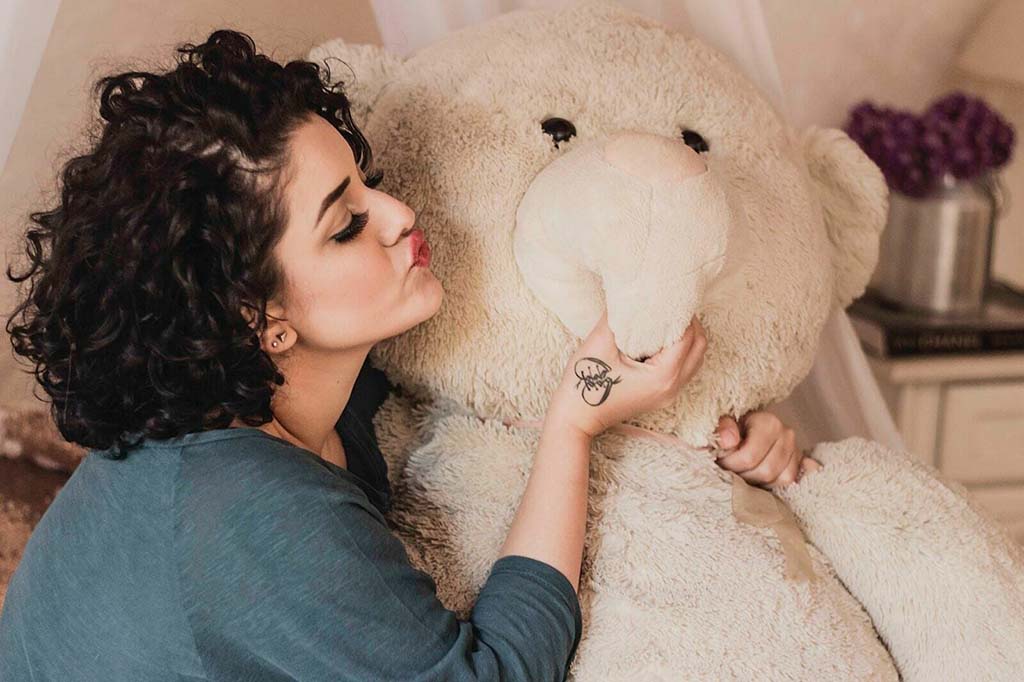
Soft plush toys serve different people in different ways. A baby, a child, a teen, and an adult collector will not all want the same design—but some core comfort principles are shared.
Key design features that improve comfort and appeal include:
- Gentle, friendly facial expression – calm eyes, soft smile, no aggressive angles.
- Proportions that invite hugging – slightly bigger head, round body, soft limbs.
- Flexible pose – can lie flat, sit, or lean against a pillow without looking strange.
- Thoughtful size range – smaller versions for travel or gifts, larger versions for beds and sofas.
For younger children, parents often prefer:
- Embroidered facial features instead of hard plastic eyes.
- Simple silhouettes with minimal small accessories.
- Pastel or warm colors that feel gentle and safe.
For older children, teens, and adults, brands may choose:
- Stylized or humorous faces, chibi-style proportions.
- On-trend colors (nudes, pastels, neons, or combinations).
- Themed details (food shapes, animals, characters, seasonal designs).
Table 3 – Design features and their impact by age group
| Design Element | Baby & Toddler Focus | Older Child / Teen Focus | Adult & Collector Focus |
|---|---|---|---|
| Facial features | Embroidered eyes and nose, soft expression | More varied eye styles, printed details allowed | Stylized, fandom-inspired, or minimalist |
| Body shape | Round, simple, easy to hold | Fun silhouettes, animals, food, characters | Statement pieces, decor-friendly shapes |
| Size options | Small–medium for safe handling | Small–large depending on play and display | Medium–XL for beds, sofas, or shelves |
| Accessories | Minimal, securely sewn | Clothes, hats, small props (still safe) | Themed outfits, removable pieces (age-rated) |
| Color palette | Soft pastels, calm tones | Brights, gradients, character-based palettes | Trendy neutrals, aesthetic or brand colors |
| Texture variety | Mostly uniform plush | Mixed fabrics for interest | Premium textures, faux fur, embroidery |
Strong design planning helps your soft plush toys work well across different channels—baby stores, gift shops, online platforms, and lifestyle retailers.
How do leading brands innovate to elevate soft plush toy performance?
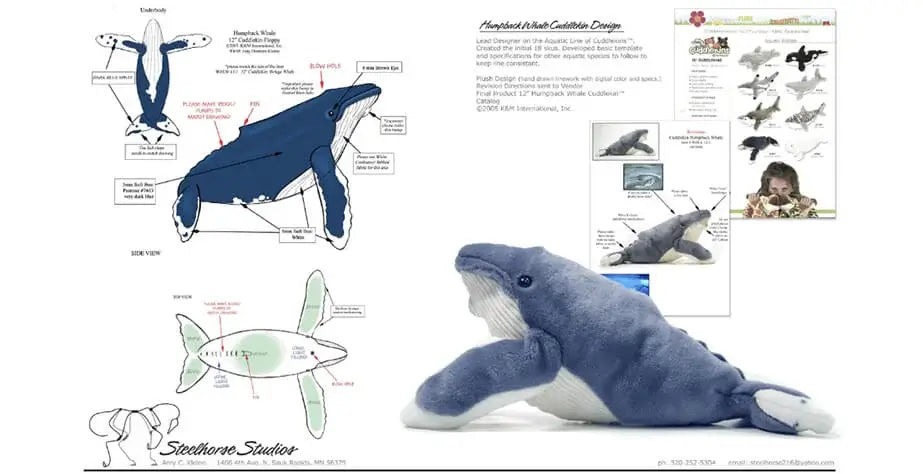
Leading soft plush toy brands never stop adjusting and refining their designs. From the factory side, I see how big and small brands use innovation in materials, structure, and storytelling to make their soft plush toys stand out.
Common innovation areas include:
- Material upgrades: using higher-density plush, softer minky, or recycled fibers.
- Weight and shape engineering: adding gentle weighting to create a calming feel or better sitting posture.
- Modular or interchangeable parts: Velcro accessories, removable clothing, or mix-and-match sets (for older age groups).
- Emotional design: characters built around comfort, mental wellness, or sleep support.
- Sustainability stories: eco-focused lines with recycled stuffing or certified fabrics.
These innovations are not only about “being new.” They are about solving real customer needs: better sleep, more comfort, cleaner decoration, or deeper connection with a favorite character or brand.
Table 4 – Innovation strategies used by leading soft plush brands
| Innovation Area | Example Approaches | Resulting Benefit for Users and Retailers |
|---|---|---|
| Material innovation | Recycled polyester, extra-soft minky, faux fur blends | Adds value story, improves feel and eco image |
| Weight & structure | Light weighting, special filling zones | Better cuddle experience, improved sitting/lying pose |
| Emotional design | Calming faces, “comfort buddy” concepts | Strong emotional bonding, repeat purchases |
| Modular features | Removable clothes, themed accessories | Higher play value, seasonal refresh possibilities |
| Aesthetic direction | “Aesthetic room” colors, minimalistic shapes | Fits home decor and adult gifting |
| Licensing & IP | Character tie-ins, brand mascots | Built-in fanbase, stronger market differentiation |
When you select or develop soft plush toys, it helps to ask: What extra value does this design give beyond just “soft and cute”? That answer often becomes your marketing story.
What certifications and safety standards classify premium soft plush toys?
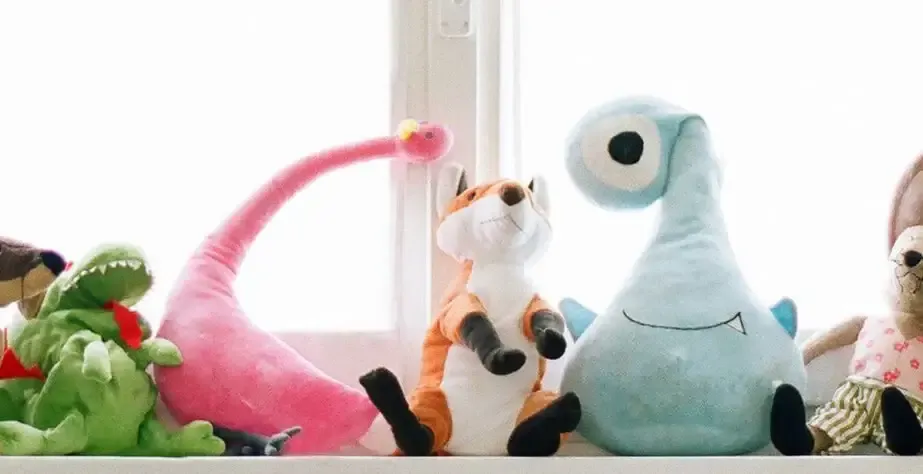
A “premium” soft plush toy is not only softer or prettier—it is proven safe. For international markets, safety and compliance are core parts of product quality, not separate topics.
Key standards and checks that often appear with high-quality soft plush toys include:
- EN 71 testing (Europe): mechanical & physical (Part 1), flammability (Part 2), and migration of certain elements (Part 3).
- CE marking for toys sold in the EU.
- ASTM F963 and CPSIA compliance for the USA: includes mechanical and chemical safety, as well as tracking labels and lead limits.
- ISO 8124 as an international reference.
- REACH checks for certain chemicals and substances in the EU.
Premium brands also pay attention to:
- Needle detection and metal control in the factory.
- Internal QC steps for seams, stuffing, and attachments.
- Clear labels for age grading, warnings, and care instructions.
Table 5 – Safety and compliance pillars for premium soft plush toys
| Safety Area | Typical Standards or Practices | Why It Signals “Premium” Level |
|---|---|---|
| Mechanical safety | EN 71-1, ASTM F963, ISO 8124-1 | Shows seams, attachments, and small parts are safe |
| Chemical safety | EN 71-3, REACH, CPSIA lead and phthalate limits | Reduces risk of harmful substances |
| Flammability | EN 71-2, ASTM F963 flammability requirements | Controls how quickly fabric burns |
| Factory metal control | Needle detection for each piece, tool tracking | Prevents hidden needle or metal fragments |
| Hygiene & cleanliness | Clean stuffing, no foreign materials inside | Increases trust for parents and caregivers |
| Labeling & traceability | CE mark, tracking labels, clear age and care info | Supports traceability and regulatory compliance |
When you talk with a manufacturer, ask: Which standards do your soft plush toys meet, and can you share recent reports? This one question will tell you a lot about how seriously they treat safety.
How do pricing, sourcing, and manufacturer reputation guide purchasing decisions?
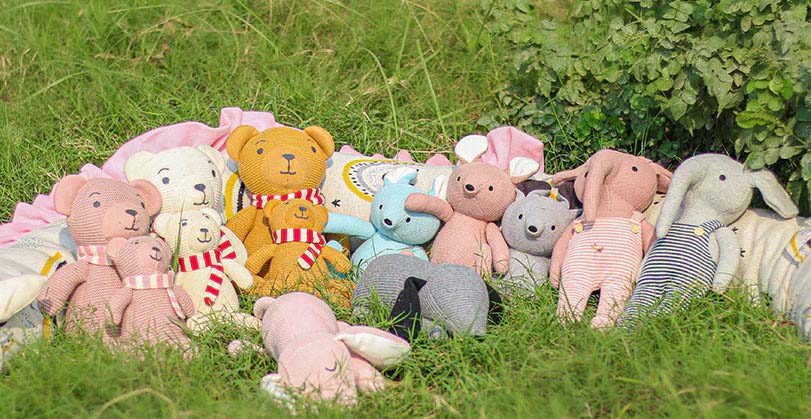
Soft plush toys sit at the crossroads of emotional value and business math. They must feel high-quality to customers, but also make sense in your budget and supply chain.
When buyers plan a new soft plush line, they often look at:
- Target retail price and expected margin.
- Ex-factory price and how it changes with size, fabrics, and details.
- MOQ (minimum order quantity) per design and per color.
- Lead times for samples and mass production.
- Shipping method and freight costs (sea, air, rail).
- Manufacturer reputation in terms of reliability and communication.
A slightly higher ex-factory price from a trusted, experienced manufacturer can be safer and cheaper in the long run than a very low price from a risky source. Hidden costs—delays, rework, failed tests, returns—can destroy profit quickly.
Table 6 – Commercial factors for choosing soft plush toy suppliers
| Decision Factor | Questions to Ask Yourself or Supplier | How It Affects Real Business Outcomes |
|---|---|---|
| Ex-factory price | Does the cost match the size, fabric, and detail level? | Impacts your retail price and profit margin |
| MOQ | Can I accept the minimum quantity per SKU and color? | Influences how many designs you can launch |
| Lead time | Are sample and production timelines realistic? | Affects launch dates and seasonal campaigns |
| Shipping & logistics | What is the total landed cost (product + freight + duty)? | Determines real profit after all costs |
| Communication quality | Does the factory reply clearly and on time? | Reduces misunderstandings and project delays |
| Reputation & history | How long has the factory run, and who have they served? | Suggests how stable they are as a partner |
When you find a manufacturer who provides stable quality, clear communication, and honest pricing, you gain more than a supplier—you gain a long-term partner for your soft plush strategy.
Conclusion
A truly good soft plush toy is not just soft. It is soft, safe, durable, and emotionally appealing, built on the right fabrics, fillings, design choices, and safety systems. When buyers combine careful material selection, smart design, strict compliance, and reliable manufacturing partners, they give their customers something they can trust and love for a long time. At Kinwin, we help global buyers create and source soft plush toys that meet these standards—from first concept to finished carton—so their brands can grow with confidence in competitive markets. If you’d like to explore new soft plush lines or upgrade existing products, you are welcome to contact me at [email protected] or visit kinwintoys.com to discuss how our factory can support your success.