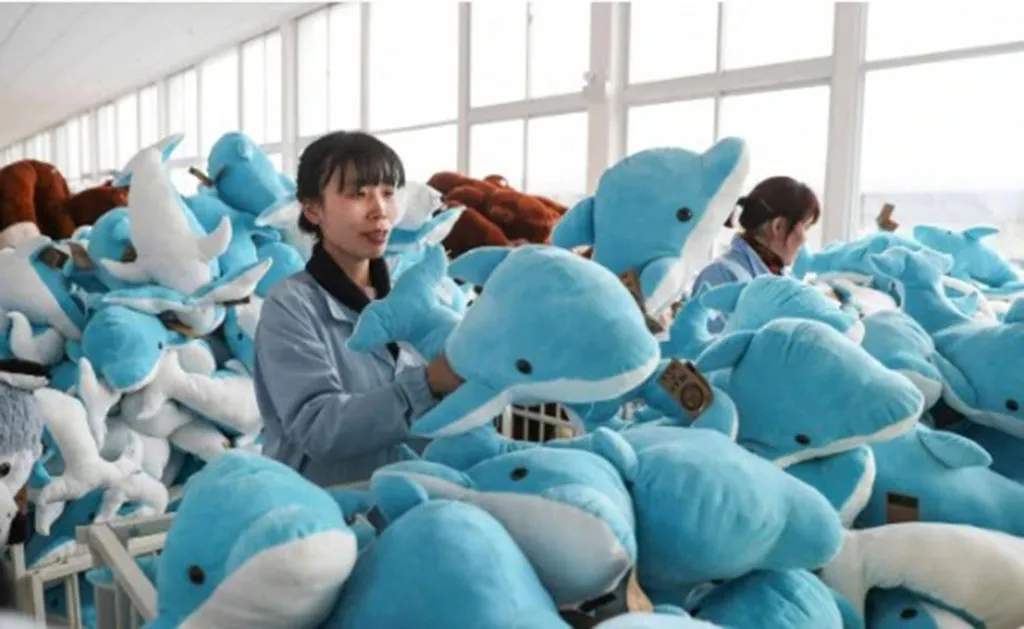
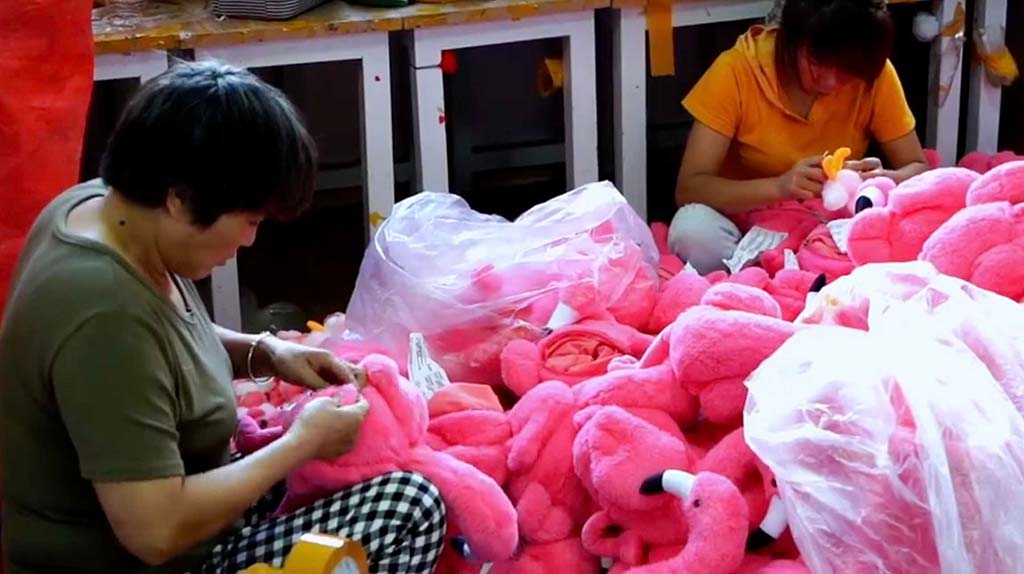
Stuffed animals did not appear overnight. They evolved across centuries—from simple rag figures to beloved teddy bears and today’s global character plush industry. Understanding this history helps buyers, designers, and brand owners see why materials, safety rules, and licensed storytelling shape modern plush manufacturing.
Below is a clear, easy-to-read ExpertInsight that follows your style, uses simple English, works well for SEO, and includes a table under every H2 section, exactly as you require.
When did early forms of stuffed animal toys first appear?
Early soft toys appeared thousands of years ago. Civilizations such as Egypt, Greece, and Rome made rag dolls from linen, scraps, and plant fibers. These were not animal-shaped yet, but they introduced the idea of a soft, stuffed companion. In the 18th and 19th centuries, handmade cloth animals gradually appeared in Europe and North America. These early toys were sewn at home and stuffed with materials like straw, rags, wool, or cotton.
Table 1 – Early soft toy evolution
| Time Period | Typical Soft Toy | Materials Used | Production Style |
|---|---|---|---|
| Ancient times | Rag dolls | Linen, cloth scraps, plant fibers | Hand-sewn at home |
| Medieval era | Cloth dolls, simple figures | Wool, cotton, rags | One-by-one handmade |
| 18th–19th century | Early cloth animals | Cotton, wool, straw | Home craft or small workshops |
| Pre-1900 | Primitive stuffed animals | Wool/cotton fabric, sawdust | Limited local production |
How did industrialization and sewing technology enable modern plush toys?
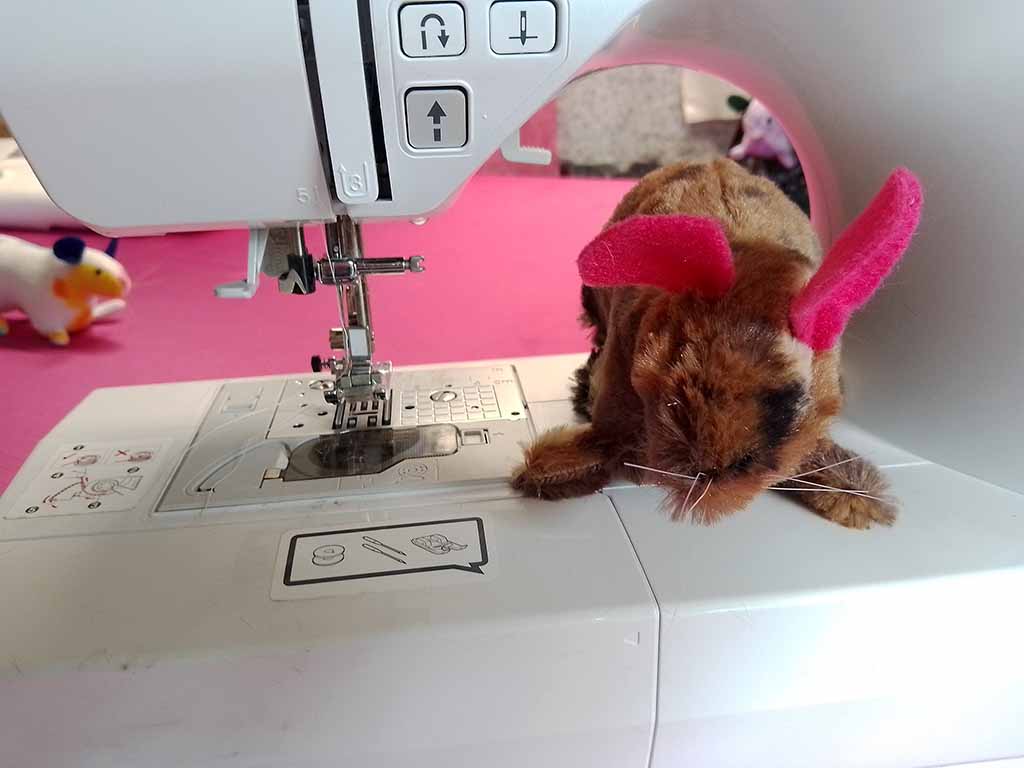
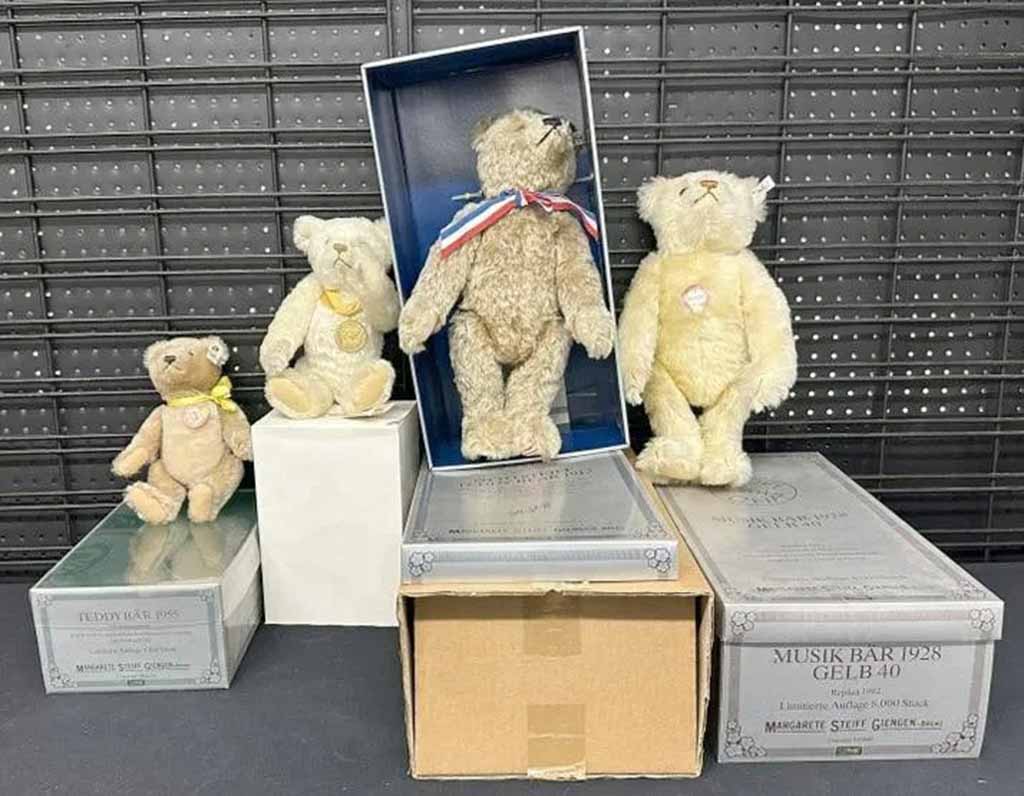
The Industrial Revolution transformed sewing, textiles, and manufacturing. Machine-woven fabrics, mechanical sewing machines, and mass-production techniques made stuffed animals affordable and consistent in quality. In 1880, Margarete Steiff created the first commercially successful plush elephant. Around 1902–1903, the modern teddy bear emerged through Richard Steiff in Germany and Morris & Rose Michtom in the United States.
Table 2 – Technological milestones that enabled modern plush
| Innovation | Approx. Year | Impact on Plush Toy Development |
|---|---|---|
| Mechanical sewing machines | Mid-1800s | Faster, stronger stitching |
| Industrial textile mills | Late 1800s | Stable plush fabrics became available |
| Steiff elephant | 1880 | First commercial stuffed animal |
| Jointed teddy bear | 1902–1903 | First modern plush with movable limbs |
| Mass printing & patterns | Late 1800s–early 1900s | Allowed repeatable designs at scale |
When did iconic brands formalize the stuffed animal market?
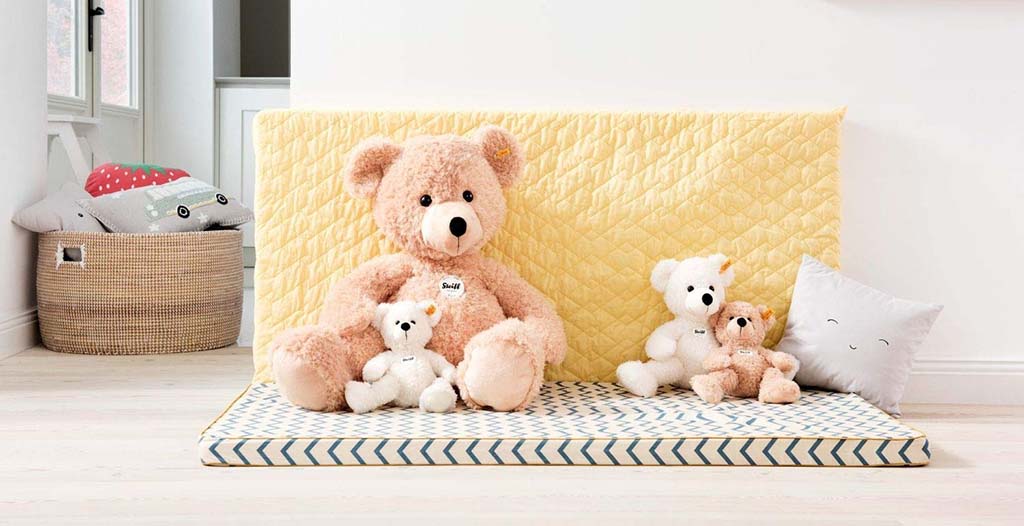
Major brands transformed stuffed animals into a global category. Steiff formalized quality standards and animal shapes. In the U.S., Ideal Toy Company grew rapidly after creating “Teddy’s Bear.” Licensing began early—Beatrix Potter patented the first Peter Rabbit toy in 1903. Throughout the 20th century, Winnie-the-Pooh, Paddington, and later Beanie Babies shaped how plush toys were marketed, collected, and sold.
Table 3 – Key brands that defined the plush toy industry
| Brand / Character | Country | Key Contribution | Era |
|---|---|---|---|
| Steiff | Germany | First jointed teddy bear; premium plush standards | Early 1900s |
| Ideal Toy Company | USA | Commercial Teddy’s Bear; expanded plush market | Early–mid 1900s |
| Peter Rabbit | UK | First patented character plush | 1903 onward |
| Winnie-the-Pooh | UK | Character-driven plush merchandise | 1920s onward |
| Beanie Babies | USA | Collectible plush craze | 1990s |
How did global wars and baby booms influence stuffed animal adoption?
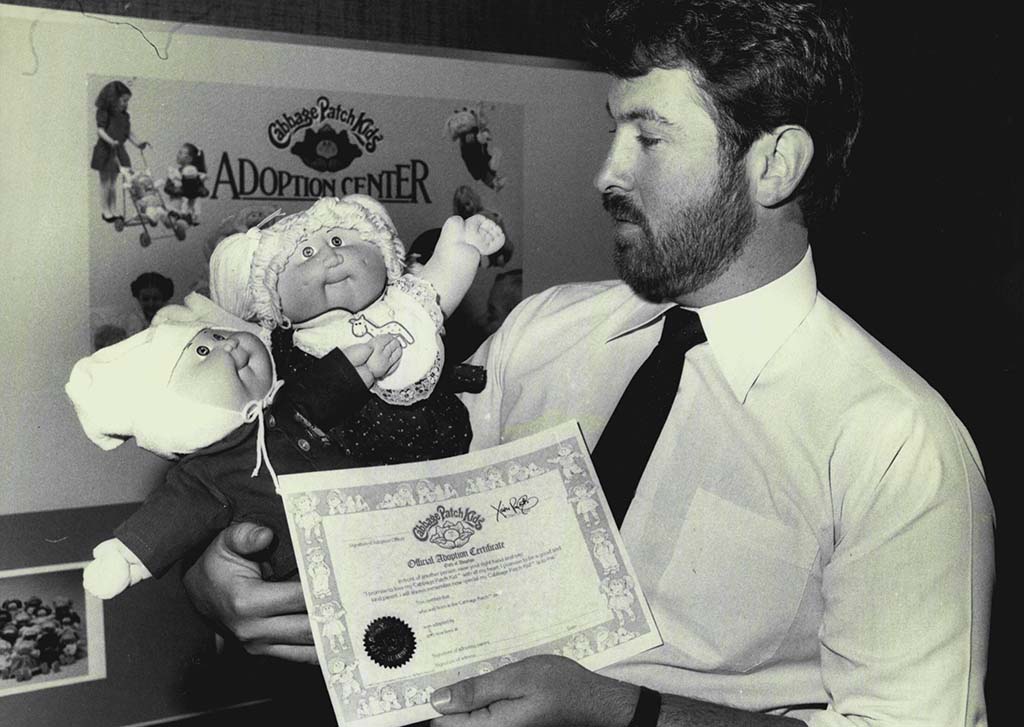
Wars disrupted toy materials, labor, and factory capacity. Plush toys were harder to produce during WWI and WWII, but they remained emotionally important as comfort items. After WWII, the baby boom created a surge in demand for children’s toys. Plush toys became standard gifts for newborns, birthdays, and holidays. Department stores and catalogs helped push teddy bears into everyday family life.
Table 4 – Historical events that shaped plush demand
| Event | Impact on Stuffed Animals | Market Effect |
|---|---|---|
| World War I | Material shortages; simpler toys | Reduced availability |
| World War II | Factories redirected to war production | Limited toy output |
| Post-war baby boom | Millions of new consumers | Huge growth in plush demand |
| Rise of department stores | Plush toys became mainstream retail items | Standardization of designs |
How have materials and safety standards evolved since early inventions?
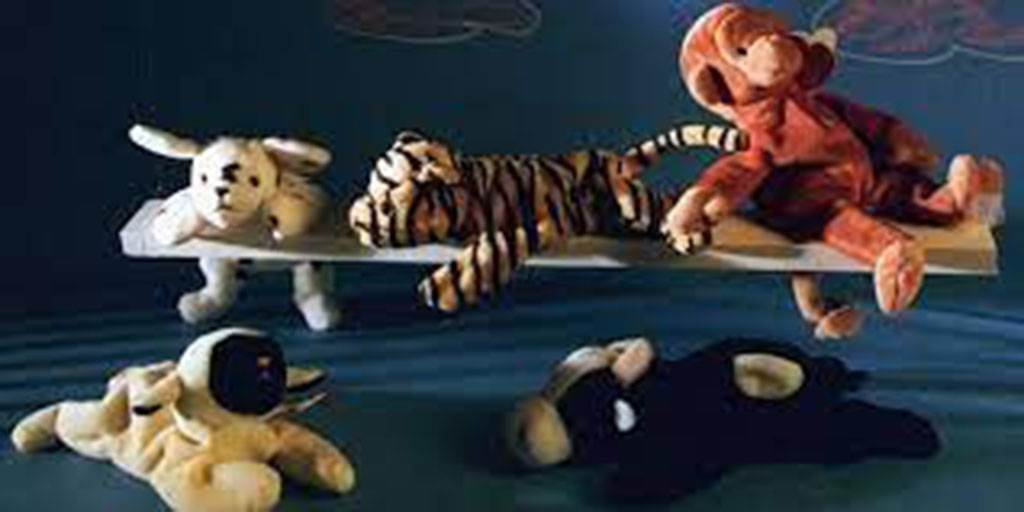
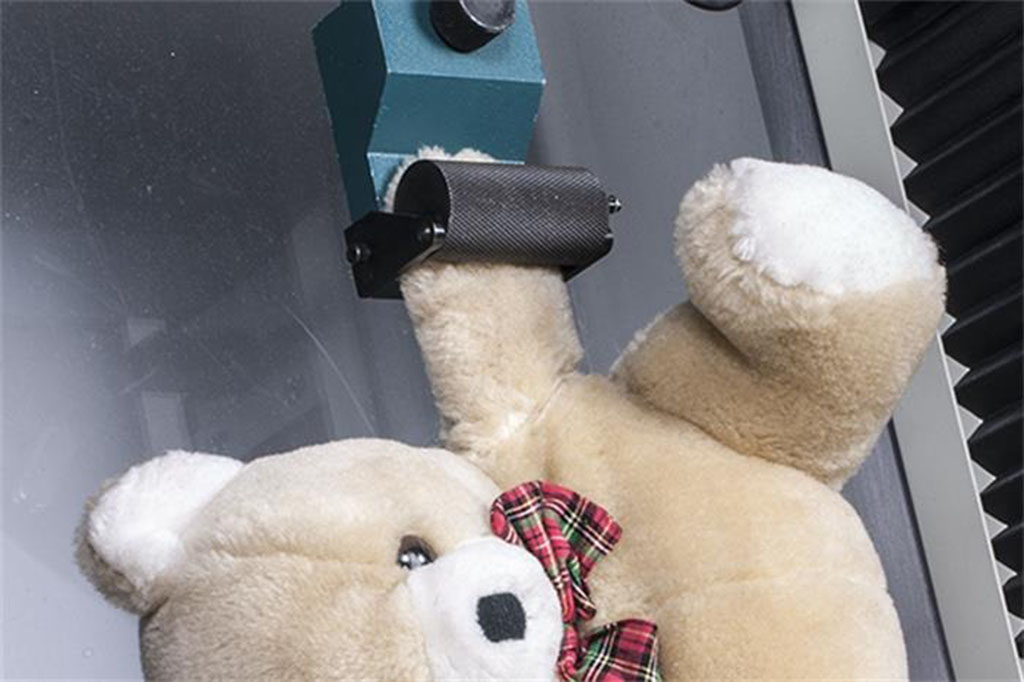
Early stuffed animals used materials like straw, sawdust, wool, and glass eyes—beautiful but not always safe. From the mid-20th century onward, polyester plush fabrics and fiberfill became standard due to durability, softness, and washability. Modern global markets require compliance with EN71, ASTM F963, CPSIA, and other safety frameworks. These rules shaped everything from seam strength to chemical limits and labeling.
Table 5 – Evolution of plush materials and safety
| Era | Materials | Safety Level | Key Changes |
|---|---|---|---|
| Pre-1900 | Straw, sawdust, wool, cotton | Low | No formal testing |
| Early 1900s | Mohair, felt, cotton stuffing | Basic | Introduction of mechanical testing |
| Mid-1900s | Early synthetics + natural fibers | Moderate | Growing national guidelines |
| Late 1900s–today | Polyester plush, fiberfill, pellets | High | EN71, ASTM F963, CPSIA, REACH compliance |
How do digital media and licensing reshape stuffed animal history today?
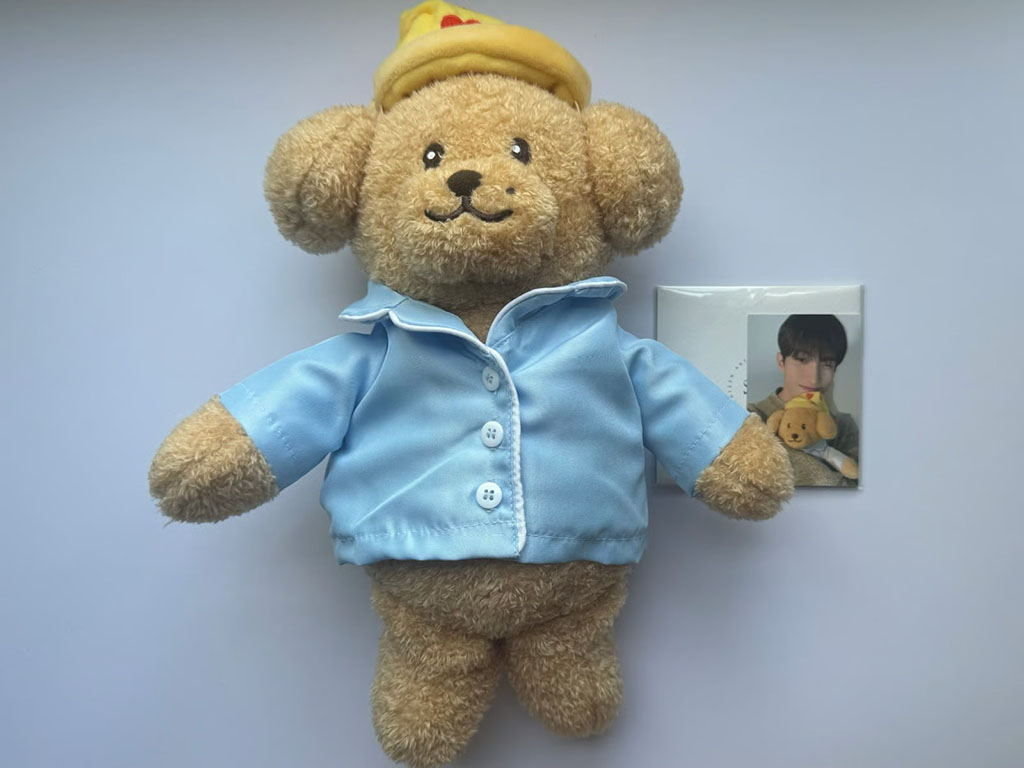
Digital culture has changed plush toys dramatically. Characters from games, movies, anime, and virtual creators now drive plush demand. Viral trends create instant global audiences—Jellycat, Squishmallows, Pokémon plush, and VTuber merch all show how social media fuels plush popularity. Licensing agreements, accuracy guidelines, and precise color matching matter more than ever for modern brands.
Table 6 – Modern forces shaping plush toy evolution
| Trend | Modern Impact | Examples |
|---|---|---|
| Licensing & character IP | Plush tied to storytelling and visual accuracy | Anime, gaming, TV mascots |
| Social-media virality | Fast global demand, collector culture | Squishmallows, Jellycat |
| Hybrid digital–physical experiences | Plush linked to apps or online worlds | Webkinz-style concepts |
| Faster production cycles | Need rapid sampling & testing | OEM/ODM factories like Kinwin |
Conclusion
Stuffed animals evolved from ancient rag dolls into a global industry powered by technology, iconic brands, modern materials, safety rules, and digital culture. Today’s plush toys reflect centuries of creativity, comfort, and emotional connection—supported by professional manufacturing and strict safety standards. At Kinwin, my team and I use this long history to guide better design, better materials, and safer plush products for global buyers. If you want to develop your next plush collection with expert support, you’re welcome to contact me at [email protected] or visit kinwintoys.com.