When people say “plushy” (or “plushie”), they usually mean one thing: a soft, huggable toy that feels good to hold and looks cute on a bed, sofa, or shelf. But in today’s toy market, a plushy is also a product category with clear expectations for materials, safety, design, and durability.
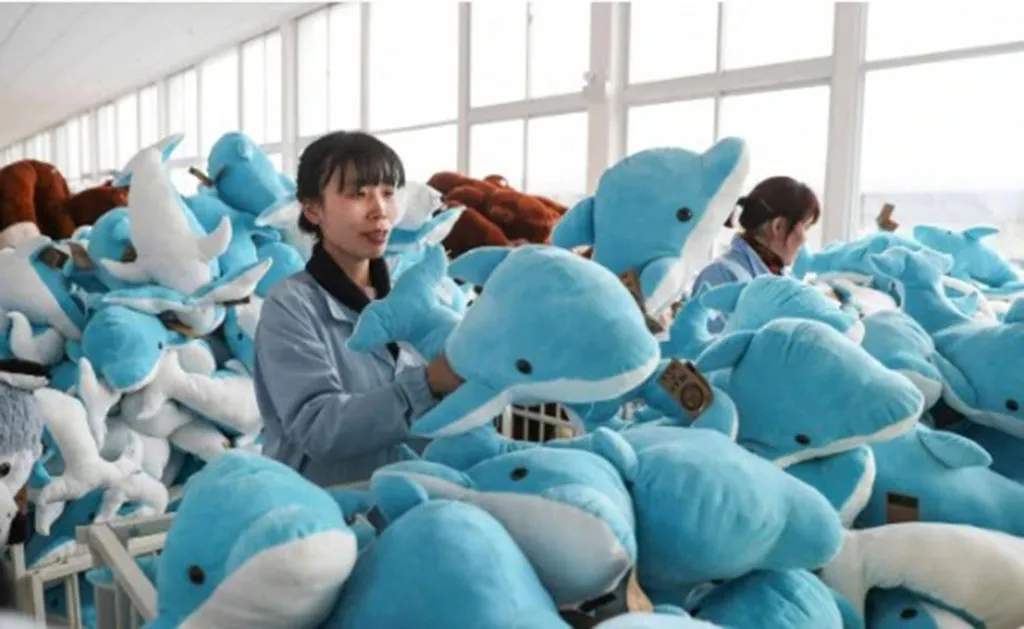
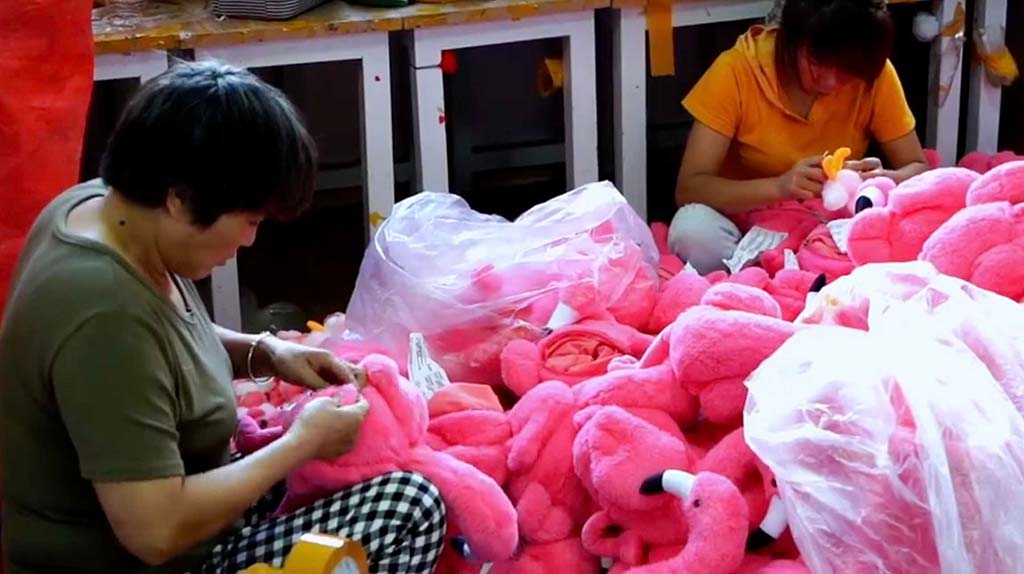
As a plush toy manufacturer in China, I work every day with brand owners, retailers, and e-commerce sellers who ask, “What exactly counts as a plushy, and how do we make it feel premium?” In this guide, I’ll share how I define a plushy from a factory and market point of view, so you can choose, design, or source them with more confidence.
What defines a plushy in today’s toy market?
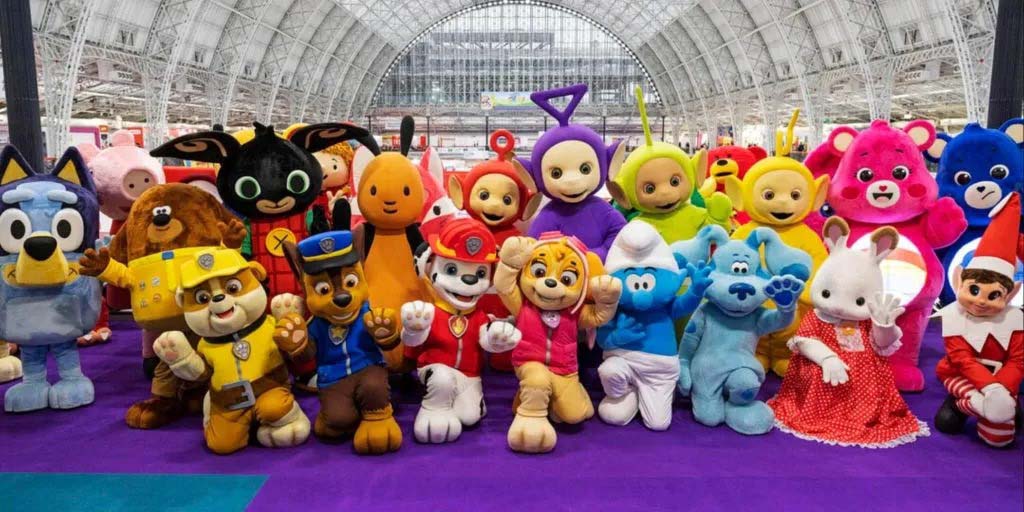
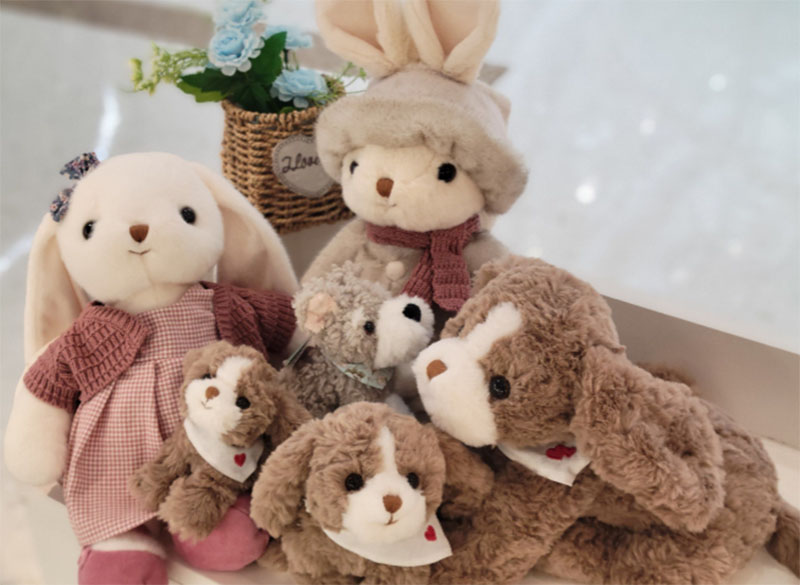
In simple words, a plushy is a soft, stuffed figure made from plush (pile) fabric, usually designed to be hugged, displayed, or collected. It can be an animal, a character, a food shape, or a fantasy creature—but the core idea is always the same: soft surface + stuffed interior + emotional appeal.
In today’s market, the word “plushy” usually implies:
- A 3D stuffed toy (not a flat cloth item only).
- Plush fabric on the outside, with a fuzzy or velvety surface.
- A clear personality through face, color, and shape.
- A product made for comfort, play, decor, or collection.
So, all plushies/plushies are soft toys, but not every soft toy is a plushy. If the product has no plush fabric, or it is mainly foam or plastic, most buyers will not call it a plushy.
How a plushy fits into the wider toy world
You can imagine plushies as one group inside the bigger “soft toy” family:
Table 1 – Plushy vs. other soft toy types
| Category | Main Materials & Structure | Typical Use | Usually Called “Plushy”? |
|---|---|---|---|
| Plushy / plushie | Pile fabric (minky, velboa, faux fur) + stuffing | Hugging, decor, collecting, comfort | Yes |
| Soft cloth doll | Woven or knit fabric, little or no pile | Baby dolls, fabric dolls | Often called “soft doll,” not plushy |
| Knitted / crochet toy | Yarn with visible stitches, stuffed inside | Handmade gifts, amigurumi | Usually “knit toy,” not plushy |
| Foam-based soft toy | Foam or sponge core with fabric cover | Pillows, some cushions | Rarely called plushy |
| Inflatable soft item | Air-filled plastic / PVC | Pool toys, novelty items | Not a plushy |
If your toy uses plush fabric, is stuffed, and has a character or shape that invites hugging, you are almost always in the plushy category.
How do fabrics and fillings determine plushy softness and durability?
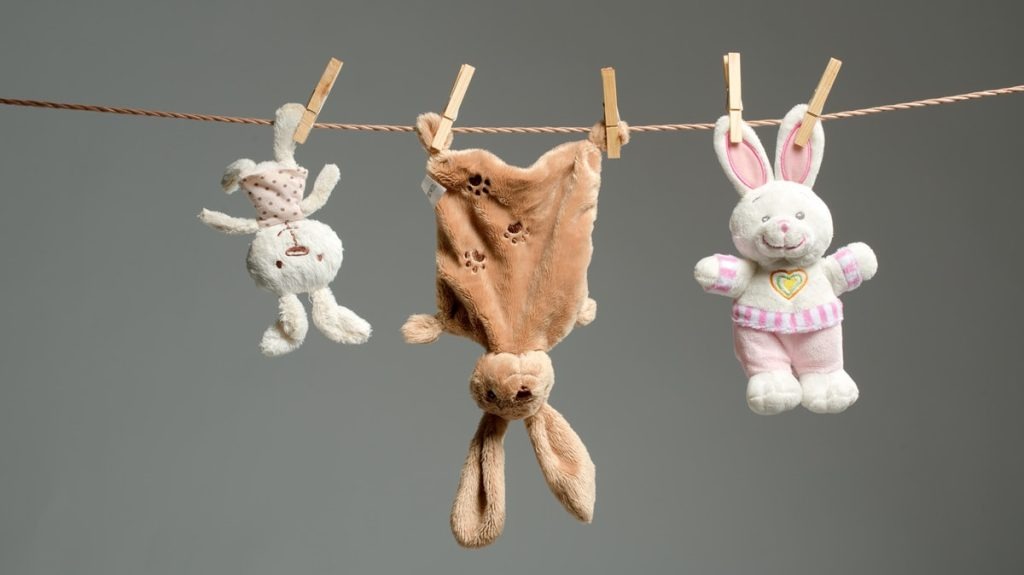
The “first impression” of a plushy is always about feel: how soft it is, how it springs back, and whether it keeps that feeling over time. This comes from the combination of:
- Fabrics (outer shell)
- Fillings (inner stuffing and weight)
If the fabric is rough or the filling is hard and lumpy, the plushy will not become a favorite—even if the design is cute.
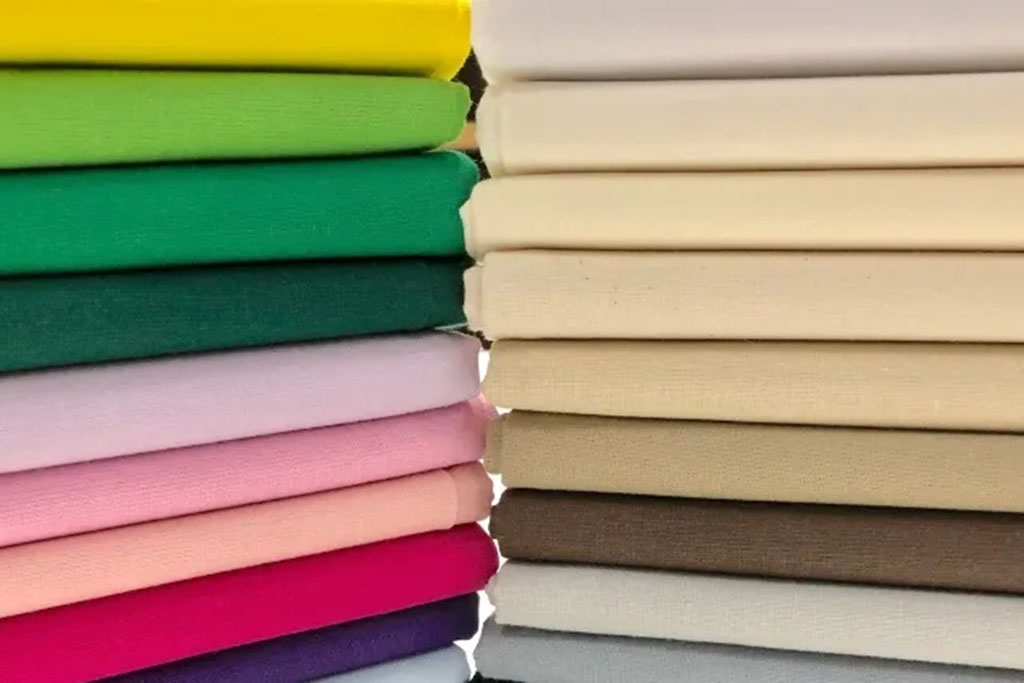
Common fabrics used for modern plushies
For most of our OEM & ODM projects at Kinwin, we work with a few main plush fabrics:
- Short plush / velboa – smooth and neat, good for mascots and clear shapes.
- Minky / micro plush / coral fleece – very soft, often used for baby and cuddle-focused plushies.
- Faux fur – long or medium pile, great for bears, animals, and fantasy creatures.
Common fillings for plushies
Inside, most plushies use polyester fiberfill. For special products, we may add:
- High-resilience fiber for better bounce and long-term softness.
- Recycled fiberfill for eco-focused collections.
- Plastic pellets or glass beads in small inner pouches to add gentle weight.
Table 2 – How fabrics and fillings shape plushy quality
| Component | Typical Options | Effect on Softness & Durability |
|---|---|---|
| Outer fabric | Short plush / velboa | Clean look, smooth touch, durable for daily use |
| Outer fabric | Minky / micro plush | Ultra-soft, cozy feel, strong cuddle impression |
| Outer fabric | Faux fur (short or long) | Fluffy, dramatic; can hide seams, needs good control |
| Filling | Standard polyester fiberfill | Light, soft, easy to shape, standard durability |
| Filling | Premium/high-resilience fiber | Softer squeeze, better shape retention over time |
| Filling | Recycled polyester fiber | Similar feel; adds sustainability story |
| Added weight | Pellets or beads in inner pouches | More grounded feeling, better sitting stability |
Softness is not only about “more stuffing.” A well-balanced plushy has enough filling to keep its shape but still compresses nicely when hugged. Overstuffing makes it hard; understuffing makes it floppy and cheap.
Which design elements shape a plushy’s appearance and function?
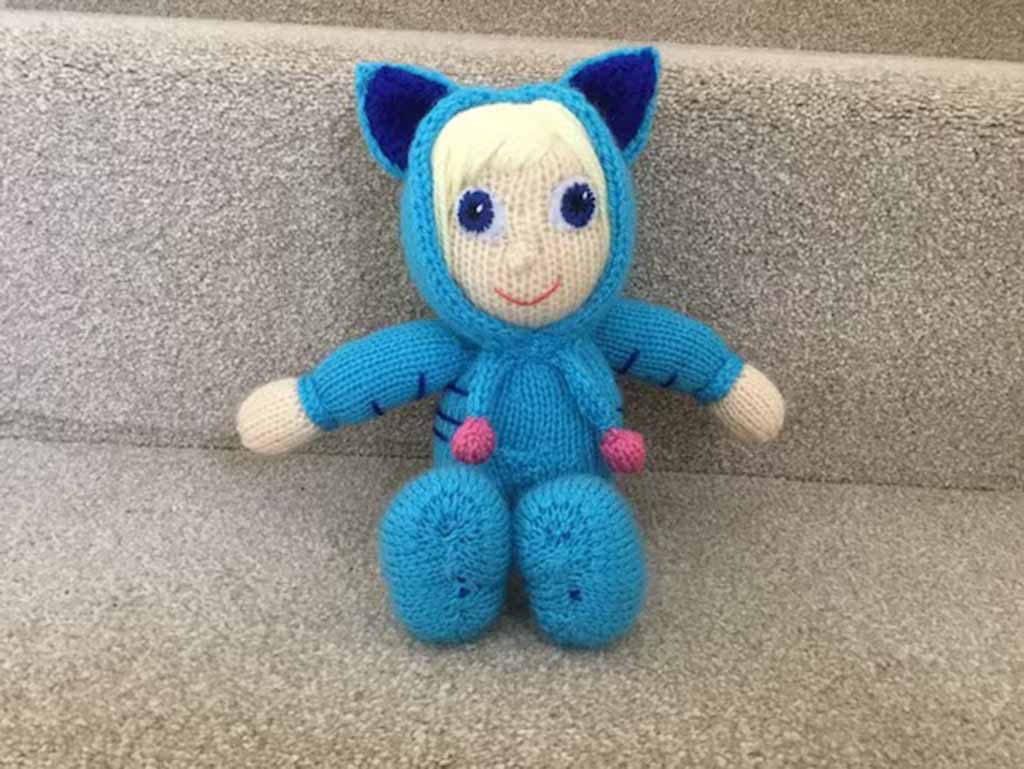
Design decides whether a plushy feels like a toy for kids, a collectible for fans, or a decor piece for adults. It also controls how easy it is to hug, display, and photograph.
When I help clients design plushies, I always think about:
- Face – style of eyes, nose, and mouth.
- Proportions – head-to-body ratio, limb size, body width.
- Shape – round, long, flat, or pillow-like.
- Color and texture – palettes and surface variations.
Together, these elements give the plushy a personality and a function: sleep buddy, desk friend, mascot, or collectible.
Key design elements and their impact
Table 3 – Design choices that shape how a plushy looks and works
| Design Element | Typical Options | Effect on Appearance & Function |
|---|---|---|
| Facial style | Big eyes, minimal eyes, embroidered features, 3D nose | Sets mood: cute, calm, silly, cool, elegant |
| Proportions | Chibi (big head), realistic, stylized | Influences age appeal and “cuteness level” |
| Body shape | Round, long, flat, pillow-like, sitting | Changes hug feel, storage, and display style |
| Color palette | Pastels, brights, neutrals, monochrome | Connects to babies, kids, teens, adults, fandoms |
| Surface texture | All smooth or mixed plush & faux fur patches | Adds visual interest and sensory variety |
| Accessories | Clothes, hats, bags, embroidery details | Adds personality; must be designed with safety in mind |
For example:
- A round pastel plushy with simple eyes feels calming and fits “aesthetic” bedroom decor.
- A bright plushy with expressive eyes may be more appealing to children and gift buyers.
- A long body plushy works well as a hug pillow for side sleepers.
Function always starts from design. When you know where and how people will use the plushy, you can adjust shape and details to support that experience.
How are plushies categorized by style, purpose, and audience?
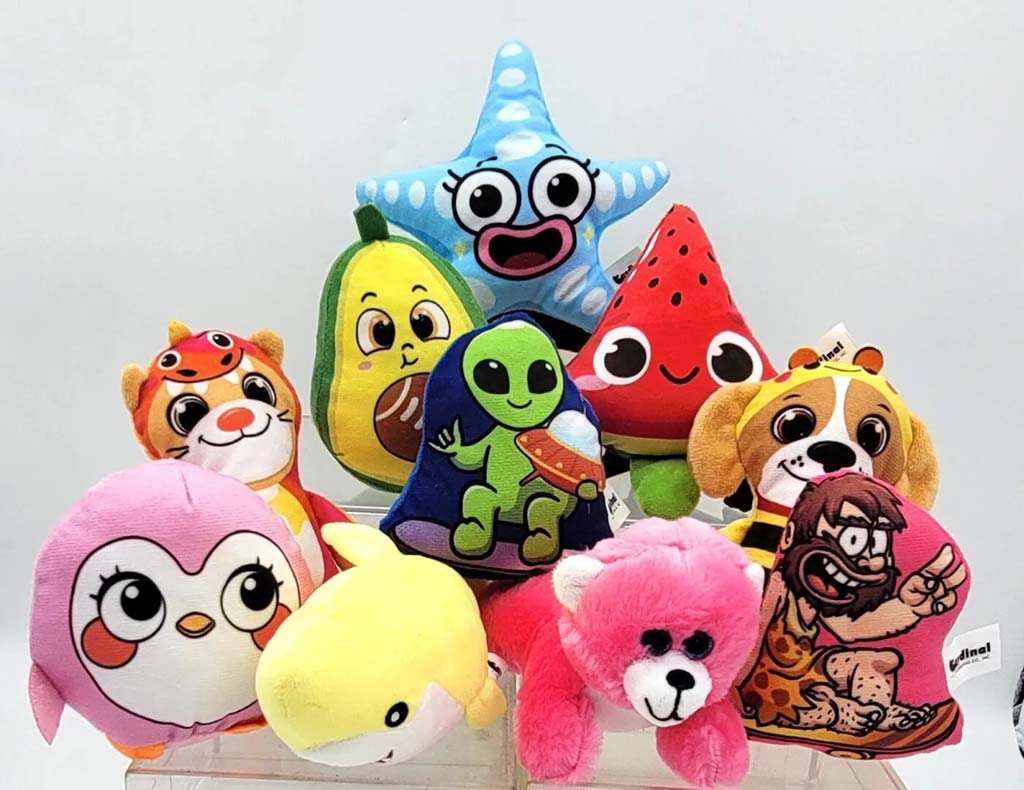
“Plushy” is a big umbrella. To plan a product range or choose the right products for your shop, it helps to sort plushies by:
- Style (classic, kawaii, realistic, chibi, etc.)
- Purpose (play, comfort, decor, fandom, gifts).
- Audience (babies, kids, teens, adults, collectors).
At Kinwin, I often start discussions with buyers by defining these three areas clearly.
Common plushy categories in the market
Table 4 – Plushy categories by style, purpose, and audience
| Category Type | Description | Main Audience / Use |
|---|---|---|
| Classic animal plushies | Bears, bunnies, cats, dogs, etc. in friendly style | Kids, families, general gifts |
| Kawaii / chibi plushies | Big heads, tiny bodies, minimal faces | Teens, young adults, “cute room” aesthetic |
| Character / fandom plushies | Based on anime, games, brands, mascots | Fans, collectors, community-driven buyers |
| Baby & toddler plushies | Soft textures, gentle colors, embroidered faces | Babies, parents who focus on safety and comfort |
| Weighted / calming plushies | Slightly heavier plush designed for comfort | Teens, adults, some children needing grounding |
| Decorative plush cushions | Flat or pillow-like plush with faces or art | Home decor, sofa and bed styling |
| Mini & keychain plushies | Tiny plush with loop or chain | Bag charms, gifts, blind boxes, impulse buys |
Most successful plushy brands mix several categories to meet different needs:
- A main character plushy in medium size.
- A mini keychain version for bags.
- A large body pillow version for bedroom or couch.
This helps customers build a little “family” of plushies around one character or theme.
What safety and compliance standards apply to plushy production?
Plushies are soft and cute, but from a legal and professional view, they are still toys. This means they must meet strict safety and compliance standards, especially when sold in the USA, Europe, and other regulated markets.
As a factory, safety is one of our main responsibilities. For export plushies, we often work with standards like:
- EN71 series and CE marking for Europe.
- ASTM F963 and CPSIA for the USA.
- REACH for certain chemicals in the EU.
- Other national standards that mirror these rules.
Even when plushies are aimed at teens or adults, many professional buyers still require toy-level testing, because it protects both the end user and the brand.
What we check in safe plushy production
From a production point of view, safety means more than “no sharp things.” We look at:
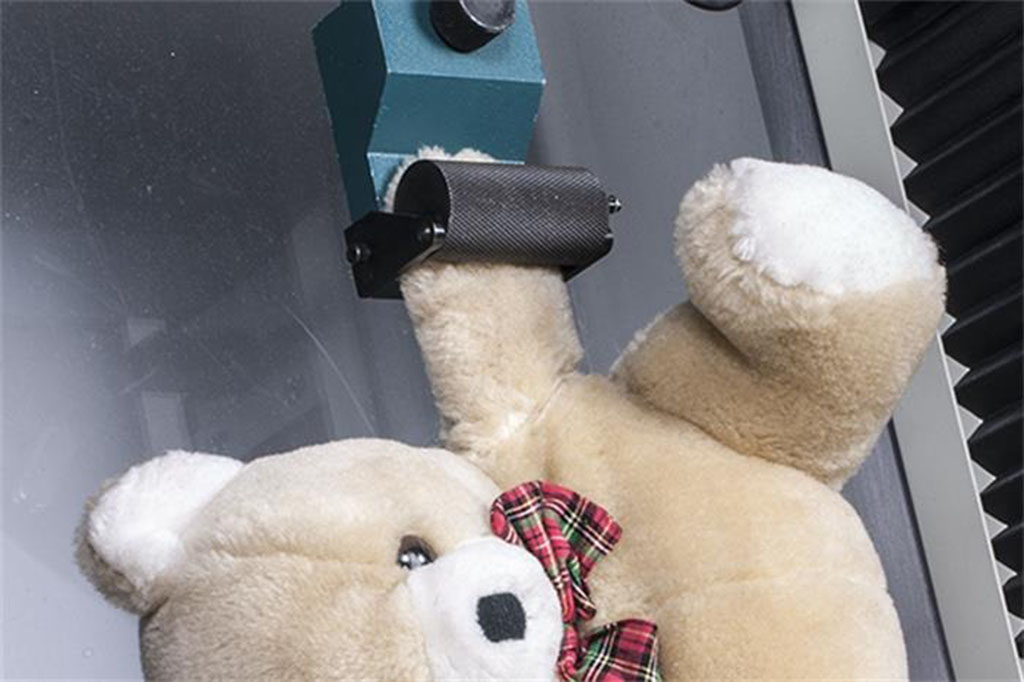
- Mechanical safety (pull tests on parts and seams).
- Chemical safety (heavy metals, certain plasticizers, and other restricted substances).
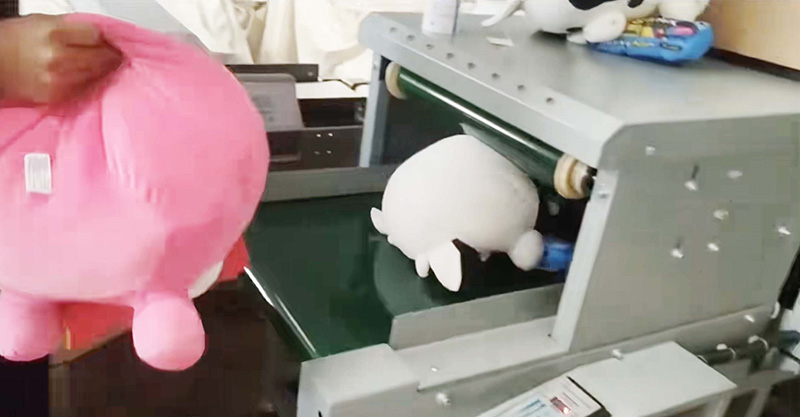
- Cleanliness (no foreign objects or dirty stuffing).
- Needle and metal detection during production.
- Correct labeling and age recommendations.
Table 5 – Key safety and compliance aspects for plushies
| Safety Area | What It Covers | Why It Matters |
|---|---|---|
| Mechanical safety | Strength of seams, eyes, noses, and attachments | Prevents parts from breaking off and choking |
| Chemical safety | Limits on heavy metals, certain chemicals and dyes | Protects children from harmful substances |
| Flammability | How fabric behaves near flame | Reduces risk of fast, dangerous burning |
| Cleanliness & hygiene | Clean stuffing, no sharp or foreign objects inside | Ensures plush is safe to hug and handle |
| Needle detection | Checks for broken needles or metal fragments | Prevents hidden metal hazards |
| Labeling & age marks | Correct age grading and safety warnings | Helps buyers choose suitable products |
For brand owners and retailers, it is important to:
- Ask your supplier which standards they follow.
- Request recent test reports for similar or identical items.
- Confirm they use needle detection and have basic QC steps.
When safety is handled properly, you can confidently focus on design, marketing, and customer experience, knowing the base of your plushy line is solid.
Conclusion
A plushy today is more than just a soft toy. It is a carefully designed product that combines plush fabrics, balanced fillings, thoughtful shapes, clear categories, and strict safety standards. When you understand what truly defines a plushy—soft surface, safe structure, and emotional appeal—you can create or choose products that customers love to hug, display, and keep for many years.
At Kinwin, my team and I help global buyers turn sketches and ideas into plushies that feel good in the hand, look professional on the shelf, and meet the safety requirements of major markets. If you are planning a new plushy collection or want to improve your current range, you are very welcome to contact me at [email protected] or visit kinwintoys.com to explore how our factory can support your long-term success.