Skip to content
Plush is more than just “soft fabric.” In textiles and toy manufacturing, plush is a whole world of fibers, pile heights, textures, and production methods that decide how a product feels, looks, and performs over time.
In simple terms, “plush” refers to fabrics with a soft, raised pile and a cozy, velvety touch, commonly used in stuffed animals, blankets, cushions, and lifestyle products. Good plush combines gentle hand-feel, stable color, controlled shedding, and enough durability to survive daily hugs, washing, and use in real homes and stores.
When I work with global buyers at Kinwin, we don’t just ask, “Is it soft?” We ask, “What is this plush about—where will it be used, how should it feel, and how long must it last?” In this guide, I’ll walk you through how I look at plush as both a textile and a finished product material.
What does “plush” refer to in textiles and toy manufacturing?
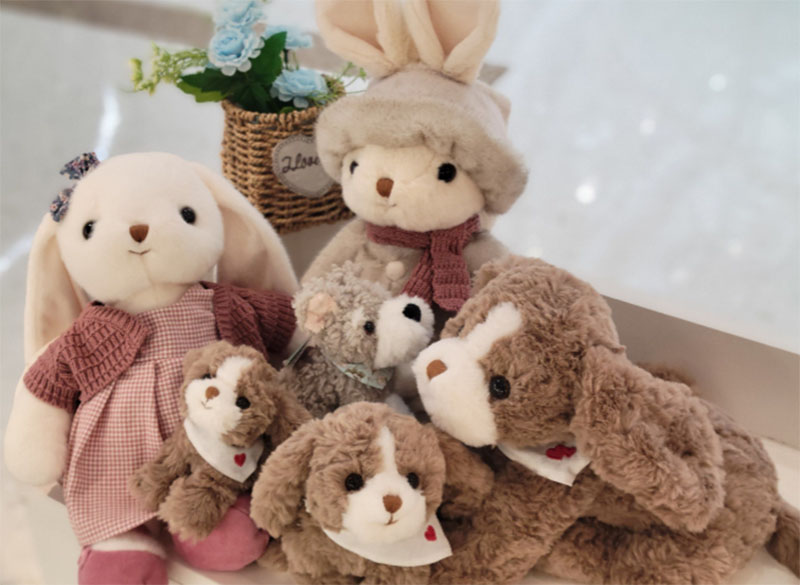
In modern textile and toy language, plush is a fabric with a raised pile (tiny upright fibers) that creates a soft, fuzzy surface. The backing is usually knit or woven, and the pile can be short like suede or long like faux fur.
In manufacturing, when we say something is “plush,” we’re usually talking about:
- Pile fabrics used for stuffed animals, plush toys, throws, and cushions.
- Soft-touch surfaces that give a luxurious or cozy feeling.
- Material families like velboa, minky, coral fleece, and faux fur.
So “plush” is both a category of fabric and a shorthand for a certain sensory experience: warm, soft, and inviting.
Where manufacturers use the word “plush”
From the factory side, we use “plush” in different contexts:
Table 1 – How “plush” is used in industry language
| Term in Use | What It Usually Means | Example in Real Projects |
|---|---|---|
| Plush fabric | Any pile fabric with soft, raised surface | Velboa for mascots, minky for baby plush |
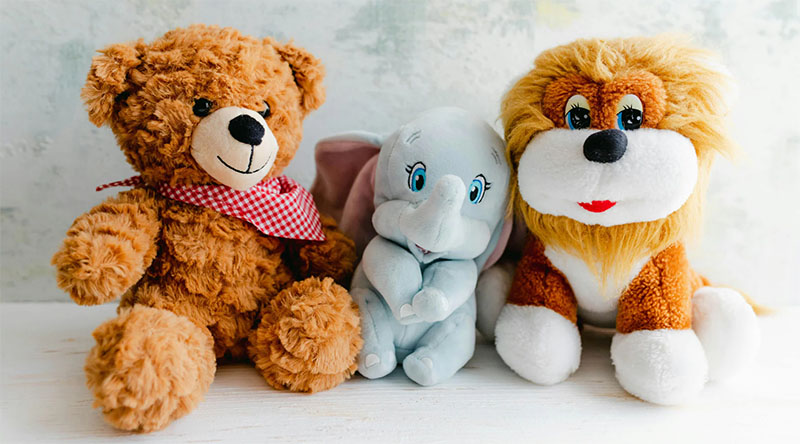
| Plush toy / plushie | Stuffed toy with plush fabric outer shell | Teddy bears, characters, cushions with faces |
| Plush throw | Blanket made with plush or fleece-type fabric | Sofa throw, bed throw, travel blanket |
| Plush finish | Surface treatment that gives extra softness and sheen | Brushed and sheared fabrics for premium feel |
| Ultra-plush / super-soft | Marketing phrase for higher-density, softer fabrics | High-end cushions, luxury plush animals |
For buyers, “plush” is often a promise: this product will feel nice to touch. For factories like Kinwin, it is a set of technical decisions—fiber type, pile length, density, and backing structure.
How do fibers, pile structures, and fabrics define plush qualities?
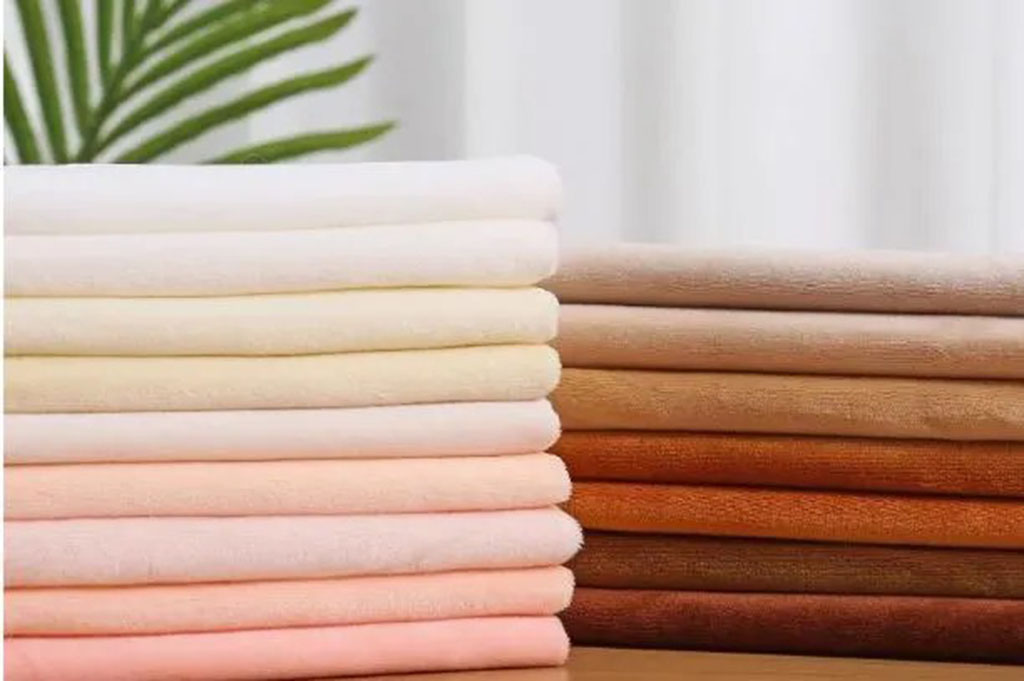
Plush quality starts with fiber choice and pile construction. Even two fabrics that look similar can feel very different once you touch them or wash them a few times.
Most modern plush fabrics for toys and home goods are made from polyester or polyester blends. This is because polyester gives:
- Soft hand-feel
- Good color fastness
- Dimensional stability
- Easier care compared with many natural-pile options
Then come the pile structure and fabric type:
- Short pile (like velboa) – neat, smooth, good for clear shapes and printing.
- Medium pile (typical minky) – very soft, cozy, common in baby and cuddle plush.
- Long pile (faux fur) – dramatic, fluffy, great for bears and fantasy animals.
Fiber, pile, and fabric combinations
Here’s how the main elements work together:
Table 2 – How fibers and pile structures define plush behavior
| Component | Common Options | Effect on Feel & Performance |
|---|---|---|
| Fiber type | Polyester (standard) | Soft, durable, easy to dye, good price–performance |
| Fiber type | Recycled polyester | Similar feel, adds sustainability story |
| Backing structure | Knit (most common for toys) | Good stretch and drape; easier for complex shapes |
| Backing structure | Woven (some home textiles) | More stability, less stretch |
| Pile height | Short (1–3 mm) | Clean look, less snagging, ideal for embroidery/printing |
| Pile height | Medium (3–6 mm) | “Plush plush,” very soft, strong cuddle impression |
| Pile height | Long (10+ mm, faux fur) | Fluffy, high volume, hides seams but needs more care |
| Pile density | Low–medium | Lighter weight, but can look flat over time |
| Pile density | High | Rich, full appearance; often feels more “premium” |
When I help a buyer choose fabrics, I always ask: Who will use this product, and how often? For a baby plush, we focus on gentle touch and easy washing. For a luxury faux-fur cushion, we might accept more volume and drama but pay attention to shedding control.
How is plush used across toys, home goods, and lifestyle products?
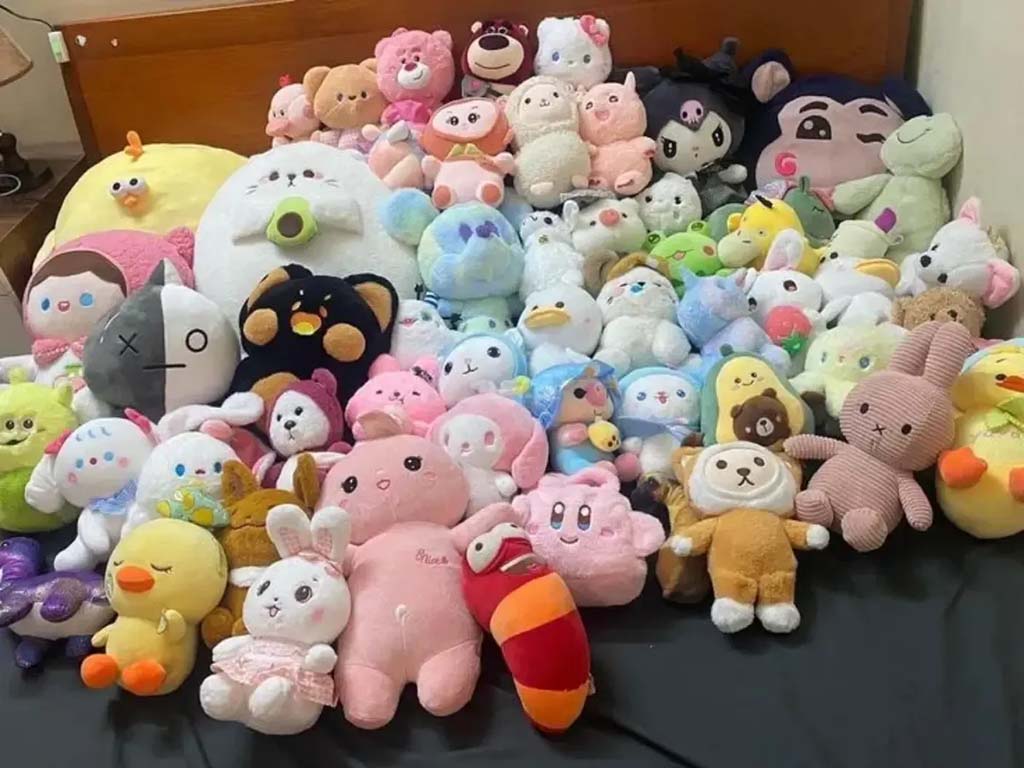
Plush is not limited to teddy bears. Today it appears everywhere:
- Toys and plushies
- Home textiles
- Fashion and accessories
- Lifestyle and decor items
Each category demands a slightly different balance of softness, durability, and design flexibility.
Main application areas of plush
Table 3 – Key product categories that rely on plush fabrics
| Category | Typical Plush Products | Key Requirements from the Material |
|---|---|---|
| Toys & plushies | Stuffed animals, characters, mascots, cushions | Soft, safe, colorfast, able to pass toy standards |
| Baby goods | Comforters, soft books, baby blankets, rattles | Extra gentle, low shedding, strong seams |
| Home textiles | Throws, cushions, seat covers, robes | Warmth, durability, good drape, easy care |
| Fashion & accessories | Plush bags, slippers, hats, scarves, keychains | Visual impact, resistance to wear, color stability |
| Seasonal & gifts | Holiday mascots, Valentine bears, themed pillows | Attractive textures, strong brand or theme fit |
| Pet products | Dog plush toys, pet beds, plush covers | Higher toughness, safe construction, washability |
As an OEM & ODM factory, we mainly focus on plush toys and related items. But the same materials and quality logic can apply when a client wants to connect their plush toy line with plush home decor or plush accessories, creating a consistent brand experience.
For example:
- A brand mascot plush + a matching plush cushion + a small plush keychain.
- A baby animal plush + matching baby blanket in the same minky fabric.
When the plush fabric story is unified, the whole collection feels more professional and intentional.
What factors differentiate plush from other soft materials?
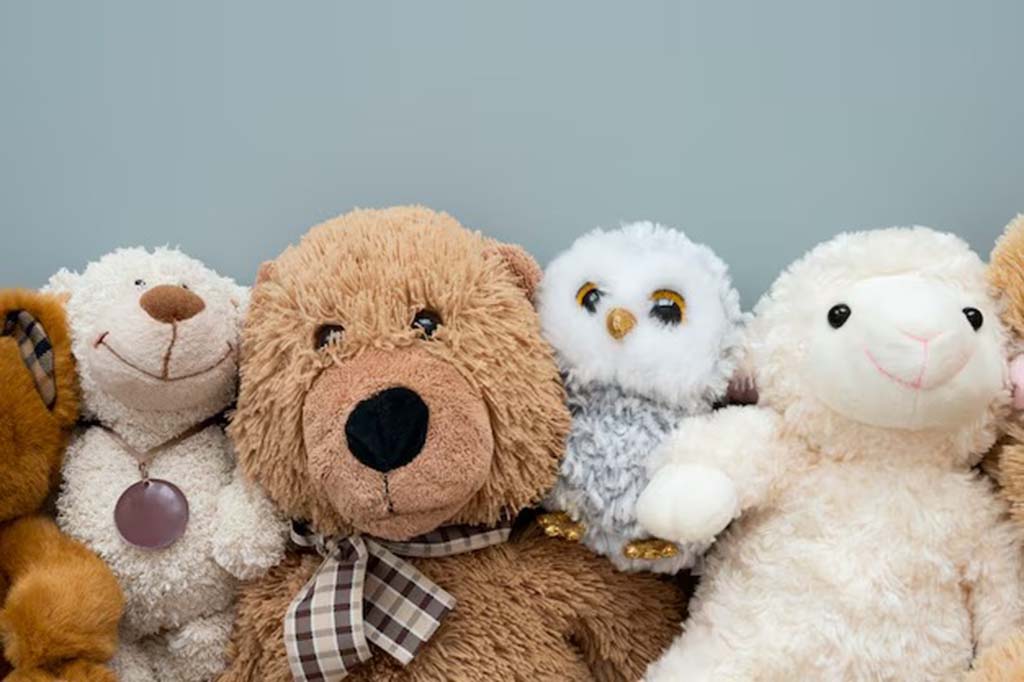
There are many “soft” materials—jersey knits, sweatshirting, fleece, terry, foams—but plush has some special characteristics that set it apart:
- Pile structure – tiny fibers standing away from the base, giving a fuzzy surface.
- Visual depth – light plays on the pile, creating rich highlights and shadows.
- Directional touch – you can often “stroke” plush; it has a nap direction.
- Perceived luxury – plush tends to look more “premium” or cozy than flat fabrics.
In toys, plush vs non-plush often decides whether a product feels like a true cuddle object or more like a cloth doll or foam pillow.
Plush vs other soft material families
Table 4 – Plush compared with other soft materials
| Material Type | Structure & Surface | Typical Use | How It Differs from Plush |
|---|---|---|---|
| Plush (velboa, minky, faux fur) | Pile on knit/woven base, fuzzy surface | Toys, throws, cushions, soft decor | Strong pile, strokeable nap, “furry” look |
| Fleece | Brushed surface, no clear pile direction | Jackets, blankets, casual wear | Soft but flatter; less “fur-like” |
| Jersey knit | Smooth or slightly brushed knit | T-shirts, soft dolls, baby clothes | Soft but not fuzzy; no pile |
| Terry cloth | Looped pile, absorbent | Towels, bathrobes | Absorbent, but rougher touch |
| Foam with fabric cover | Foam core with thin outer fabric | Pillows, cushions | Soft by structure, not by fabric pile |
| Velvet / velour | Densely packed, short pile | Apparel, upholstery, luxury decor | Closer to plush, but usually thinner and more formal-looking |
For many products, we can combine plush with other materials: plush front + plain fabric back, plush accents on bags, plush panels on apparel. The difference is that plush always adds tactile richness and a sense of warmth that flat fabrics cannot fully copy.
How do production methods influence plush softness and durability?
Even if we choose the right fiber and basic fabric, production methods decide the final feel:
- How the yarn is knitted or woven
- How high and dense the pile is cut
- How the fabric is brushed, sheared, or embossed
- How the finished toy or product is sewn and stuffed
From a factory perspective, we think about plush production on two levels:
- Fabric manufacturing – handled by textile mills.
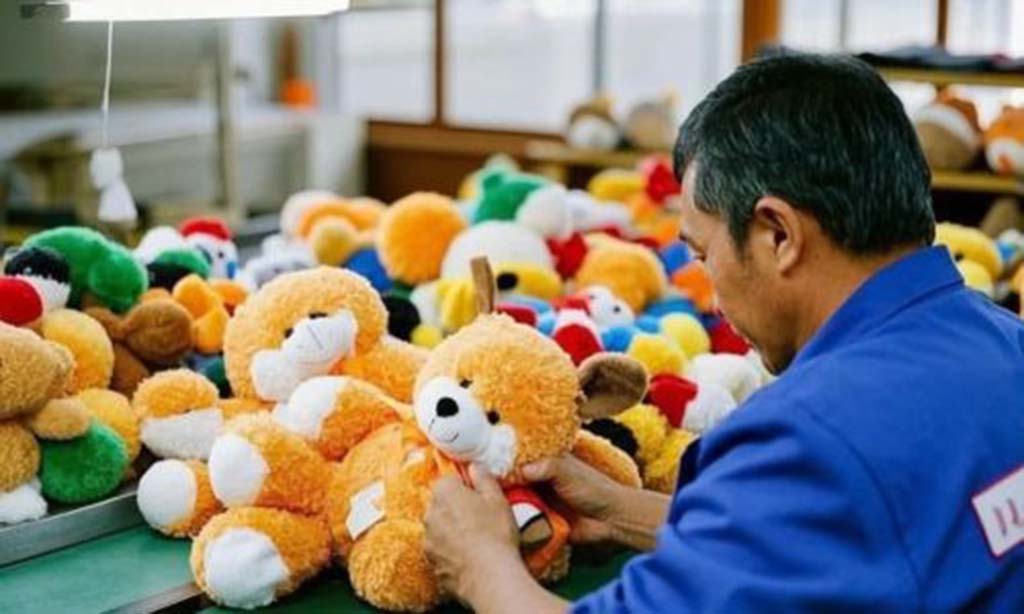
- Product manufacturing – handled by factories like Kinwin for toys and related items.
Fabric-level processes that shape plush
At the fabric stage, mills adjust:
- Gauge and tension of knitting
- Pile length (cut height)
- Brushing and shearing passes
- Finishing (anti-pilling treatments, softeners, embossing)
Small changes here can turn an average plush into a very soft one—or the opposite.
Product-level decisions that affect performance
Once the fabric arrives in our plush toy factory, our methods also change how “plush” the final product feels:
- Cutting direction (following the nap for a smooth, consistent look).
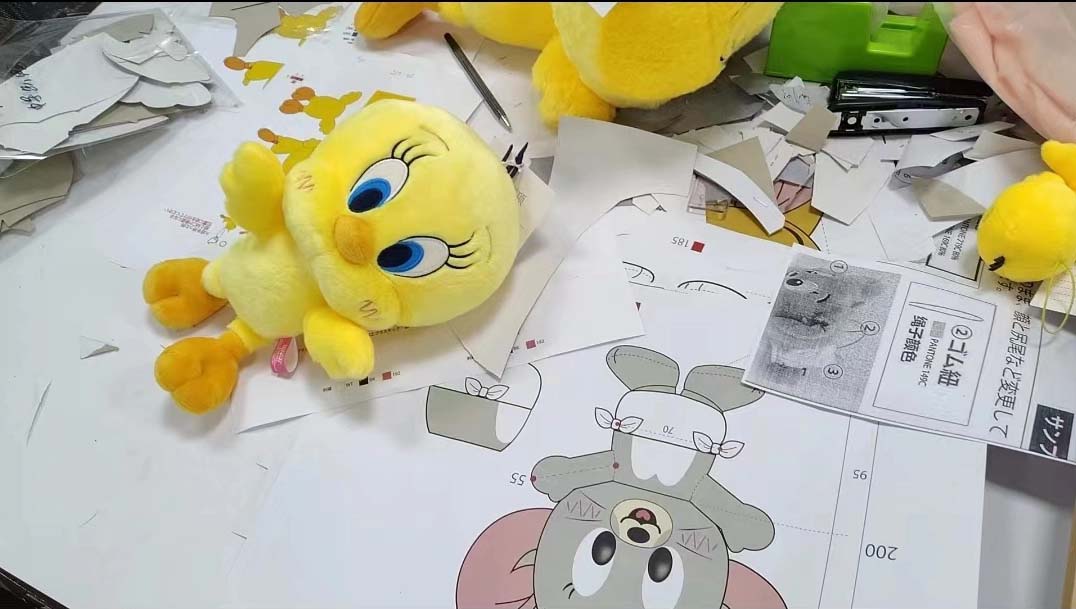
- Pattern design (enough ease to avoid over-stretching the pile).
- Stitching quality (tight, even seams that don’t pucker or gape).
- Stuffing approach (even distribution, correct density for the design).
Table 5 – Production choices and their impact on plush quality
| Stage | Key Decision | Effect on Softness & Durability |
|---|---|---|
| Fabric knitting | Density and gauge of base knit | Higher density = more support for pile |
| Pile cutting | Final pile height and consistency | Even height feels smoother; uneven feels cheap |
| Brushing & finishing | How often and how deeply fabric is brushed | Better brushing = softer hand-feel, but must avoid over-damage |
| Product cutting | Direction of nap and pattern accuracy | Correct nap = nicer look and touch; poor cutting = patchy appearance |
| Sewing & seams | Stitch type, length, and seam allowance | Strong seams stop burst, protect pile edges |
| Stuffing & shaping | Type and amount of filling, how it’s layered | Balanced stuffing keeps plush soft but not lumpy |
This is where a real manufacturing partner adds value. We can adjust stuffing density, fabric direction, and internal structure to make a design feel more premium without necessarily changing the outer fabric.
For example:
- A simple velboa bear with very careful patterning and stuffing can feel more “expensive” than a long-fur bear with poor construction.
- A minky plush with correct seam allowance and good stuffing will keep its shape better through shipping and retail handling.
Conclusion
“Plush” is not just a marketing word. It’s a textile family built on specific fibers, pile structures, and production methods that create soft, tactile, emotionally engaging products—from stuffed animals to throws and lifestyle decor. When you understand what plush is about—the balance between softness, durability, safety, and brand story—you can choose materials and partners that give your customers real comfort and value, not just a nice photo. At Kinwin, my team and I help global buyers turn concepts into plush toys and related products that feel good to touch, pass international tests, and support long-term brand growth. If you’d like to discuss a new plush project or upgrade your existing line, you are welcome to contact me at [email protected] or visit kinwintoys.com to explore how our factory can support your success.