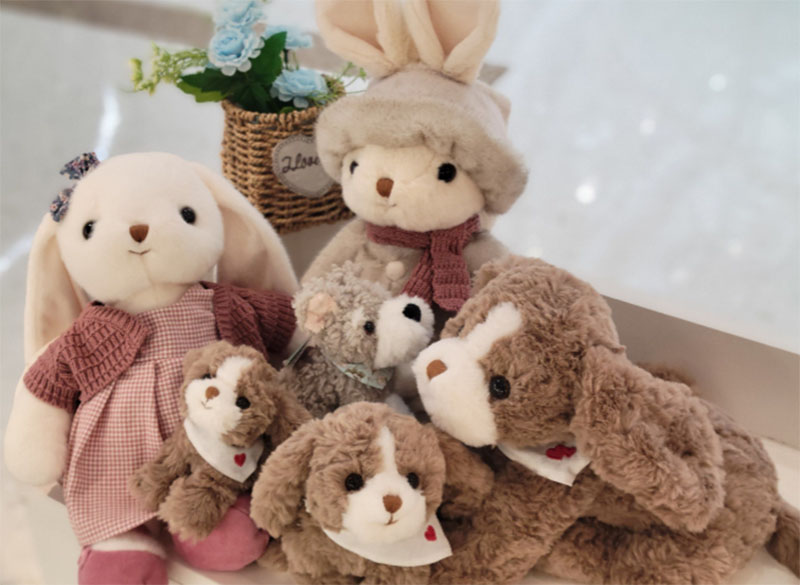
Plushies are more than soft objects. They are memories, collections, brand mascots, and small pieces of comfort in daily life. How you display them decides whether they look “messy on a chair” or “beautifully curated” on a shelf, wall, or store display.
As a plush manufacturer in China, I often help brands, retailers, and collectors think about not only how to make plushies, but also how to show them. A good display protects the toys, keeps them organized, and tells a clear story to visitors or customers. In this guide, I’ll share practical, simple ways to display plushies at home, in a studio, or in a store, using ideas that work even in small spaces.
What display methods keep plushies organized and visually appealing?
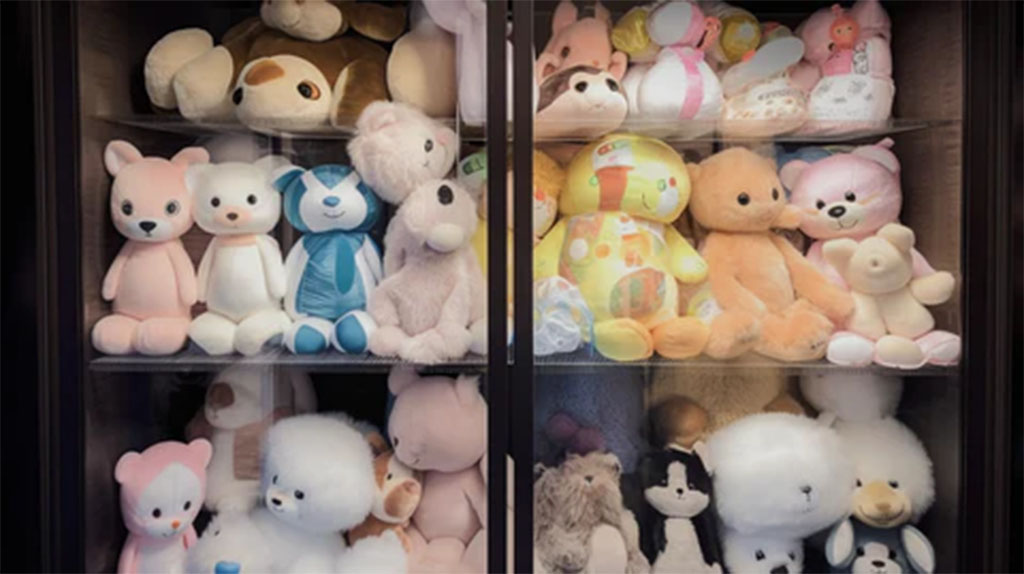
Before you buy any shelf or rack, it helps to think about basic display methods. Good displays do two things at the same time:
- Keep plushies organized and easy to find.
- Make the whole area visually calm and attractive, not crowded.
You can think of display methods in a few simple groups:
- Open displays – shelves, benches, beds, sofas, window sills.
- Semi-open displays – cubbies, baskets, crates, open-front boxes.
- Enclosed displays – glass cabinets, acrylic boxes, zip cases.
Each has its own strengths.
- Open display is great for easy access and a cozy feeling.
- Enclosed display is better for collectibles, dust protection, and pets.
- Semi-open is a flexible middle option, useful for kids’ rooms and mixed-use spaces.
Overview of common display methods
You can use this table as a quick starting point when planning your plush display:
Table 1 – Main display methods for plushies
| Display Method | Best For | Main Advantages | Things to Watch Out For |
|---|---|---|---|
| Open shelves | Medium–large collections, visible walls | Easy to see and arrange, flexible styling | Needs regular dusting, risk with pets/children |
| Glass/ acrylic cabinet | Collectibles, rare or signed plushies | Strong dust protection, premium look | Higher cost, needs more planning for space |
| Baskets & fabric bins | Everyday plush, kids’ rooms | Quick clean-up, soft and safe | Plush can get wrinkled and hidden at bottom |
| Wall hooks / pegs | Plush with loops or keychains | Good for small spaces, fun vertical lines | Not ideal for large plush or heavy items |
| Bed/sofa arrangement | Daily comfort plush, a few favorites | Cozy feel, easy to access | Easy to over-clutter, needs daily tidying |
| Acrylic boxes/stands | Single special plush or small sets | Protects from dust, strong focus on each item | Can look “stiff” if overused |
If you want a clean but warm feeling, you can mix methods. For example: favorite plush on the bed, display plush on open shelves, and rare/white plush in a glass cabinet.
How do shelves, racks, and wall systems enhance plushie presentation?
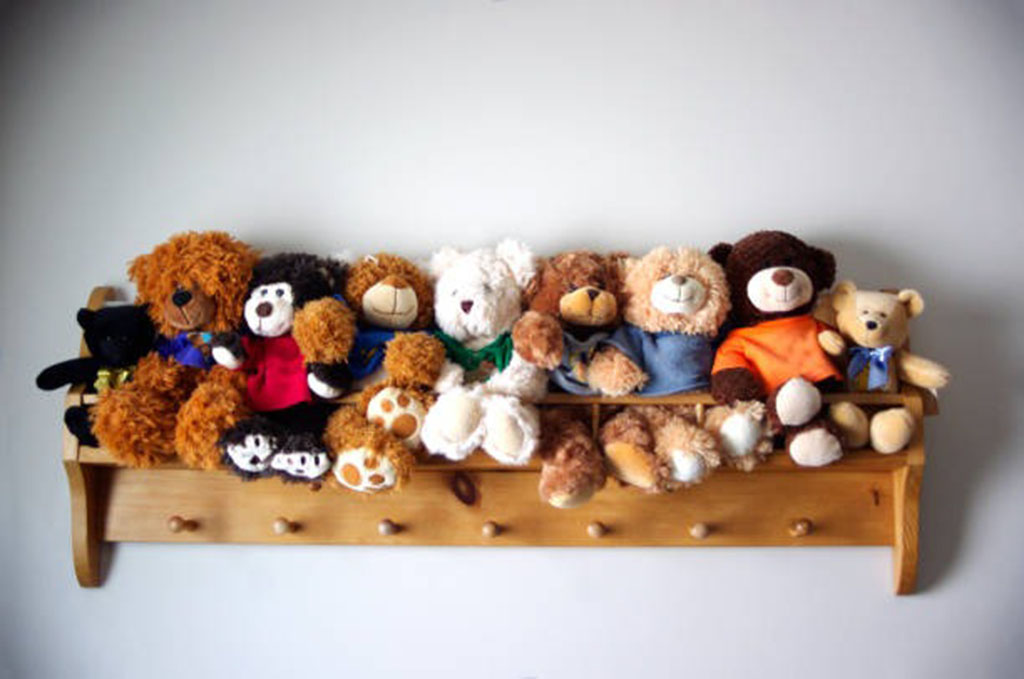
Shelves, racks, and wall systems are the backbone of most plush displays. They help you use vertical space, keep plush off the floor, and create simple “stages” for your toys.
You don’t always need custom furniture. Basic bookcases, cube shelves, and wall-mounted boards can already create a strong plush wall if you arrange them carefully.
When you choose storage furniture, think about three things:
- Depth – deeper shelves for large plush, shallow shelves for minis.
- Height – enough space for standing plush, but not so tall that they “float” alone.
- Strength – can it safely hold the weight of many plushies over time?
Comparing shelves, racks, and wall systems
Here is how different systems work for plush displays:
Table 2 – Shelves and wall systems for plush presentation
| System Type | How It Works | Advantages | Best Use Cases |
|---|---|---|---|
| Standard bookcase | Vertical unit with horizontal shelves | Easy to find, affordable, flexible | Home collections, kids’ rooms, offices |
| Cube shelves | Individual square or rectangular “boxes” | Good for grouping by theme or character | Collectors, mixed decor + storage |
| Wall-mounted shelves | Shelves fixed directly to the wall | Saves floor space, creates clean lines | Small rooms, above desks or beds |
| Ladder shelves | Leaning shelves with decreasing depth | Stylish, good for small and medium plush | Living rooms, studios, photo-friendly setups |
| Grid panels / pegboards | Wall panels with hooks, shelves, or baskets | Very flexible, re-arrangeable | Retail displays, dynamic collections |
| Rail + clip/hook system | Horizontal rail with hanging accessories | Good for keychains and mini plush | Entryways, near desks, small corners |
Layering and height for better presentation
A simple trick: never place all plush in a straight horizontal line at the same height. Instead:
- Create levels (for example, tall plush at the back, medium in the middle, small in front).
- Use stands, boxes, or books to lift some plush higher.
- Leave small gaps so each plush can “breathe” visually.
This creates a “wave” of heights, which looks more dynamic and allows every face to be seen in photos and in real life.
Which storage materials help protect plushies from dust and damage?
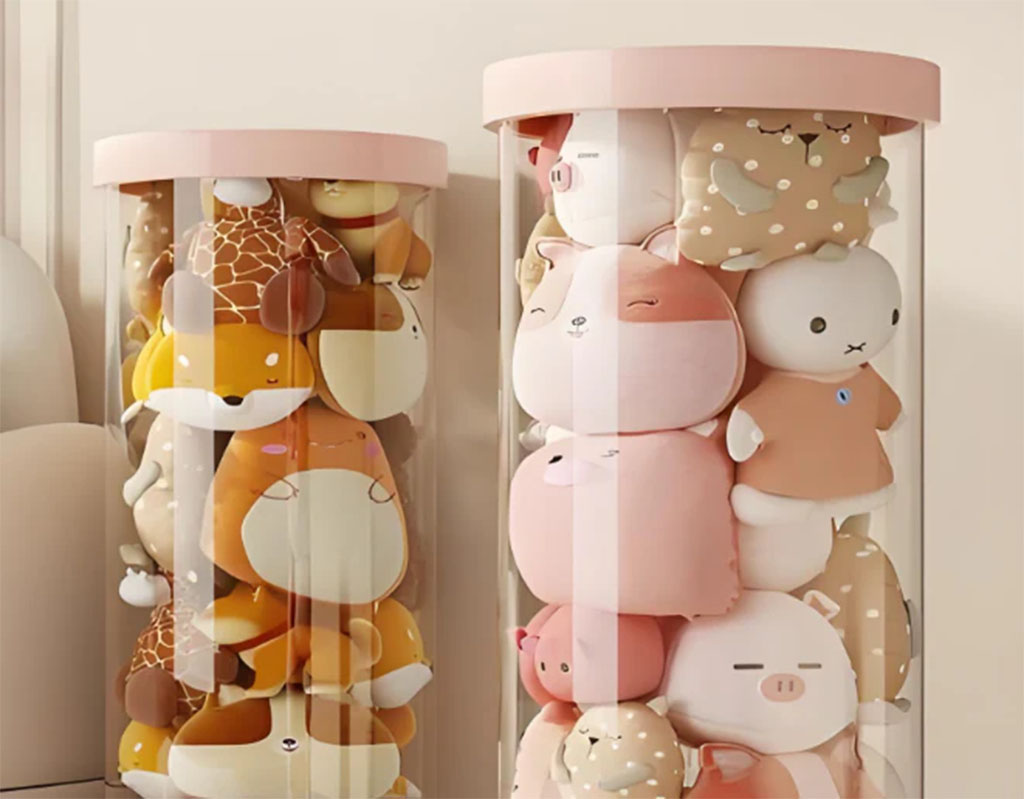
Soft toys love dust. Dust does not love your plush. Over time, dust, sunlight, and moisture can change the color and feel of plush fabric. Good display is not only about beauty; it is also about protection.
The main risks are:
- Dust – dulls colors and can cause allergies.
- Sunlight – fades fabric and prints.
- Moisture – can cause musty smell or damage.
- Pets – chewing, clawing, or carrying plush away.
Storage materials can help reduce these problems.
Materials that protect and support plush displays
Table 3 – Protective storage materials for plush collections
| Material / System | How It Protects Plushies | When to Use |
|---|---|---|
| Glass cabinets | Block dust, reduce direct touch | For collectible, rare, or white plush |
| Acrylic boxes / domes | Fully enclose single plush or small sets | For special pieces, signed items, tiny minis |
| Fabric bins with lids | Reduce dust, allow some air flow | For seasonal plush, rotation storage |
| Zip storage bags (breathable) | Protect from dust and pests | For long-term storage, moving, or travel |
| Shelf liners | Keep bottoms clean, reduce friction | For open shelves in dusty or older buildings |
| UV-filtering film on windows | Reduces UV damage from sunlight | When shelves are near windows |
For large collections, you can combine systems: glass cabinet for the most valuable plush, open shelves for regular viewing, and bins or bags for plush in rotation.
If you are a brand or retailer, using clear acrylic risers and boxes can add a premium feeling and protect demo samples at trade shows or in-store displays.
How can lighting and layout improve the aesthetic of plush displays?
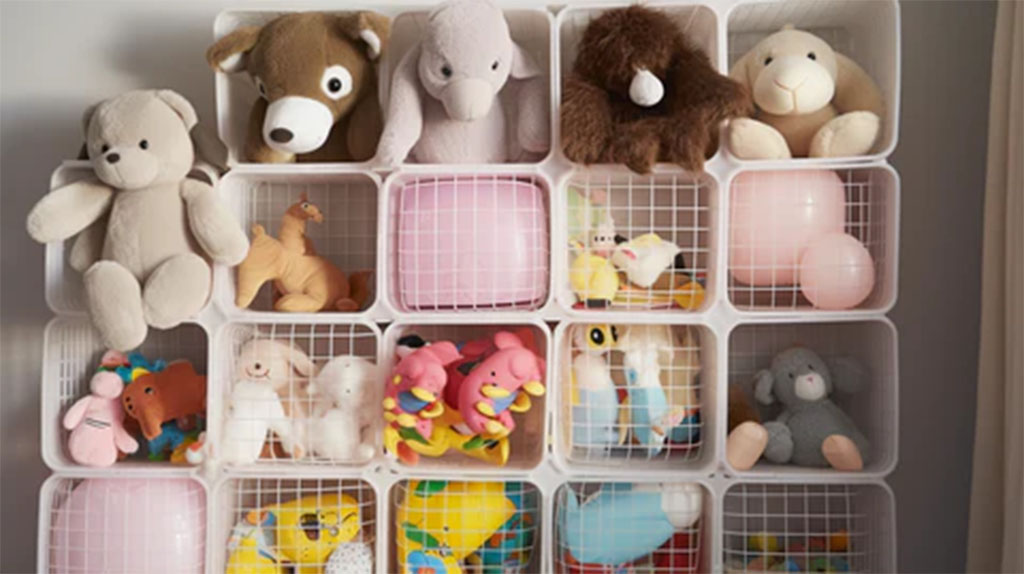
Lighting and layout can turn a simple shelf into a very attractive plush wall. The goal is soft, warm, and even light that lets your plushies shine without damaging the fabrics.
Basic lighting tips
- Choose warm white light (not too blue) for a cozy feel.
- Avoid very strong spotlights directly on plush, especially dark or printed fabrics.
- Place lights above or slightly in front of plush to avoid harsh shadows on faces.
- Use LED strips under shelves for even, gentle lighting.
Layout principles
When arranging plush, basic visual rules help:
- Group by theme or color for a calm, organized look.
- Use odd numbers (3, 5, 7 plush in a group) for more natural-looking arrangements.
- Create focal points – one or two main plush in each section that catch the eye.
- Keep the eye level zone (about 1.4–1.7 m from the floor) for your best pieces.
How different lighting types affect displays
Table 4 – Lighting choices for plush displays
| Lighting Type | Effect on Plush Display | Tips and Cautions |
|---|---|---|
| Overhead ceiling light | General illumination, basic visibility | Combine with other lights for depth |
| LED strip under shelves | Soft, even light on each row | Choose warm tone; hide strips to avoid glare |
| Spotlights / track lights | Create strong focal points | Use low intensity; avoid direct close beams |
| Backlighting | Dramatic silhouette, works with translucent elements | Use lightly; not ideal as main light source |
| Small table / clip lamps | Flexible, easy to reposition | Keep bulbs away from plush; use LED to reduce heat |
Never put hot lamps directly touching plush. Heat can damage fibers, and some coatings or prints may change under strong continuous light. LED lights are usually safer and more energy efficient.
What creative themes and arrangements showcase collectibles effectively?
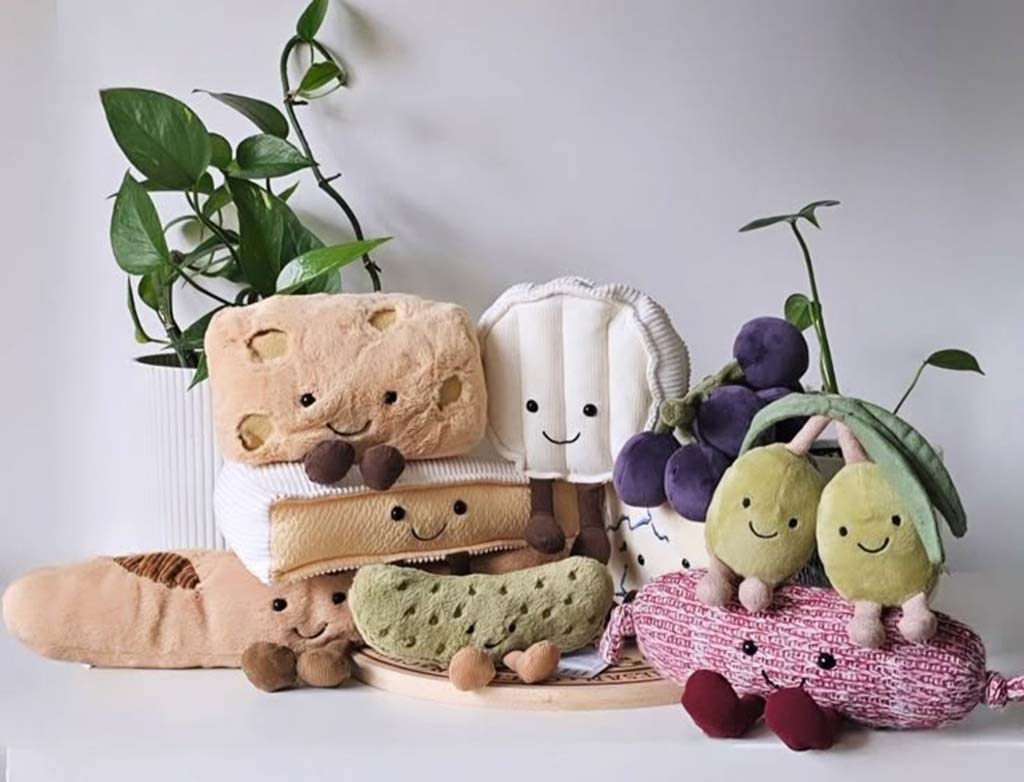
Once your basic furniture and lighting are set, you can play with themes and arrangements. This is where your personality or brand story really appears.
You can organize plushies by:
- Color – pastel corner, monochrome shelf, rainbow order.
- Character or IP – all plush from one brand, show, or game.
- Size – mini to large gradients.
- Season / mood – spring, Halloween, winter, “cozy night in.”
- Function – sleep plush, desk plush, travel plush, limited editions.
Adding small props can also help: books, frames, fairy lights, small boxes, or fabric runner on the shelf. Just be careful not to overcrowd. Plush should still be the star.
Inspiration ideas for themed displays
Table 5 – Creative themes for plushie arrangements
| Theme Type | How to Arrange Plushies | Where It Works Best |
|---|---|---|
| Color-blocked | Group by main color (all pink, all blue, etc.) | Bedrooms, studios, Instagram-ready corners |
| Character family | Each shelf or cube for one character or franchise | Collectors’ rooms, fandom walls |
| Seasonal / holiday | Rotate plush and props by season or holiday | Living rooms, store displays, event corners |
| Size gradient | Place minis in front, medium in middle, big at back | Bookshelves, glass cabinets |
| Story scene | Use props to build a “scene” (picnic, forest, space) | Kids’ rooms, themed cafes, brand storytelling |
| Minimalist focus | Few plush, lots of empty space, soft colors | Modern interiors, small apartments |
For brands, themed displays can also support marketing campaigns. For example, a new plush line can be shown in a “bedtime corner,” with pillows and soft lighting, so buyers immediately see when and how to use the products.
Conclusion
Displaying plushies well is about more than decoration. The right methods keep your collection organized, protect the fabrics, and tell a clear story to anyone who enters the space—whether it is a bedroom, a studio, or a retail shop. By choosing suitable shelves, protective materials, thoughtful lighting, and creative themes, you can turn simple soft toys into a warm, professional-looking display that people remember. At Kinwin, my team and I focus on the full journey—from plush design and manufacturing to how your products will look in real homes and stores. If you are planning a new plush collection or want to improve your display-ready designs, you are welcome to contact me at [email protected] or visit kinwintoys.com to explore how our factory can support your long-term growth.