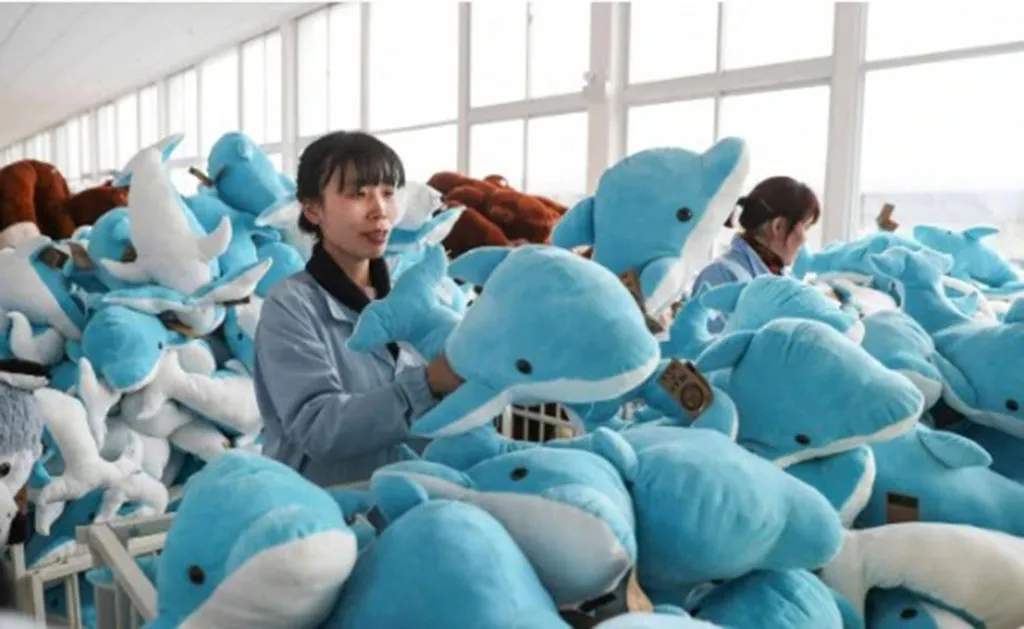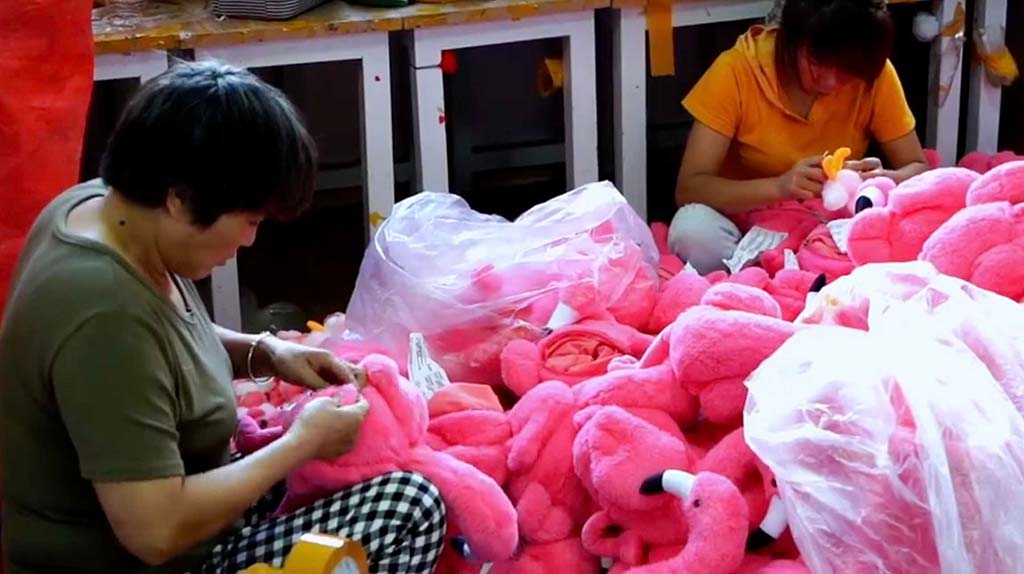
When people say “plushie,” they usually picture something soft, cute, and easy to hug. But in today’s market, a plushie is much more than a simple stuffed toy. It is a comfort object, a collectible, a decor item, and sometimes even part of a fan’s identity.
As a plush toy manufacturer in China, I work every day with brand owners, retailers, and e-commerce sellers who ask, “What exactly counts as a plushie?” In this guide, I’ll explain how I define plushies in real factory work, so you can choose or design products that truly match your customers’ needs.
What is the definition of a plushie today?
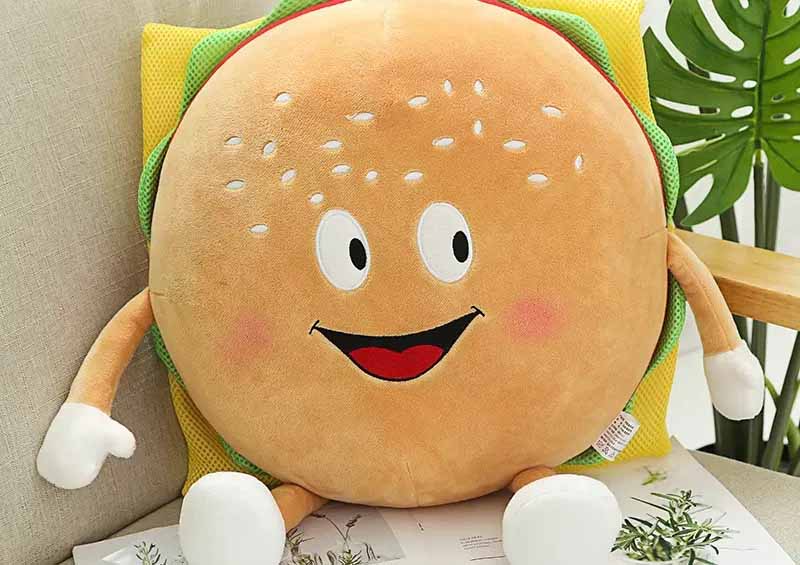
In modern toy terminology, a plushie is a soft, stuffed figure made from plush (pile) fabric, usually with a friendly or expressive design. It can be an animal, a character, food, an object, or a completely original creature. The key is that it is soft, huggable, and designed to create an emotional response.
When my clients say, “We want a plushie line,” they usually mean:
- 3D stuffed figures
- Made with soft pile fabrics (not flat cotton only)
- With clear personality and expression
- Suitable for hugging, gifting, collecting, or decorating
So, in simple words: all plushies are stuffed toys, but not all stuffed toys are plushies. If a toy is hard, very flat, or made from plain fabric without a soft pile, most customers will not call it a plushie.
How a plushie is different from other soft toys
You can think of a plushie as one category inside the bigger “soft toy” world:
Table 1 – Plushie vs. other soft toy types
| Product Type | Main Materials & Structure | Typical Use | Is It Usually Called a “Plushie”? |
|---|---|---|---|
| Plushie | Pile fabric (minky, velboa, faux fur) + stuffing | Hugging, collecting, decor, fandom | Yes |
| Fabric soft toy | Woven/knit fabric, little or no pile | Baby cloth dolls, soft books | Sometimes, but often just “soft toy” |
| Knitted / crochet toy | Yarn, visible stitches, stuffing inside | Handmade dolls, amigurumi | Often called “knit toy,” not “plushie” |
| Foam soft item | Foam core with fabric cover | Pillows, blocks, cushions | Usually not called a “plushie” |
| Inflatable soft toy | Plastic or PVC inflatable | Pool toys, beach toys | Not a plushie |
If your product uses soft pile fabric, has stuffing, a 3D body, and a clear character or shape, you are almost always in the plushie category.
How do fabrics and stuffing materials shape plushie quality?
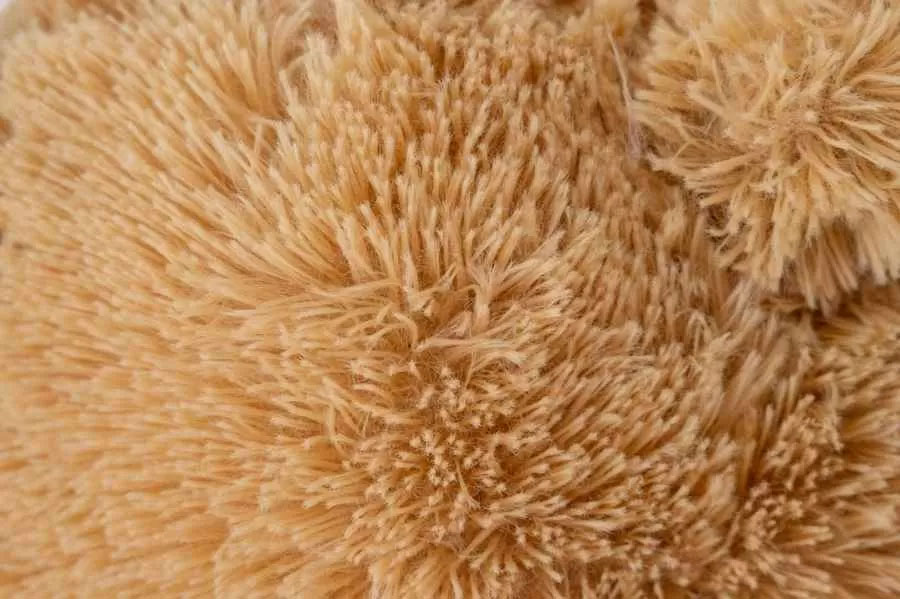
The heart of a good plushie is simple: how it feels when someone hugs it. That feeling comes from two main layers:
- The outer fabric (what the skin touches)
- The inner stuffing (what gives the plushie its volume and softness)
If the fabric is rough or the stuffing is lumpy, the plushie will not become a “favorite,” even if the design is cute.
In my work at Kinwin, I always start by matching fabric + stuffing to the target age group, price level, and use scene (sleep, desk, decor, fandom, etc.).
Common fabric and stuffing choices for plushies
Table 2 – Fabrics and stuffing used in modern plushies
| Component | Common Options | Effect on Quality and Feel |
|---|---|---|
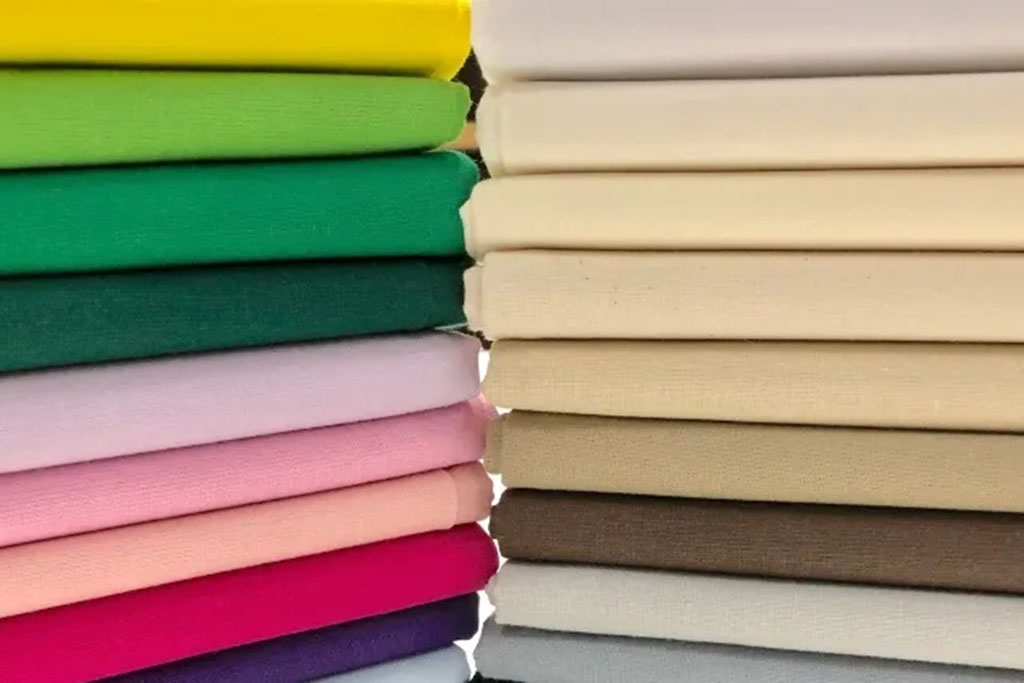
| Outer fabric | Short plush / velboa | Smooth, neat, good for detailed prints and mascots |
| Outer fabric | Minky / coral fleece | Very soft, cozy; ideal for baby and “super soft” lines |
| Outer fabric | Faux fur (short or long) | Fluffy, dramatic; great for animals and fantasy plush |
| Inner stuffing | Polyester fiberfill | Light, bouncy, standard choice for most plushies |
| Inner stuffing | High-resilience fiberfill | Softer squeeze but better recovery over time |
| Inner stuffing | Recycled polyester fiber | Similar feel, supports eco or sustainability stories |
| Added weight | Plastic pellets / glass beads (inside pouches) | Adds gentle weight or stability for sitting plushies |
Good fabric and stuffing choices give your customers:
- A pleasant first touch
- A comfortable hug
- A shape that stays nice after many squeezes
Poor materials may look fine in photos, but in real life they flatten quickly, feel scratchy, or even shed fiber. That leads to bad reviews and low repeat orders.
Which design elements influence a plushie’s look and feel?
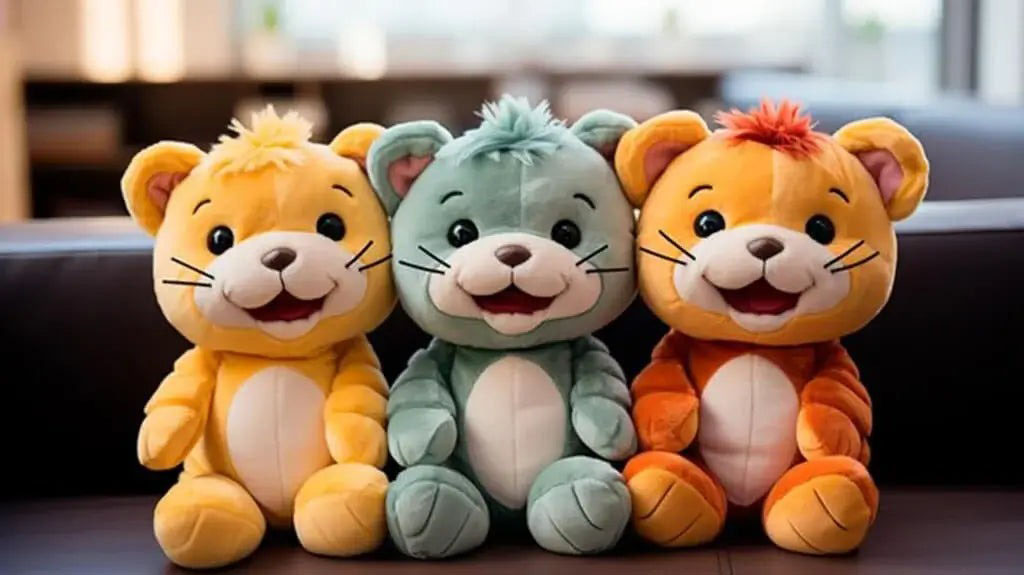
Even with perfect materials, a plushie can still feel “off” if the design is not well planned. Design controls:
- How cute or cool the plushie appears
- Whether it feels calm, silly, or energetic
- How easy it is to hug, carry, or display
When I help clients design plushies, we focus on a few core elements: face, body shape, color palette, and texture.
Main design elements and their impact
Table 3 – Design elements that shape plushie personality
| Design Element | Typical Options | Effect on Look and Feel |
|---|---|---|
| Facial style | Big eyes, minimal eyes, embroidered lines, 3D nose | Sets mood: cute, calm, funny, cool, or elegant |
| Proportions | Chibi (big head, small body), realistic, stylized | Changes age appeal and “cuteness level” |
| Body shape | Round, flat, long, pillow-like, sitting | Changes how the plush is hugged or displayed |
| Color palette | Pastels, brights, earth tones, monochrome | Connects to baby, kids, teens, adults, fandom |
| Surface texture | All smooth, or mixed (smooth + textured parts) | Adds visual interest and sensory variety |
| Accessories | Clothes, hats, bags, embroidery details | Adds personality; must be designed with safety in mind |
For example:
- A round, pastel plushie with simple eyes feels soft, calm, and “cottage” or “K-style” aesthetic.
- A bright, high-contrast plushie with strong expressions feels more energetic and child-focused.
If your main audience is adults who love cozy rooms, you may choose muted colors and minimalist faces. If you focus on kids, you may want clearer faces and fun color contrasts.
How are plushies categorized by style, purpose, and audience?
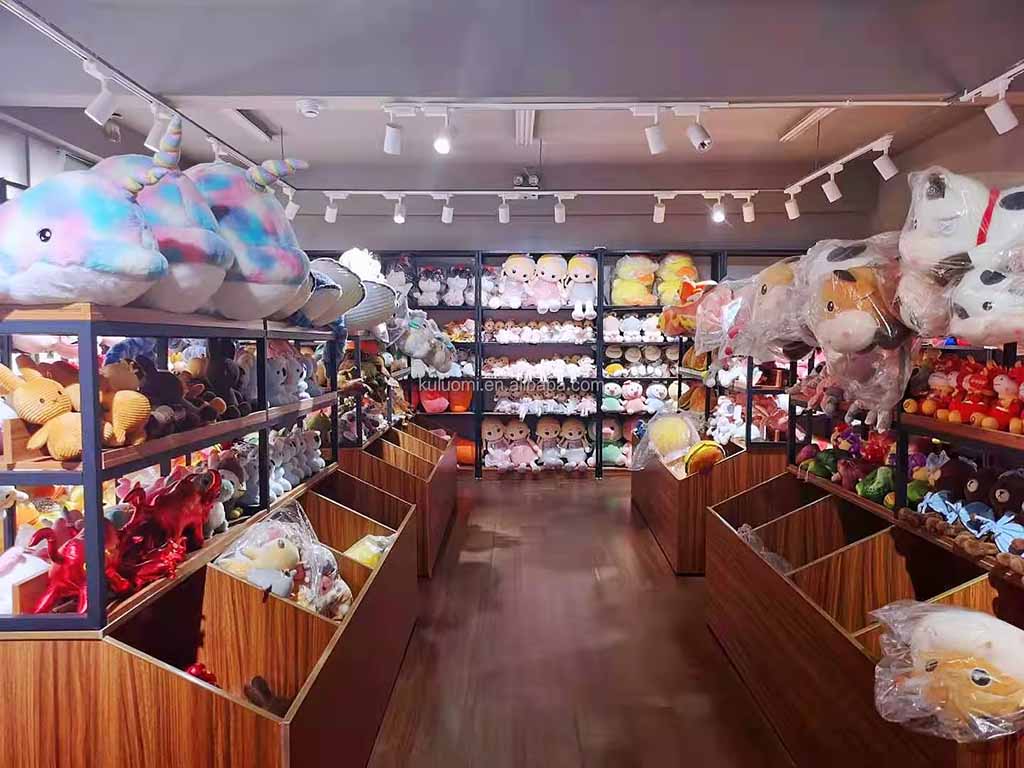
“Plushie” is a big family. To plan a product line or shop more clearly, it helps to group plushies by style, purpose, and target audience.
From what I see in real projects, we usually talk about plushies in these ways:
- By style: classic animals, kawaii, realistic, fantasy, chibi, etc.
- By purpose: sleep comfort, decor, fandom, gifts, promotional.
- By audience: babies, kids, teens, adults, collectors.
Practical plushie categories
Table 4 – Plushie types by style, purpose, and user
| Category Type | Description | Main Audience / Purpose |
|---|---|---|
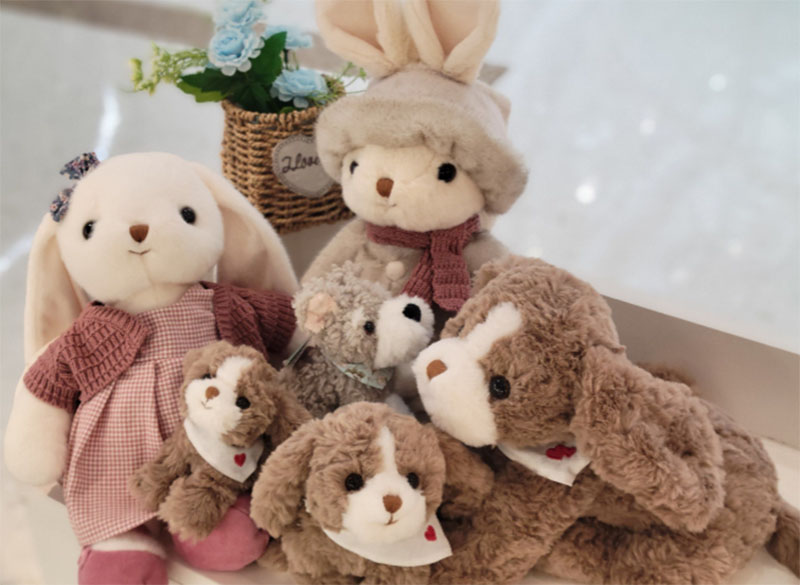
| Classic animal plushies | Bears, bunnies, cats, dogs in friendly style | Kids, families, general gifts |
| Kawaii / chibi plushies | Very cute, big head, tiny body, simple face | Teens, young adults, “aesthetic” room decor |
| Character / fandom plushies | Based on anime, games, cartoons, mascots | Fans, collectors, IP-based merchandise |
| Baby & toddler plushies | Soft, gentle colors, embroidered features | Babies, parents focused on safety and softness |
| Weighted / calming plushies | Slightly heavier, designed for comfort | Teens, adults, some kids needing deep-pressure feel |
| Decorative plush cushions | Flat or pillow-like plush forms | Home decor, sofa and bed styling |
| Mini / keychain plushies | Tiny plush with hook or chain | Bag accessories, blind boxes, event giveaways |
When you design or source, you can combine these:
For example, a kawaii-style weighted plush for stressed office workers, or classic animal plushies in pastel colors for baby gift sets.
Thinking in categories helps you not only understand “what is a plushie,” but also “which plushies are right for my brand and customers.”
What safety standards apply to modern plushie manufacturing?
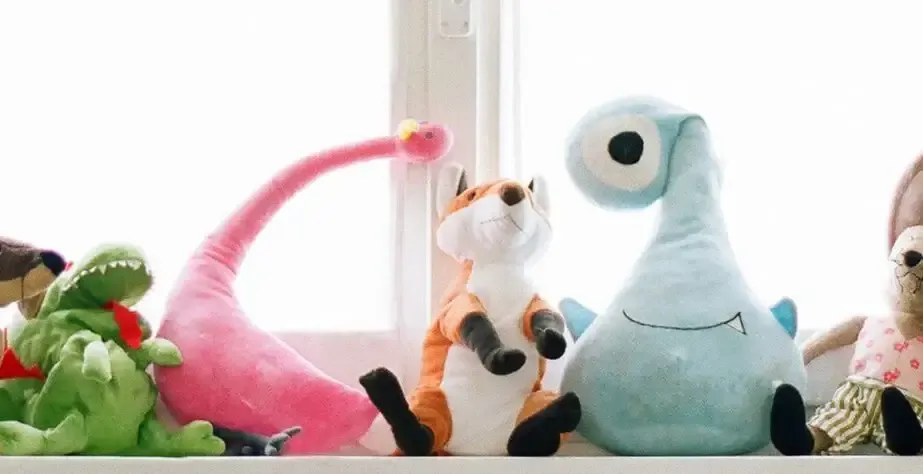
No matter how cute or trendy a plushie is, it must be safe—especially for children. Safety is part of quality. In export markets like the USA and Europe, plushies are treated as toys and must follow strict standards.
As a factory, we often help clients work with:
- EN71 series and CE marking (Europe)
- ASTM F963 and CPSIA (USA)
- REACH and similar rules for chemical safety in the EU
- Local toy regulations in other regions that are often similar to EN71/ASTM
Even when plushies are aimed at teens or adults, many professional brands still use toy-level standards. This gives more trust and reduces risk.
Safety aspects we focus on in plushie production
Table 5 – Key safety and compliance checks for plushies
| Safety Area | What We Check in Factory | Why It Matters for Your Customers |
|---|---|---|
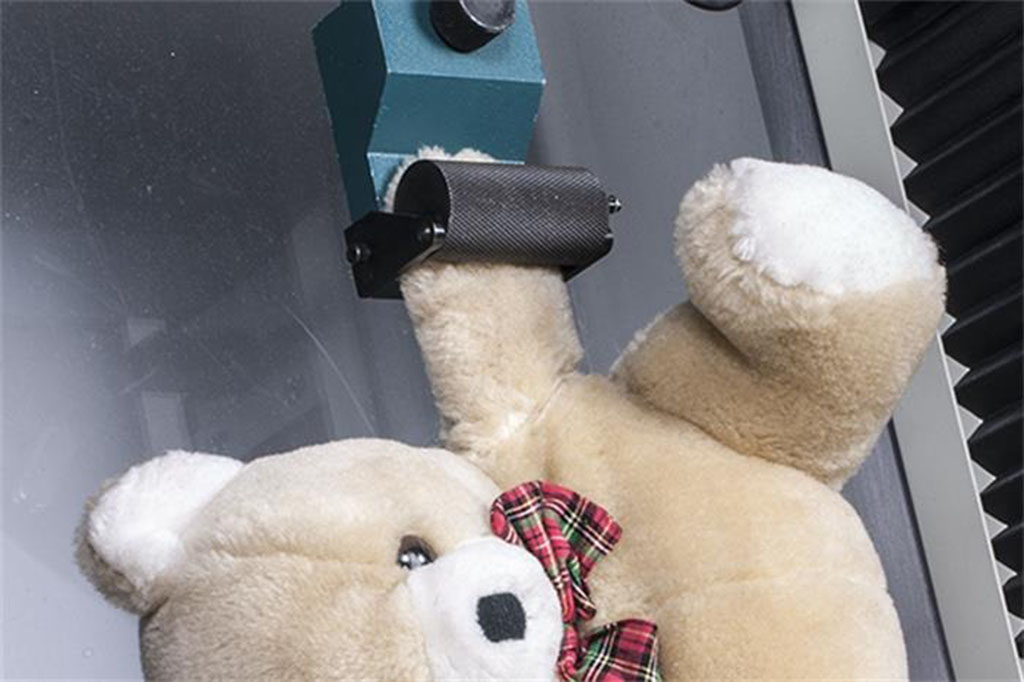
| Mechanical safety | Pull tests on eyes, noses, seams; small parts | Prevents choking risks and broken parts |
| Chemical safety | Tests for heavy metals, phthalates, harmful dyes | Safer if children touch, hug, or mouth the toy |
| Flammability | How fabric behaves near flame | Reduces risk if toy meets a small flame source |
| Cleanliness | Clean stuffing, no foreign objects | Avoids hidden hazards inside the plushie |
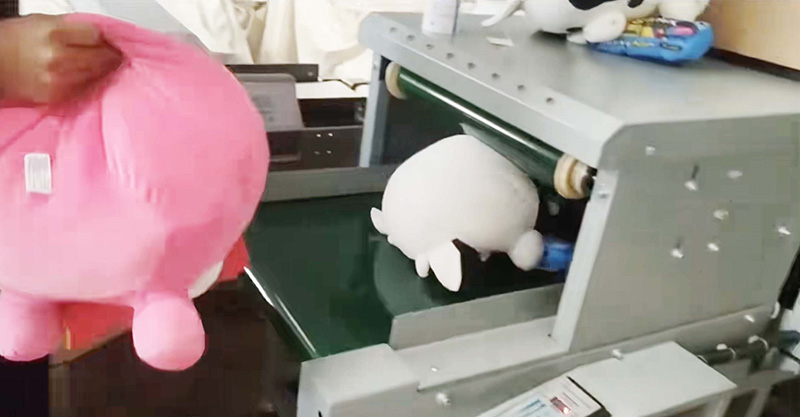
| Needle detection | Metal detectors for broken sewing needles | Prevents sharp metal pieces in finished toys |
| Labels & age marks | Clear usage and age recommendations | Helps buyers choose correctly and use safely |
When you work with a manufacturer, it’s wise to ask:
- Which standards do you normally test against?
- Can you provide recent reports for similar plushies?
- How do you handle needle detection and seam strength?
This way, you are not only buying “plushies,” but also buying safety and peace of mind.
Conclusion
A plushie today is more than a soft toy. It’s a combination of material quality, smart design, clear safety, and strong emotional meaning. When you understand what really defines a plushie—soft pile fabrics, well-balanced stuffing, thoughtful shapes, safe construction, and a style that matches modern trends—you can create or choose products that your customers truly love and keep.
At Kinwin, my team and I help global buyers turn sketches, characters, and brand ideas into plushies that feel good to hug, look professional on the shelf, pass international safety tests, and reflect real market demand. If you are planning a new plushie line or want to upgrade your current products, you are very welcome to contact me at [email protected] or visit kinwintoys.com to explore how our factory can support your long-term success.