Sleeping with a stuffed animal is very common, even for adults. Some people worry this must mean “I’m childish” or “something is wrong with me.” In most cases, that’s not true. For many adults, a plush toy is simply a comfort object that supports sleep, emotional regulation, and a sense of safety.
Current research and surveys show that a large number of adults still keep or sleep with soft toys, and psychologists generally see this as a normal coping habit—not automatic proof of trauma. In this guide, I’ll walk through what the science says, when trauma might be involved, and many other, healthier explanations for this very human behavior.
What does current research say about adults sleeping with stuffed animals?
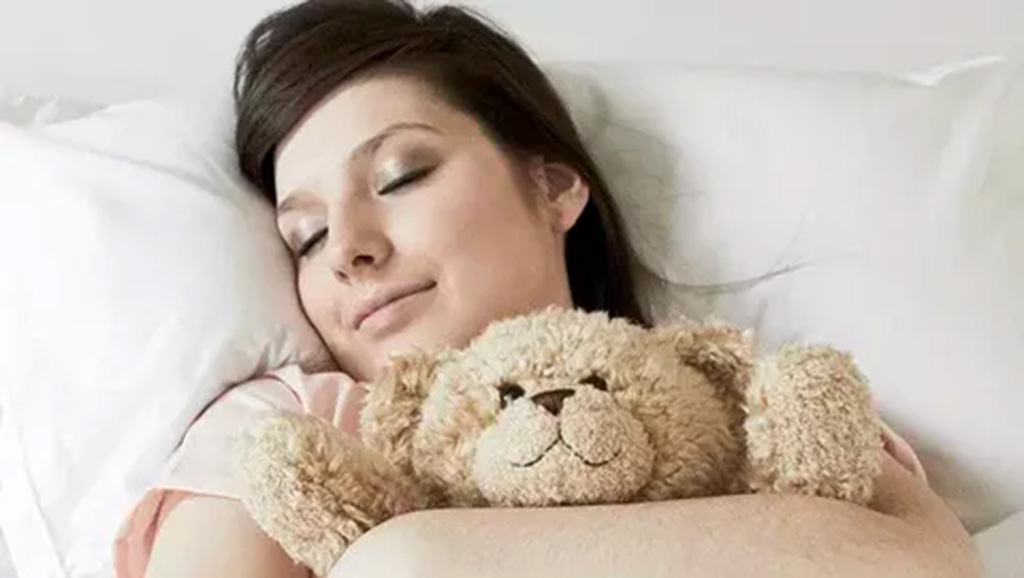
Studies and surveys suggest that adults sleeping with or owning stuffed animals are far from rare:
- A UK hotel survey reported about 35% of British adults sleep with a teddy bear. 維基百科
- Another report mentions that around 43% of adults own a special stuffed toy, and many still sleep with it. Uni Seoul
- A US survey found 7% of adults still sleep with a stuffed animal, often for comfort or habit. VICE
Psychology articles and therapists often describe stuffed animals for adults as comfort objects or transitional objects, not as automatic signs of mental illness.Bunnies By The Bay+3維基百科+3Psychology Today+3
Key idea: adult plush use is common and usually normal. It may say more about your preferred way to self-soothe than about your trauma history.
Table 1 – What research and surveys suggest about adults & stuffed animals
| Research / Survey Theme | Typical Finding (simplified) | What It Means in Plain Language |
|---|---|---|
| Prevalence of adult plush use | A notable minority of adults sleep with or own stuffed toys | You’re not alone; this habit is widespread |
| Psychologists’ view | Often described as normal, comforting behavior | Usually not seen as a problem by professionals |
| Comfort-object literature | Comfort objects help reduce anxiety and support independence | Stuffed animals can be functional self-soothing tools |
| Adult use of security items | Adults also keep “security blankets” and familiar objects for support維基百科+1 | Using objects for comfort continues into adult life |
| Trauma connection | Some adults use plushies during or after trauma, but not all do | Trauma is one possible context, not the default |
So, just having or sleeping with a stuffed animal does not automatically equal “trauma.” The full picture matters much more: how you feel, how flexible you are, and whether your daily life is working.
How do comfort objects function in emotional regulation and sleep?
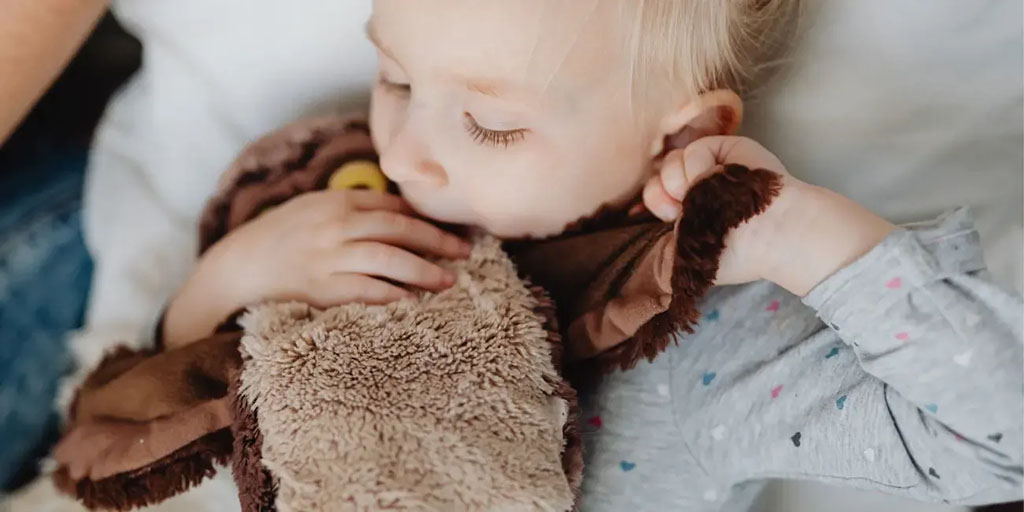
In psychology, stuffed animals, blankets, and similar items are often called comfort objects, transitional objects, or attachment objects.
Classic work by Donald Winnicott and later researchers shows that:
- Comfort objects help children move from dependence to independence. 維基百科+1
- These objects can reduce anxiety and support sleep. 維基百科+2Psychology Today+2
- Adults also use comfort objects to calm themselves, especially in stressful or lonely moments. Psychology Today+2PsyQuench+2
When you hug a plush toy at night, your brain often reads it as “safe, familiar, mine”. This can:
- Lower stress hormones.
- Slow racing thoughts.
- Make it easier to fall asleep.
Table 2 – How comfort objects help with emotions and sleep
| Function of Comfort Object | What It Does for You | Example with a Stuffed Animal |
|---|---|---|
| Emotional regulation | Calms intense feelings, offers steady comfort | Hugging your plush when anxious before sleep |
| Sense of safety | Creates a familiar, predictable presence | Having the same toy beside you every night |
| Transition support | Helps during moves, breakups, new jobs, grief | Taking your plush when you move to a new city |
| Loneliness buffer | Provides a gentle sense of “not being alone” | Sleeping better when your plush is in your arms |
| Sleep cue | Becomes part of a bedtime routine | Feeling sleepy as soon as you lie down and hold it |
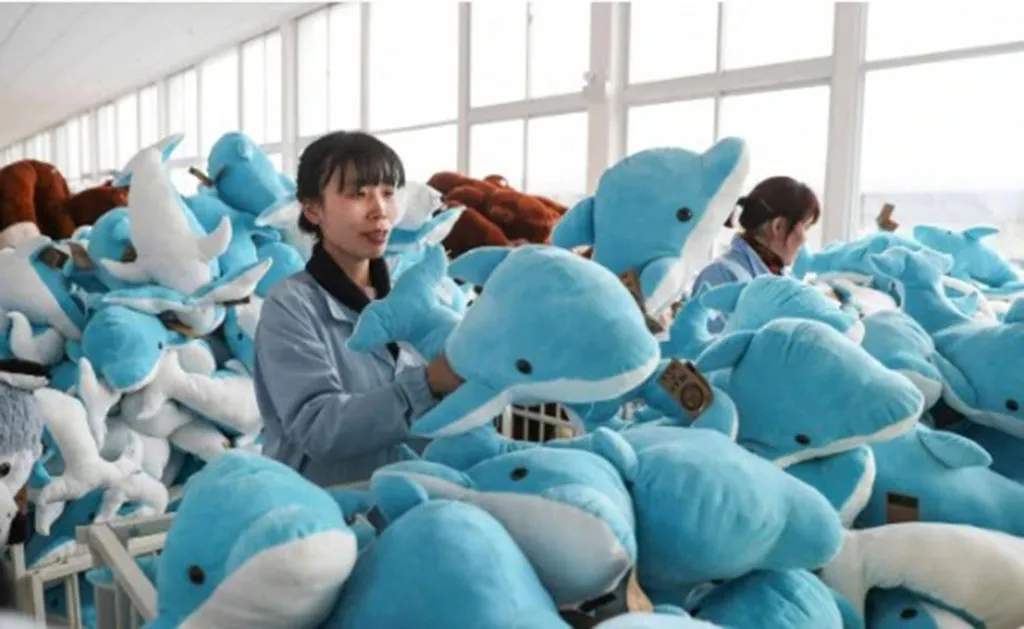
From a manufacturing side, I see how many adults choose plush toys not just for decoration, but as sleep tools—similar to weighted blankets, eye masks, or white noise. Comfort objects are one of many valid ways human beings manage stress.
When can stuffed-animal attachment relate to past trauma?
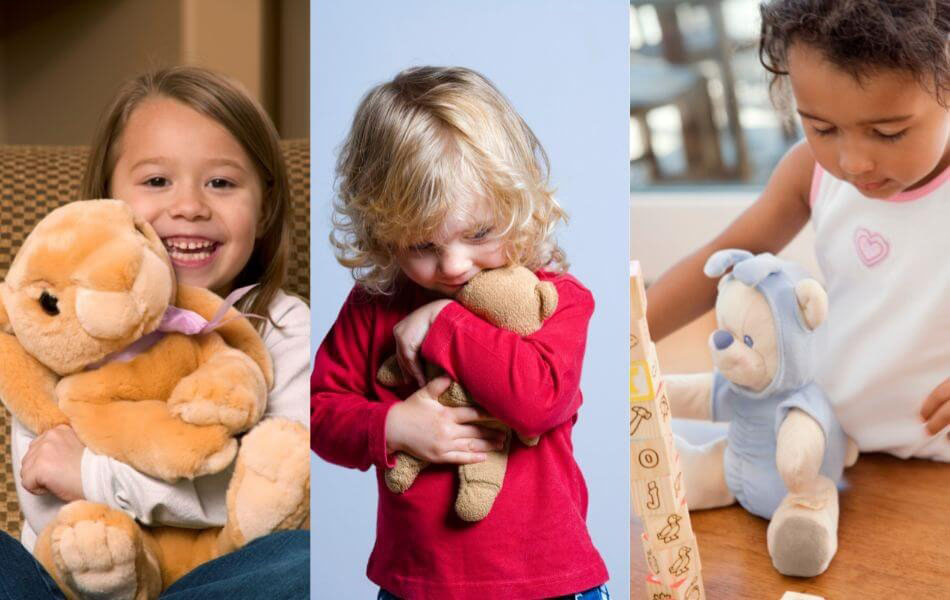
Now to the sensitive part: can this habit be connected to trauma?
The honest answer is: sometimes, yes—but not always, and not by itself.
Research on grief and trauma shows that people often turn to meaningful objects (photos, clothing, toys) after loss, major stress, or traumatic events. These items can become “transitional objects of grief” that carry a sense of connection and safety. PMC+2Psychology Today+2
For some adults who have experienced:
- Childhood neglect or abuse
- Sudden loss of a loved one
- Long-term medical trauma
- Relationship violence or severe emotional stress
…a stuffed animal may hold a special role, such as:
- A symbol of a safer time in life.
- A “companion” during panic or flashbacks.
- A physical reminder of someone who is gone.
But this is very individual. Two people can sleep with an identical plush toy for completely different reasons:
- Person A: “It just feels cozy; I like soft things.”
- Person B: “It helps me survive intense flashbacks at night.”
Only Person B’s story might involve serious trauma. The behavior (sleeping with a plush) looks the same, but the inner experience is different.
Table 3 – When plush attachment might be linked to trauma
| Pattern | Why It Might Signal Trauma Context | Important Reminder |
|---|---|---|
| Using plush mainly during flashbacks or panic episodes | Object is tied to intense distress and survival coping | Still not proof of trauma; it is one possible clue |
| Strong fear of being without the plush | Could reflect deep insecurity or unresolved fear | Needs context: some people are just very attached |
| Plush connected to specific loss (e.g., from deceased person) | May function as a grief object | Can be a healthy way to process grief too |
| Many other trauma symptoms present (nightmares, avoidance, hypervigilance) | Plush is one part of a larger trauma pattern | Trauma is about patterns, not about one behavior |
If you (or your readers) strongly suspect trauma, the helpful step is not to throw away the stuffed animal. The helpful step is to talk with a qualified mental health professional, who can look at the whole picture: history, symptoms, relationships, and daily functioning.
How do clinicians distinguish healthy comfort from trauma indicators?
Clinicians don’t diagnose based on one habit. Instead, they look at intensity, flexibility, distress, and impact on life.
Roughly, they may ask:
- Is this behavior flexible?
- Can you sleep without the plush sometimes, even if it’s less comfortable?
- Is it causing problems?
- Does it interfere with relationships, work, or self-care?
- Is there strong distress attached?
- Do you panic or feel extreme fear if the toy is missing?
- What else is going on?
- Are there other signs of anxiety, depression, PTSD, or relationship difficulties?
Table 4 – Healthy comfort vs. “maybe we should look deeper”
| Situation | More Likely Healthy Comfort | More Likely Worth Professional Support |
|---|---|---|
| Feelings if plush is missing | Mild discomfort, maybe some sadness | Panic, intense fear, can’t sleep at all |
| Flexibility | Can adapt when traveling or staying with others | Cannot sleep anywhere without it |
| Impact on life | No major impact; partners or roommates may even find it cute or neutral | Causes serious conflict, shame, or avoidance of relationships |
| Emotional context | Used mainly for general coziness and routine | Used to cope with constant distress, flashbacks, or self-harm urges |
| Other symptoms | No major anxiety/trauma symptoms | Many trauma or severe anxiety symptoms present |
From what I see as a non-clinician reading mental health sources: the same behavior can be part of a healthy coping toolbox or part of a bigger trauma picture. The difference is not in the plush alone but in how your life feels overall.
If you feel overwhelmed, stuck, or unsafe in your own mind—whether or not a stuffed animal is involved—reaching out for professional help is a strong, brave step.
What alternative explanations exist for sleeping with plush toys?
Trauma is only one possible story. Many other explanations are much more common and completely normal.
Based on psychological articles and surveys, adults may sleep with stuffed animals because of:
- Habit and nostalgia – You slept with it as a child, and the habit simply stayed.
- Stress relief – It helps you calm down after a long day.
- Loneliness reduction – It offers a gentle sense of company when sleeping alone.
- Sensory comfort – You like the softness, temperature, and weight of plush.
- Decor and identity – Plush matches your room style or fandoms (for example, Jellycat or anime characters).
- Self-care and personal ritual – Plush is part of your personal way to feel safe and cared for.
Table 5 – Non-trauma reasons adults sleep with stuffed animals
| Explanation Type | What It Looks Like in Real Life | Example Thought |
|---|---|---|
| Habit / nostalgia | Same plush from childhood; comforting routine | “I’ve always slept with it. It just feels right.” |
| Stress management | Hugging plush when stressed from work or study | “It helps me unwind after awful meetings.” |
| Sensory preference | Likes soft, warm, slightly weighted feeling | “I fall asleep faster when I have something to hold.” |
| Emotional support | Plush as a symbolic friend during single periods | “It’s nice to not feel totally alone in bed.” |
| Aesthetic / fandom | Collecting cute or branded plush as part of identity | “I love this character; it makes me smile.” |
All of these explanations can exist with or without any trauma history. For many people, they are simply part of how they build comfort into everyday life.
Conclusion
Sleeping with a stuffed animal is not automatically a sign of trauma. For many adults, it is simply a normal, healthy way to feel calmer, sleep better, or stay connected to comforting memories. Trauma can be one part of the picture for some people, but clinicians look at overall distress, flexibility, and life impact—never at a single habit in isolation.
If a plush toy genuinely helps you feel safe and rest more deeply, that is already a meaningful form of self-care. If you also notice intense distress, flashbacks, or major life problems, a mental health professional—not the toy—is the best place to focus your questions.
As someone who works every day with plush products at Kinwin, I see how much emotional value these soft objects carry—for children, adults, and even whole communities. If you are a brand owner, retailer, or project leader exploring plush as a comforting product line for your customers, you are welcome to contact me at [email protected] or visit kinwintoys.com to see how our factory can support your next plush idea.