Skip to content
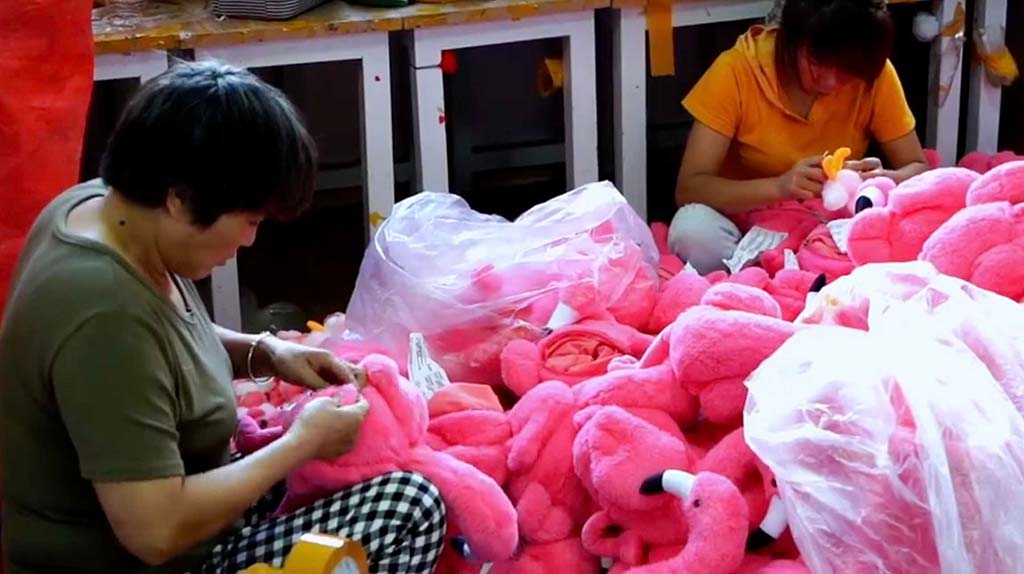
When people search for the “best plush animals,” they are really looking for more than a cute face. They want softness, safety, durability, and a design that fits their brand or family. As a plush manufacturer in China, I see how each detail—from fabric to stitching—shapes that “wow” feeling when someone hugs a toy for the first time.
In this guide, I will walk you through how I define the best plush animals today: what quality really means, how materials and construction work together, how design changes by age group, and how safety, pricing, and brand reputation guide smart buying decisions.
What qualities define the best plush animals today?
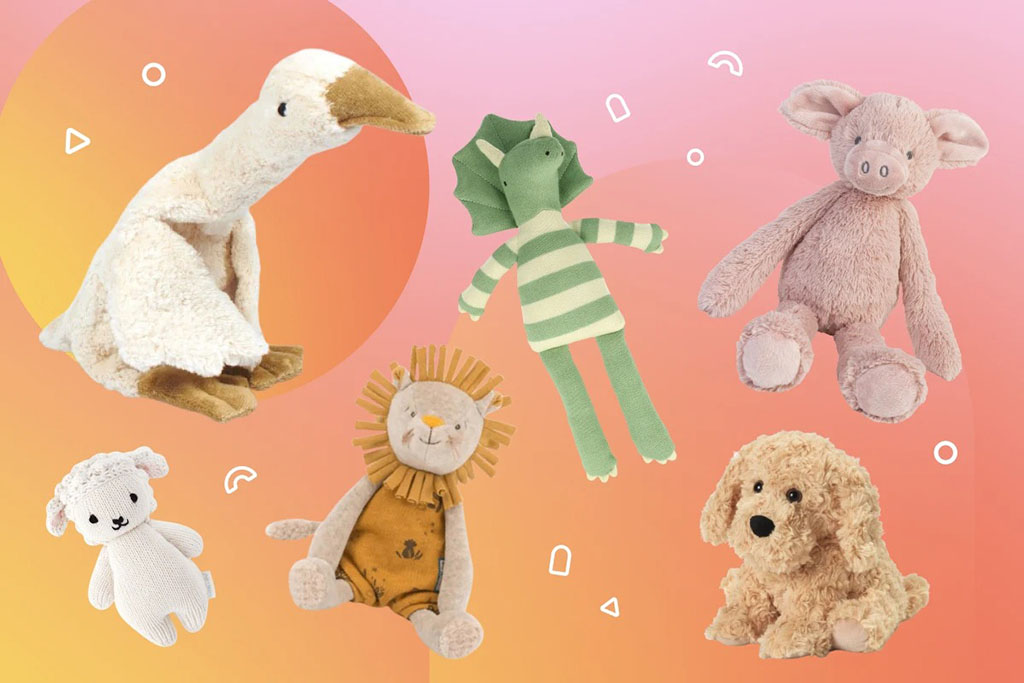
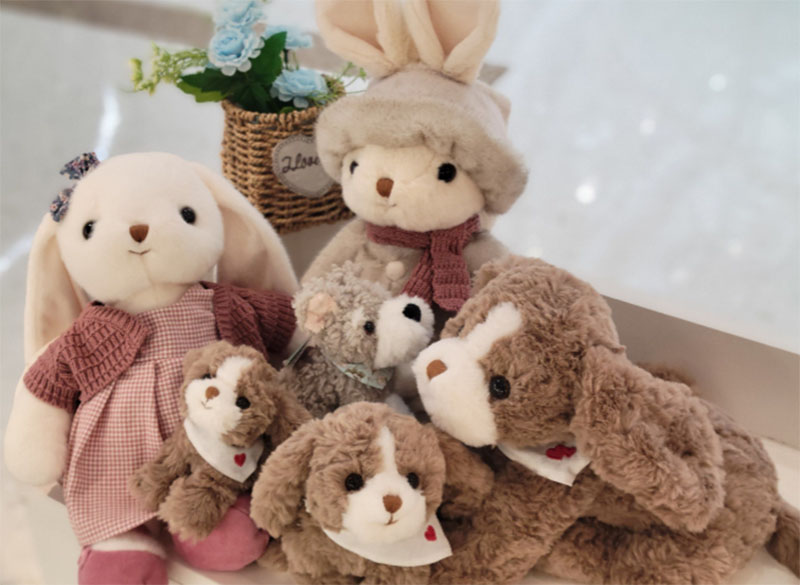
The best plush animals feel good in the hand, look good on the shelf, and hold up under real use. For brands and retailers, this means more than just softness. You also need consistent quality, strong safety performance, and a clear fit with your target market.
When I review samples in our Kinwin showroom, I always look at four things: touch, shape, safety, and emotional appeal. A plush can be very soft but look flat or crooked. Or it can look great but feel hard because of poor stuffing. The best plush animals balance all these points at the same time.
Here is a simple way to think about core quality dimensions and how they help you:
Table 1 – Key qualities that define “best” plush animals
| Quality Dimension | What It Means in Practice | Why It Matters to You and Your Customers |
|---|---|---|
| Softness & hand feel | Pleasant texture, no rough patches or scratchy seams | Creates instant comfort and “I want to hug this” |
| Shape & proportion | Symmetrical head, body, and limbs; stable posture | Looks premium on shelf; better for product photos |
| Safety & compliance | Certified materials, secure parts, age-appropriate design | Reduces risk, passes audits, builds parent trust |
| Durability | Seams hold, fabric resists pilling, filling stays in place | Fewer returns and complaints, longer product life |
| Emotional appeal | Friendly expression, right style for target age group | Drives impulse purchase and repeat orders |
When all of these work together, you feel it immediately. The plush animal looks “alive,” stays comfortable to touch, and gives your brand a professional, reliable image—whether you sell on Amazon, in retail stores, or at theme parks.
How do materials and construction influence softness and durability?
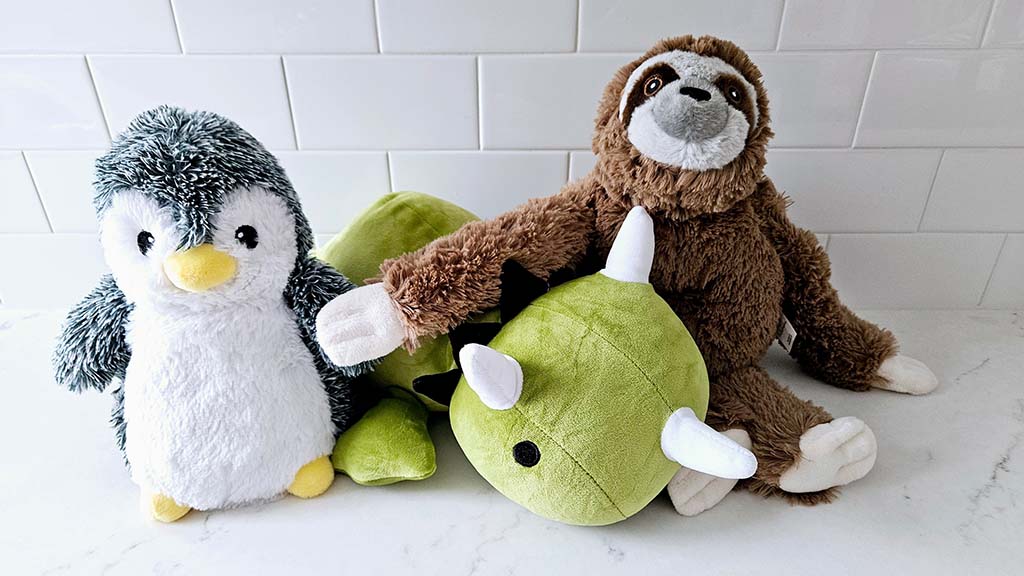
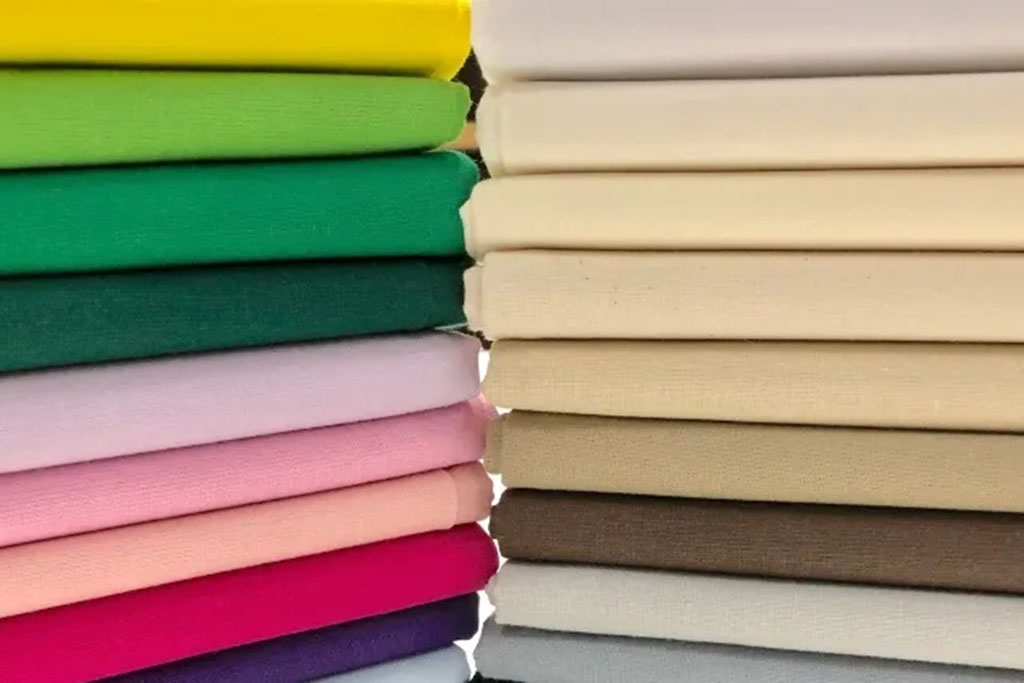
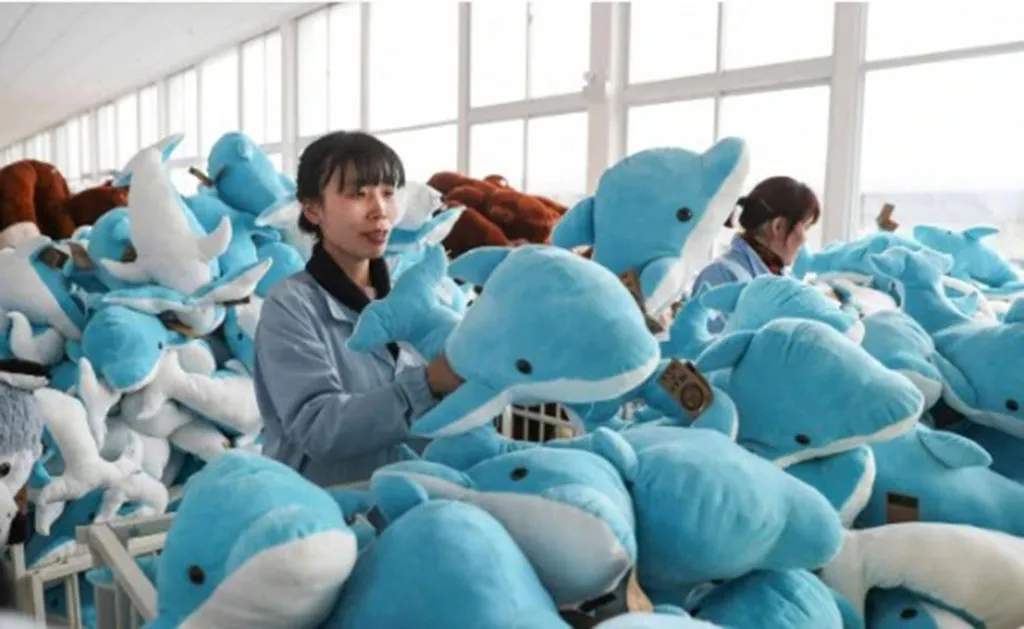
Every good plush animal starts with the right fabric and filling. But materials alone are not enough. Construction—the way we cut, sew, and stuff the toy—plays a huge role in how soft, safe, and long-lasting it feels.
If you choose high-quality plush but the stuffing is uneven, the toy will feel lumpy. If the seams are weak, even the softest plush can split under normal play. In my daily work at Kinwin, I always treat materials and construction as one combined system: they must support each other.
Comparing common materials for plush animals
Below is a simple overview of typical fabric and filling combinations and what they mean for your products:
Table 2 – Materials used in plush animals and their performance
| Component | Common Option | Softness & Comfort | Durability & Best Use |
|---|---|---|---|
| Outer fabric | Short plush / velboa | Smooth, neat surface, low shedding | Great for printed characters, everyday plush |
| Outer fabric | Minky / coral fleece | Very soft, cozy, baby-friendly | Ideal for baby lines and “super soft” ranges |
| Outer fabric | Long-pile faux fur | Fluffy, high volume | Perfect for bears and “luxury” plush |
| Filling | Polyester fiberfill | Light, bouncy, resilient | Standard for most plush animals |
| Filling | Recycled polyester fiber | Similar feel, eco story | Eco-focused collections, green marketing |
| Filling | Fiber + weighted pellets | Soft with added weight and stability | Weighted plush for comfort and seated poses |
How construction choices change the result
Even with the same materials, construction will change your final product:
- Seam quality
Tight, even stitching gives strength and a clean look. Weak or skipped stitches create gaps and rough feeling edges. - Stuffing method
When we stuff in layers and control density by zone (head, body, limbs), the plush animal keeps a nice shape and consistent softness. Quick, random stuffing leads to hard lumps or empty corners. - Pattern and proportion
A well-designed pattern ensures the animal stands or sits properly. Poor patterns cause twisted faces or unbalanced bodies that look “off” in photos and in real life.
When materials and construction are aligned, your plush animals feel soft but not floppy, firm but not hard. That balance is what customers remember long after they remove the hang tag.
Which design features enhance appeal across different age groups?
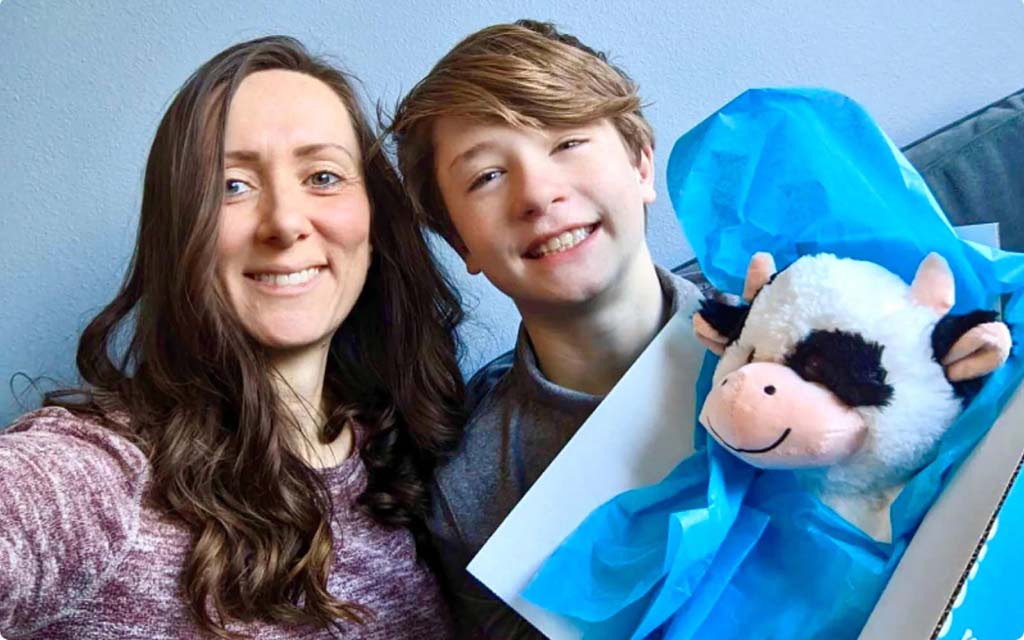
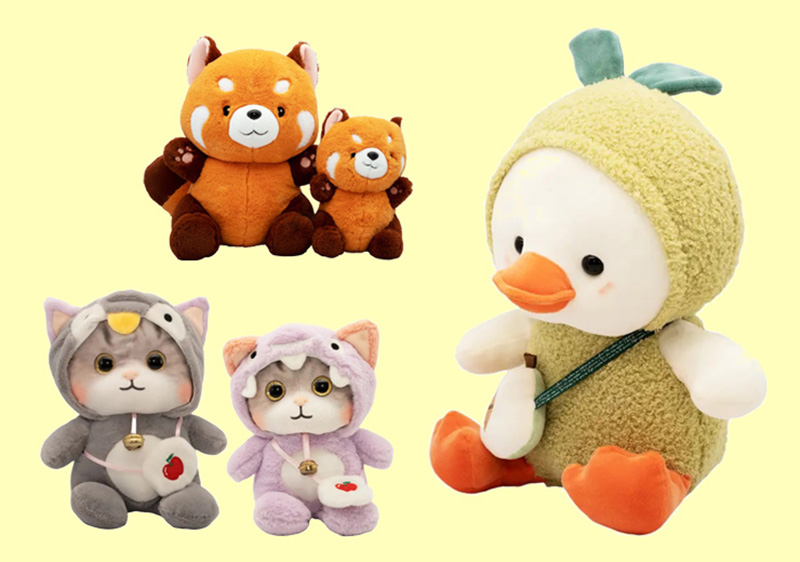
The best plush animal for a toddler is not always the best choice for a teenager or adult collector. Different age groups respond to different design cues: size, color, facial style, level of detail, and accessories.
When I help brands plan series, we always define the target user first. This guides the entire design direction: from the shape of the eyes to the complexity of the character.
Design focus by age group
Here is a simple guide to how design features change by age segment:
Table 3 – Design priorities for plush animals by age group
| Age Group | Design Style & Size | Key Features That Increase Appeal |
|---|---|---|
| 0–3 years | Small to medium, rounded shapes | Soft colors, embroidered features, easy to grasp limbs |
| 3–7 years | Medium, cute animals and simple characters | Brighter colors, clear expressions, some accessories |
| 8–12 years | Medium to large, themed or trendy animals | Stylized faces, fun details, character stories |
| Teens & adults | Medium to large, aesthetic or IP-based | On-trend colors, fandom links, more complex styling |
| Collectors / fans | Special editions, detailed designs | High accuracy, unique fabrics, limited releases |
Design details that make a plush animal “stick” in people’s minds
Across age groups, some universal design points help your plush animal stand out:
- Eyes and expression
Slight changes in eye position or mouth shape can change the mood completely. Friendly, relaxed expressions perform best for most mass-market products. - Color palette
For infants and parents, soft and gentle tones work well. For older kids and fans, bold or themed colors can make your character more memorable. - Size and balance
Small plush is easy to carry; larger plush creates more “wow” on display. Good balance means the animal can sit or stand steadily on shelves and desks.
When you align these design choices with the right age group, your plush animals connect faster and sell more easily, both online and offline.
How do top brands innovate to create standout plush animals?
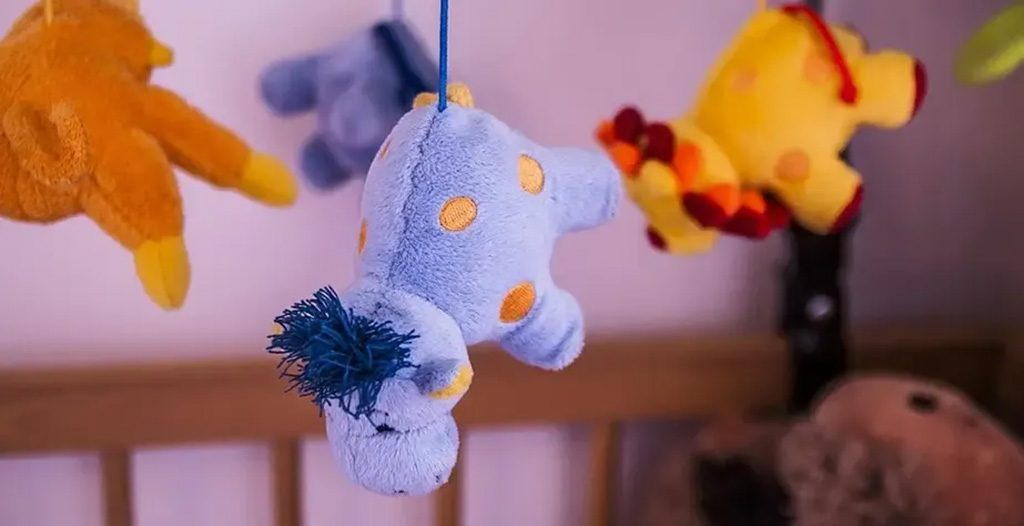
In a crowded market, many plush animals can look similar. Top brands stay ahead by adding clear points of difference: unique concepts, new materials, clever functions, or richer storytelling.
From what I see in real projects, innovation often follows a few paths:
- Material innovation
Using recycled plush, special textures, or mixed fabrics (plush + knit + print) to create a fresh look and feel. - Function innovation
Adding features like weighted bodies for calming effect, reversible designs, or simple interactive elements (pockets, hidden messages, small magnets for posing). - Story and IP
Building a character world around the plush animal: names, backgrounds, online content, or licensed IP connections. This lets customers feel like they are joining a story, not just buying a single toy.
At Kinwin, many clients now combine these ideas. For example, an eco-themed animal line with recycled plush, soft pastel tones, and story tags that explain the character’s “mission” to protect nature. The toy itself is simple, but the concept and storytelling make it feel special.
For your own brand, you do not need high technology to innovate. Even small changes—like a more modern color palette, subtle embroidery motifs, or a consistent “collection” concept across all animals—can move your plush from generic to memorable.
What safety standards distinguish premium plush animal products?
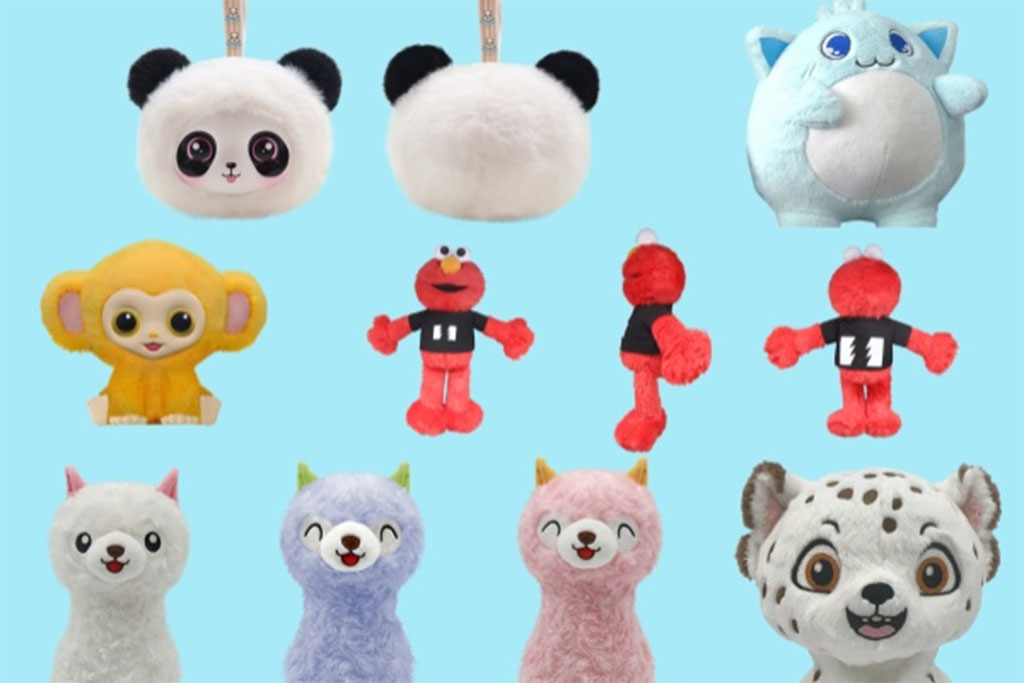
Safety is one of the most important markers of a truly premium plush animal. Many products look soft and cute, but only some have been tested against strict international standards. When you work with infants, children, or major retailers, this difference is critical.
As a factory exporting to the USA, Europe, Japan, South Korea, and the Middle East, we handle a lot of testing work. Buyers who understand safety standards can choose better partners and avoid serious risks later, such as failed audits or product recalls.
Key standards for plush animals in major markets
You can use this overview as a quick reference when you talk with suppliers or read test reports:
Table 4 – Main safety standards for plush animal products
| Market / Region | Common Standards & Marks | What They Mainly Check |
|---|---|---|
| Europe | EN71 (Parts 1–3), CE marking | Mechanical safety, flammability, heavy metals, chemicals |
| USA | ASTM F963, CPSIA | Mechanical hazards, lead, phthalates, labeling |
| General textiles | OEKO-TEX® Standard 100 (optional) | Harmful substances in fabrics and components |
| Other regions | Local toy regulations | Often similar in spirit to EN71 / ASTM |
Practical signs of a safety-focused plush
Beyond formal certificates, premium plush animal products usually show:
- Securely attached eyes and noses, or fully embroidered features.
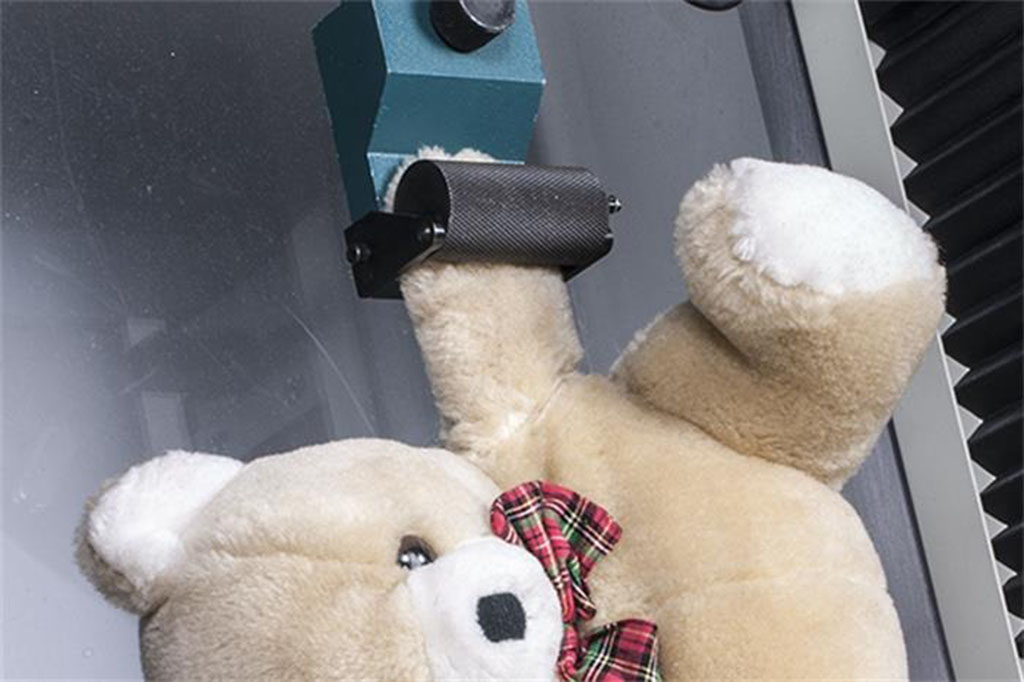
- Strong seams that do not open when pulled.
- No sharp edges, loose strings, or small detachable parts in younger age ranges.
- Clear labels with age recommendations, care instructions, and manufacturer details.
At Kinwin, we do needle detection, seam strength checks, and material tests before mass shipment. For you as a buyer, asking for recent lab reports and understanding which standard applies to your main market is a smart basic step. It protects both your customers and your brand reputation.
How do price, sourcing, and brand reputation guide buyer choices?
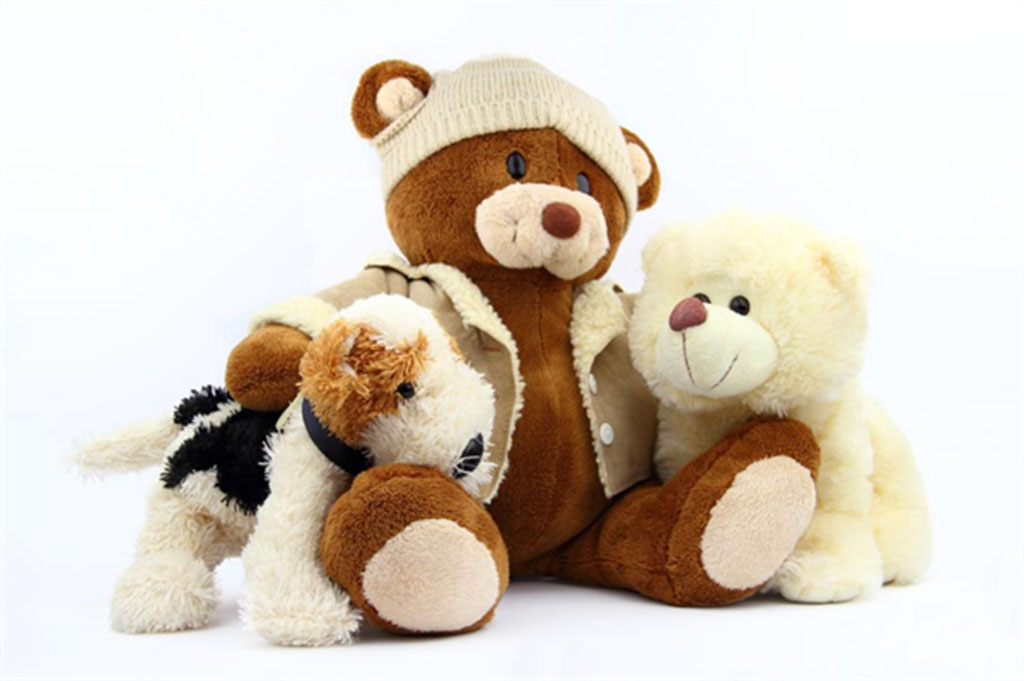
Even when you know what “best” means, you still need to make choices based on budget, sourcing strategy, and your brand’s position. Not every project needs the most complex plush; however, every project needs the right balance between cost and value.
From my experience, buyers who manage plush categories well always look at three things together: target retail price, expected order volume, and brand promise. They then choose designs, materials, and factories that support this mix.
How different buyers can approach plush animal purchasing
Here is a simple way to think about this by buyer type:
Table 5 – Price, sourcing, and brand focus by buyer profile
| Buyer Type | Main Priorities | Recommended Approach to Plush Sourcing |
|---|---|---|
| Value-focused retailers | Competitive price, stable quality | Simple patterns, proven fabrics, large MOQs |
| Mid-range lifestyle brands | Balanced quality, design, and cost | Custom designs, selective upgrades (fabric or size) |
| Premium / boutique brands | High detail, special materials, strong story | Smaller runs, higher-spec materials, more hand work |
| E-commerce brand owners | Strong reviews, low return rates | Extra attention to QC, packaging, and photography |
| Licensing / IP holders | Brand image protection, accuracy | Close sample control, strict safety and color checks |
Choosing and working with the right factory
Sourcing is not just about price per piece. It is about the partner behind that price. A reliable factory helps you:
- Select materials that match your brand level and budget.
- Develop samples that truly reflect your concept.
- Maintain consistent quality across large orders.
- Pass safety tests and retailer audits smoothly.
At Kinwin, we position ourselves as an OEM & ODM partner. That means we care not only about producing, but also about helping you plan. When you share your target retail price, platform (for example, Amazon or physical stores), and core customer profile, we can suggest realistic combinations of design, size, and materials.
In the end, the “best plush animals” for your business are the ones that match your brand promise, protect your customers, and support healthy profit over many seasons—not just one fast-selling item.
Conclusion
The best plush animals today combine soft, safe materials, thoughtful construction, age-appropriate design, and reliable safety performance. When brands choose fabrics, stuffing, and manufacturing methods with care—and match them to clear target users and price levels—they create plush animals that feel special in every hug and hold their value over time. At Kinwin, we help global buyers develop and refine plush animal lines that balance quality, cost, and creativity, so their products stand out in competitive markets and earn long-term customer trust. If you are planning a new plush animal range or improving an existing one, you are welcome to contact me at [email protected] or visit kinwintoys.com to explore how our factory can support your success.