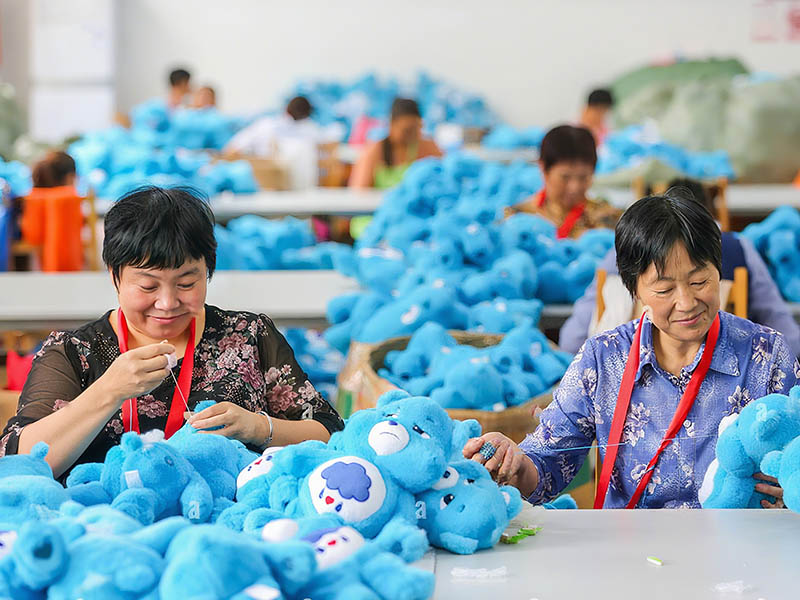
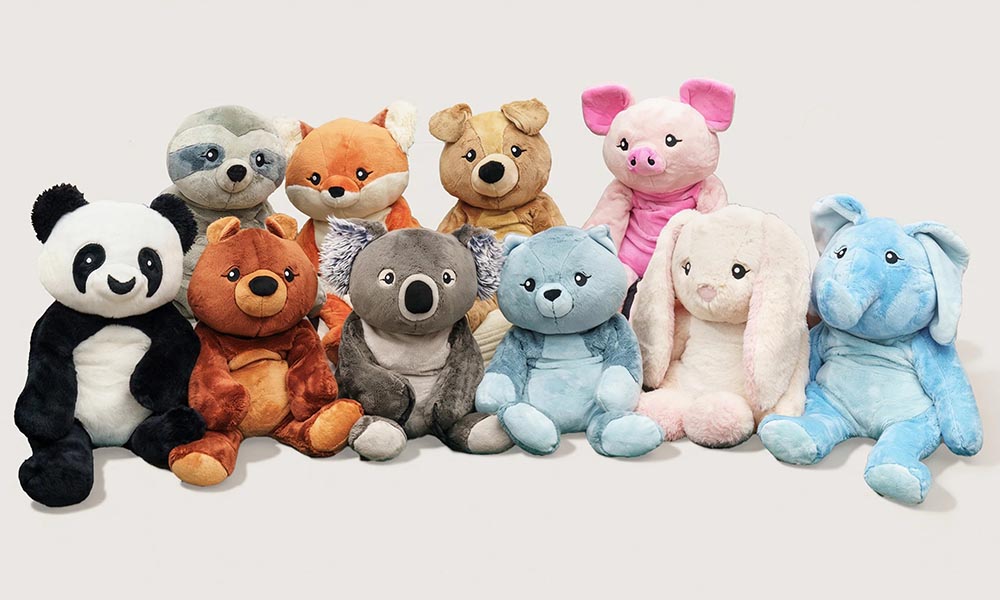
Transforming an IP character into a high-quality plush toy is a complex and highly specialized process. It requires deep understanding of character identity, brand values, material behavior, child safety, production engineering, and large-scale manufacturing controls. For IP owners—from animation studios and game developers to influencers, licensing agencies, and entertainment brands—the goal is not simply to make a toy that looks “close enough,” but a product that captures the essence of the character with precision, emotional accuracy, and brand consistency.
This guide shows how to translate your IP artwork into a professional plush toy, how to protect your brand during development, and how to work with a manufacturer who understands the strict requirements of licensed plush production.
What Core Design Elements Must Be Translated from IP Artwork into Plush Form?
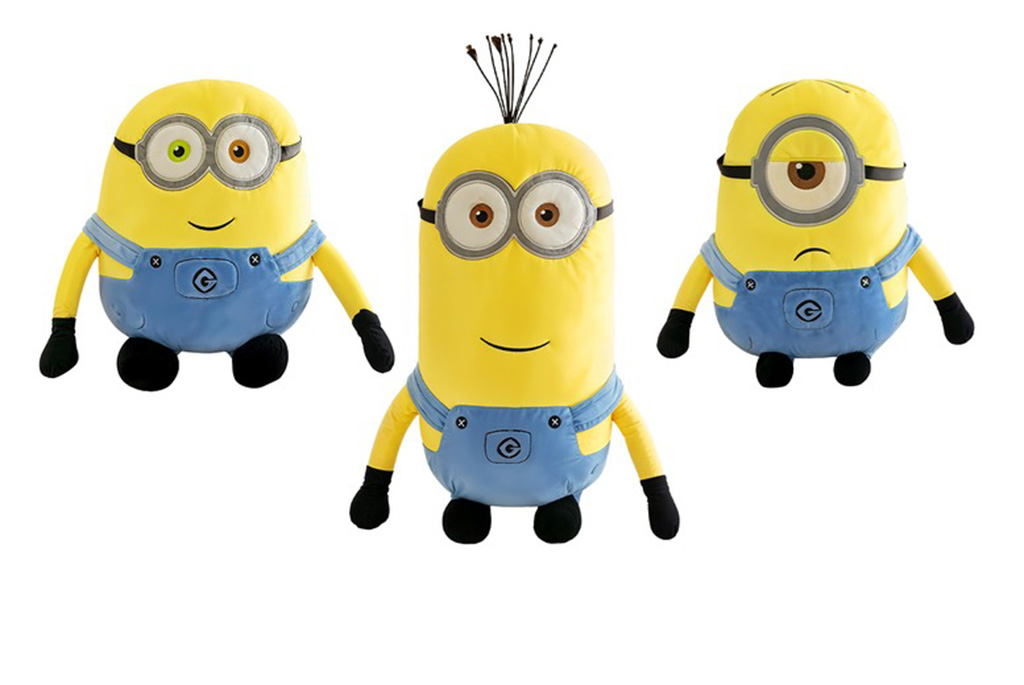
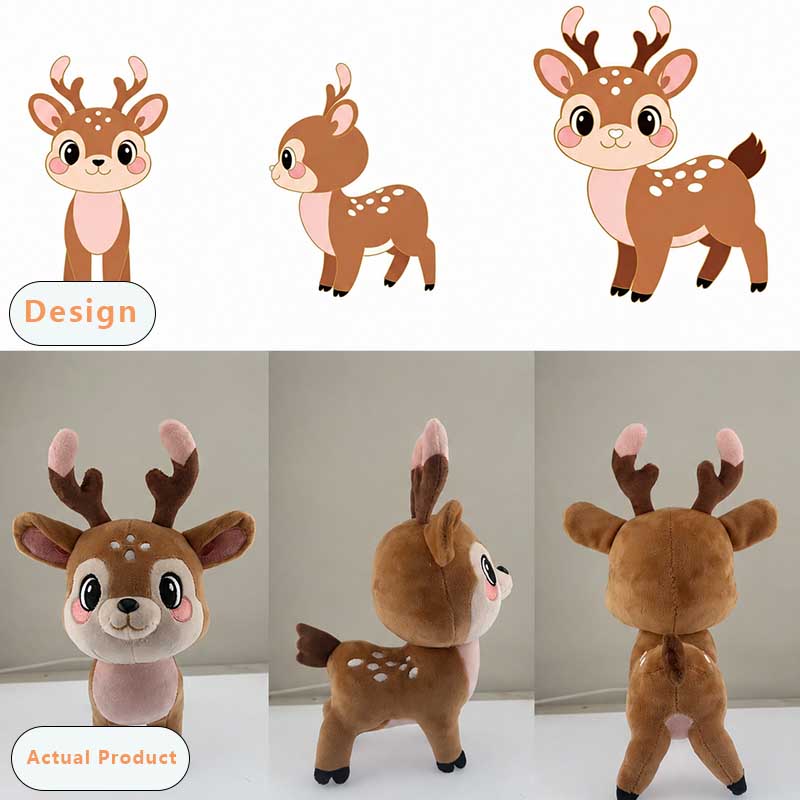
Turning a 2D or 3D character into a plush toy begins with identifying the most essential traits that define the character’s personality and recognizability. Plush is a soft medium, so it cannot reproduce every element exactly—lines may soften, proportions must adjust for softness, and gravity affects shape. A skilled plush manufacturer understands how to reinterpret these traits without losing the character’s identity.
The translation process focuses heavily on silhouette recognition—one of the most important features in character merchandising. The overall shape, head-to-body ratio, and signature outline must be consistent with the original IP. Facial features require precise attention: the spacing of the eyes, the angle of the smile, the shape of the brows, and the character’s emotional expression must be captured with millimetric precision. Even small deviations can make a character look unfamiliar or “off-model.”
Other character-defining features, such as hair shape, horns, wings, clothing, accessories, body posture, and iconic color placements, must be clearly documented in front, side, and back views. These elements need practical adaptation for plush construction—some details may turn into embroidery, others into appliqués, printed components, or raised fabric patches. This stage is highly collaborative, requiring designers and pattern makers to balance aesthetics with manufacturability.
| Design Element | Why It Matters | How It’s Translated into Plush |
|---|---|---|
| Silhouette | First recognizability factor | Pattern shaping & proportion control |
| Facial Expression | Emotional identity | Embroidery & placement precision |
| Signature Colors | Brand consistency | Pantone-matched fabrics |
| Key Accessories | Character storytelling | Sewn-on, embroidered, or printed |
| Character Anatomy | Unique traits | Adjusted for softness & safety |
A factory experienced with licensed products understands that accurate translation is not optional—it is the foundation of brand protection.
How Do Material Choices and Fabric Mapping Influence Character Accuracy?
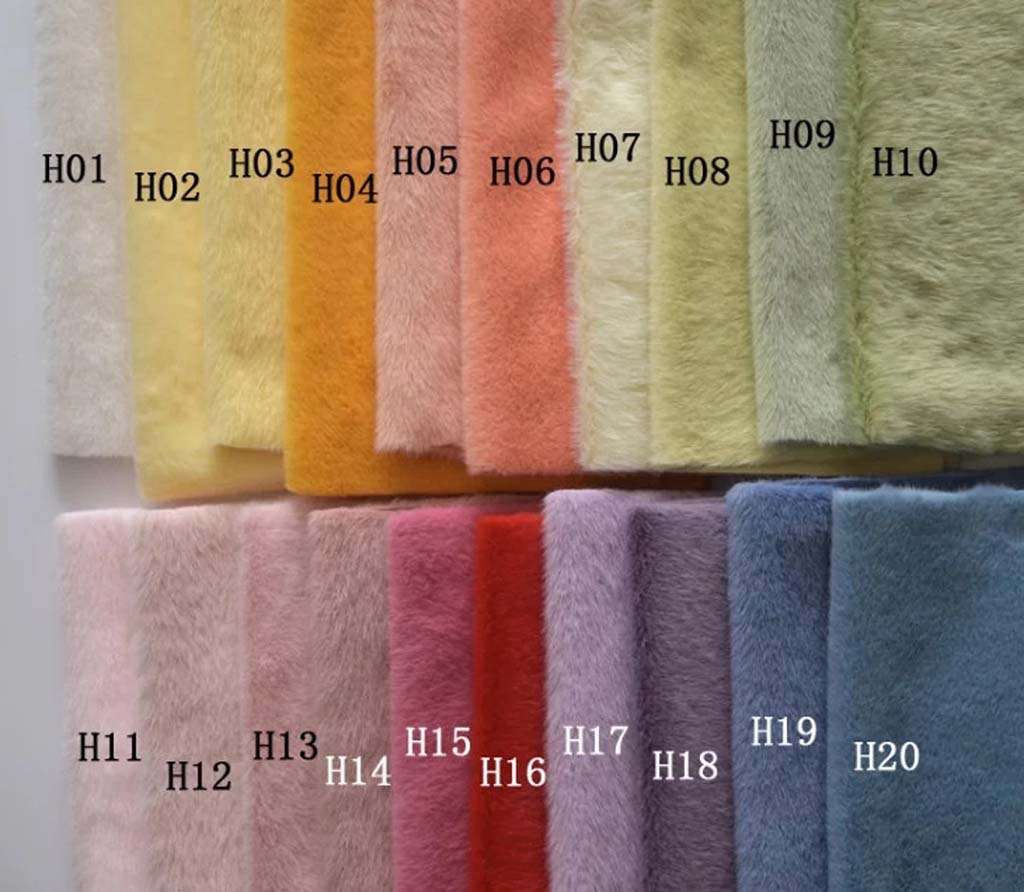
Material choice is one of the most powerful tools in bringing an IP character to life. Different fabrics convey different textures, emotions, and visual impressions. Short-pile minky may emphasize softness and warmth, velboa offers clean detailing, long-pile faux fur adds realism, and fleece adds a cozy, friendly aesthetic. Even the pile direction of the fabric changes how shadows fall across the character’s form.
Fabric mapping ensures that each section of the character uses the correct material and color. For example, the character’s body might require 2mm velboa for clean shape retention, while the ears or tail require 10–12mm faux fur for fluffiness. Facial areas that hold critical expression details usually require smooth surfaces for embroidery clarity. Color accuracy is non-negotiable—Pantone matching ensures consistency across every production run, and licensed brands often require multiple rounds of color swatch approvals.
Material density affects shape, firmness, and silhouette stability. Softer fabrics need denser stuffing or internal structure to hold shape, while heavier fabrics may require reduced stuffing to avoid stiffness. Proper material mapping ensures the plush toy feels high quality and visually faithful to the IP artwork.
| Material Choice | Purpose | Impact on IP Accuracy |
|---|---|---|
| Short-Pile Minky | Soft, smooth, baby-safe | Clean facial embroidery |
| Velboa | Durable, structured | Maintains character silhouette |
| Faux Fur | Realistic texture | Enhances hair/fur details |
| Felt / Fleece | Sharp detail edges | Improved contrast areas |
| RPET Fabrics | Sustainable options | Eco-friendly licensing products |
Good material selection enhances emotional appeal while maintaining manufacturability and consistency.
What Prototyping Techniques Ensure Faithful Replication of IP Features?
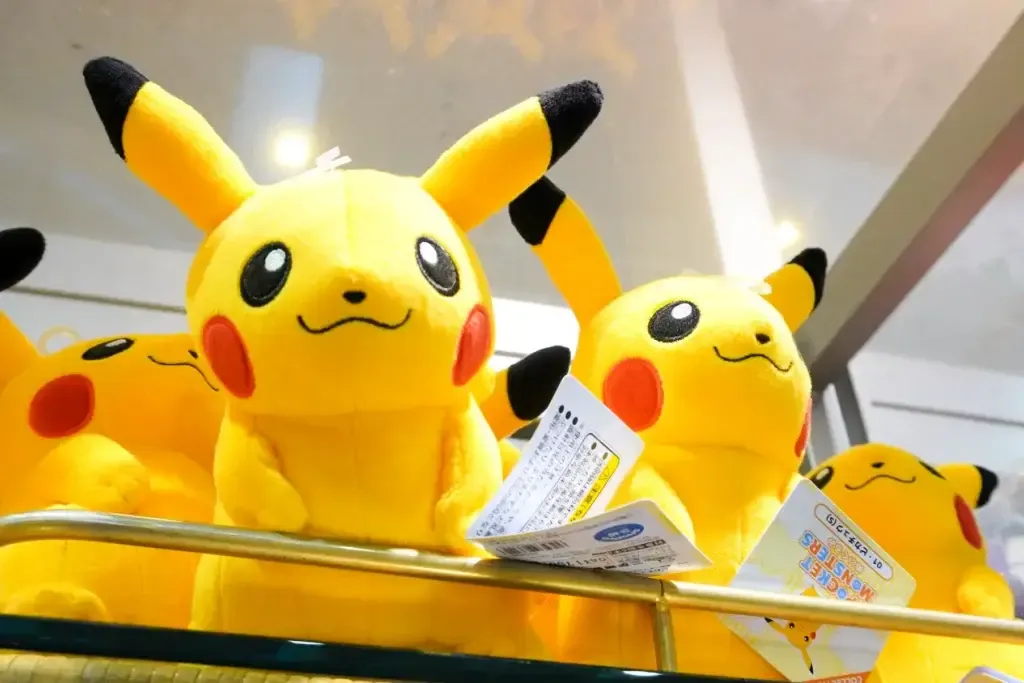
Prototyping is the most critical step in IP plush development. This is where 2D artwork is interpreted into 3D form—requiring specialized pattern makers, precision sewing teams, and iterative refinement. Factories with advanced sampling capabilities often complete multiple prototyping stages: T1 (first sample), T2 (refinement round), T3 (pre-production sample), and Golden Sample approval.
During prototyping, pattern makers sculpt the plush through fabric engineering. They adjust seam locations to influence contour lines, tweak stuffing distribution for shape enhancement, and fine-tune proportions to prevent distortions. Embroidery digitizers convert facial features into stitch-compatible designs, adjusting thickness and angles to maintain clarity across different fabric types.
High-level factories use 3D modeling tools, laser cutting for symmetry, and embroidery simulations to accelerate accuracy. They also provide photos, videos, and even live camera reviews to ensure the IP owner sees every detail clearly. Complex accessories—shoes, clothing, armor, props—are prototyped with structural reinforcements or custom molds when needed.
| Prototyping Technique | Function | Benefit for IP Accuracy |
|---|---|---|
| Pattern Engineering | Shapes 3D structure | Maintains silhouette fidelity |
| Embroidery Digitizing | Converts artwork to stitches | Accurate expression reproduction |
| Laser Cutting | Ensures symmetry | Cleaner outlines |
| Stuffing Calibration | Controls firmness/shape | More consistent character form |
| Multi-Round Sampling | Iterative improvements | Higher precision in final form |
A factory with strong prototyping skill will consistently produce samples that look nearly identical to the final approved version.
How Can Safety, Compliance, and Structural Engineering Protect Brand Integrity?
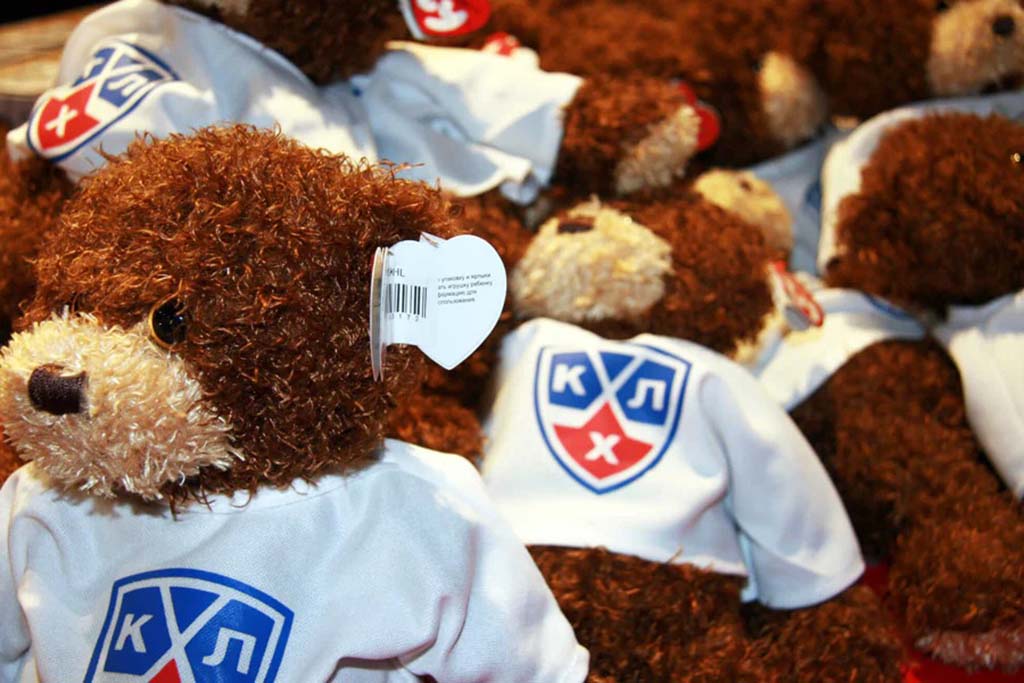
Every IP-based plush toy must meet strict global safety requirements, and failure to comply can damage a brand’s reputation. Structural engineering ensures that all components—eyes, noses, joints, accessories, clothing—are securely attached and resistant to tension tests required by ASTM F963, CPSIA, EN71, and ISO 8124.
Compliance affects material choices, construction methods, embroidery complexity, stuffing type, and even packaging. Factories must adhere to needle control procedures, metal detection, small parts testing, flammability standards, and chemical restrictions (REACH, phthalates). For baby or toddler products, saliva-resistant materials, reinforced seams, and non-removable eyes are essential.
Structural engineering also impacts aesthetics. For example, if the character has a long tail, the factory must reinforce the attachment point to prevent tearing. If it has clothing, choking hazards must be eliminated and fasteners must pass torque tests. Safety is not only about protecting consumers—it protects the brand from legal issues and consumer backlash.
| Safety Category | Standard Applied | Why It Matters |
|---|---|---|
| Mechanical Safety | ASTM F963 / EN71-1 | Prevents breakage & choking hazards |
| Chemical Safety | CPSIA / REACH | Protects children’s health |
| Flammability | EN71-2 | Required for global retail |
| Structural Reinforcement | Internal engineering | Ensures durability |
| Tracking Labels | CPSIA | Mandatory for U.S. sales |
Safety compliance is fundamental for licensed toys and cannot be compromised.
What Production Controls Guarantee Consistency Across Large-Volume Orders?
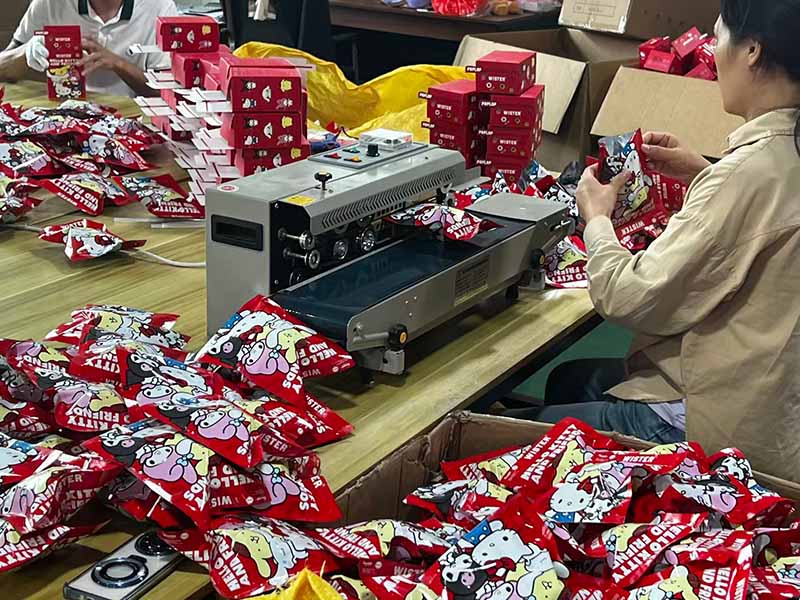
Licensed plush production demands extreme consistency—every piece must match the Golden Sample exactly. A factory that understands this uses structured QC processes, precise documentation, and strong production engineering. Pattern templates must be locked after approval, embroidery files standardized, fabric rolls inspected for dye lot consistency, and stuffing calibrated for every batch.
Inline QC teams monitor stitching tension, component alignment, and proportion accuracy throughout production. Final QC compares random samples with the Golden Sample to ensure no deviation in shape, softness, or color. Metal detection and needle control logs prevent foreign objects from entering the product.
Factories also implement batch tracking, ensuring each production run can be traced, allowing full accountability. This is crucial for IP owners, large retailers, and global distributors who require transparency and reliability.
| Production Control | Implementation Method | Benefit for IP Owners |
|---|---|---|
| Golden Sample Control | Reference for production | Brand consistency |
| Inline QC | Station-by-station checks | Lower defect rate |
| AQL Final Inspection | Randomized testing | Retail compliance |
| Dye Lot Verification | Color consistency checks | Uniform appearance |
| Structured Documentation | SOPs, templates, logs | Traceability & reliability |
A factory with strong production control ensures that every plush toy reflects the exact brand identity intended.
How Do Packaging, Branding, and Licensing Requirements Shape the Final Product?
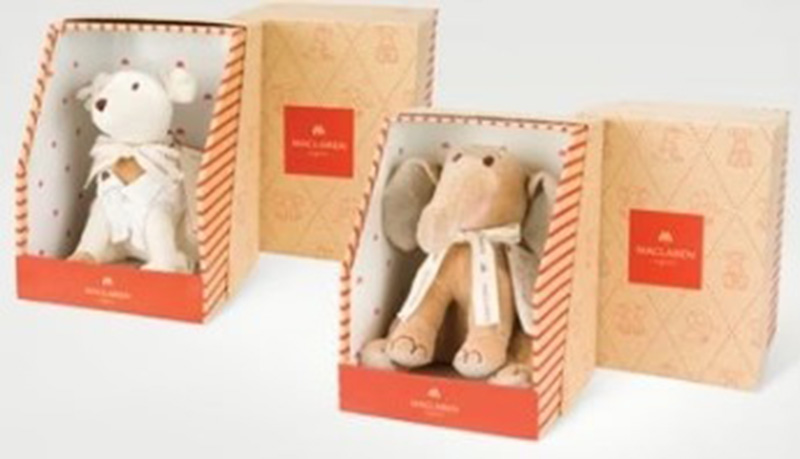
Packaging is not just for protection—it communicates brand value, supports shelf presence, and reinforces licensing compliance. Western retailers and licensing partners often have strict packaging requirements, including barcode placement, choking hazard warnings, recyclability, visual branding, and branded tag designs.
Factories must follow approved style guides that dictate logo usage, placement rules, typography guidelines, and character imagery. Packaging may include belly bands, printed polybags, window boxes, backer cards, or collector-style tags. For licensed IPs, holographic seals or authenticity markers are required.
Packaging engineering also affects logistics. Plush toys are volume-heavy, so packaging design must balance visual appeal with carton efficiency. Licensors often require multilingual warnings, tracking labels, and approved artwork files—any deviation leads to reprints, shipment delays, and failed retailer inspections.
| Packaging Component | Purpose | Relevance for IP Projects |
|---|---|---|
| Hangtags & Labels | Branding & legal info | IP authenticity |
| Barcodes & Tracking | Retail & compliance | Smooth distribution |
| Window Boxes | Shelf impact | Premium positioning |
| Polybags & Inserts | Protection | E-commerce readiness |
| Licensing Seals | Authenticity | Prevents counterfeit issues |
Packaging completes the character’s transition from artwork to shelf-ready product.
Conclusion
Turning your IP character into a high-quality plush toy requires a deep understanding of design translation, material selection, prototyping precision, safety compliance, and large-scale production control. A skilled factory can protect your IP’s identity, maintain consistency across thousands of units, and ensure full compliance with global standards.
Factories like Kinwin specialize in accurate character replication and licensed plush manufacturing, helping IP owners bring their creations to life with precision, safety, and brand integrity.
📧 Contact: [email protected]
🌐 Visit: https://kinwintoys.com