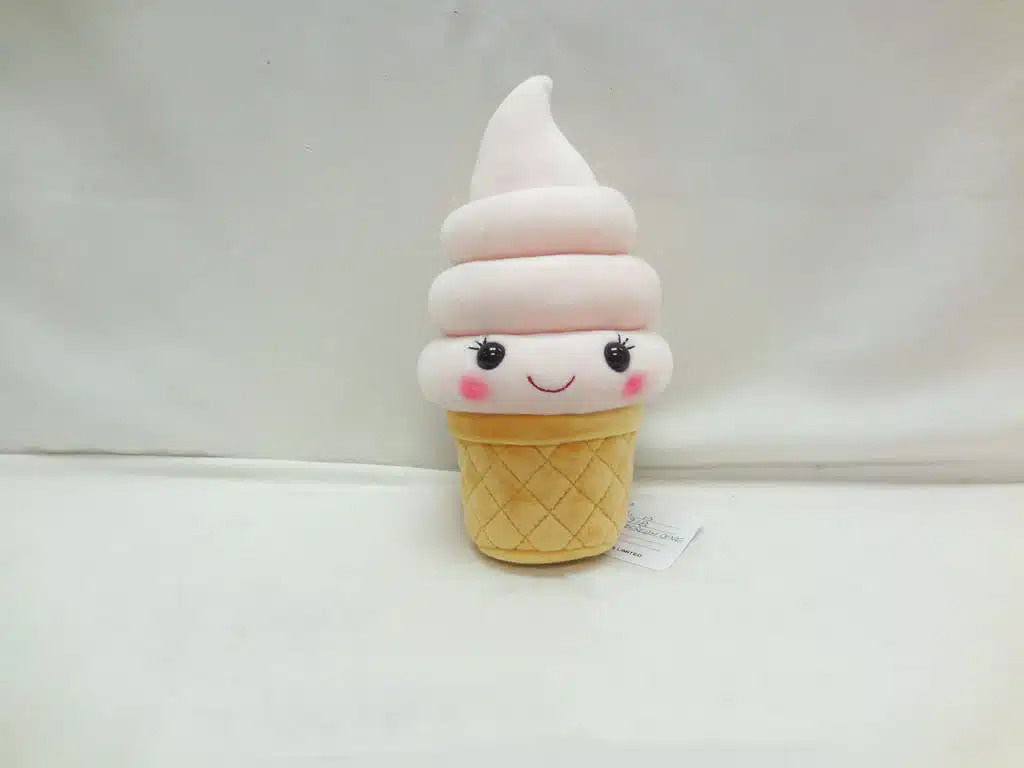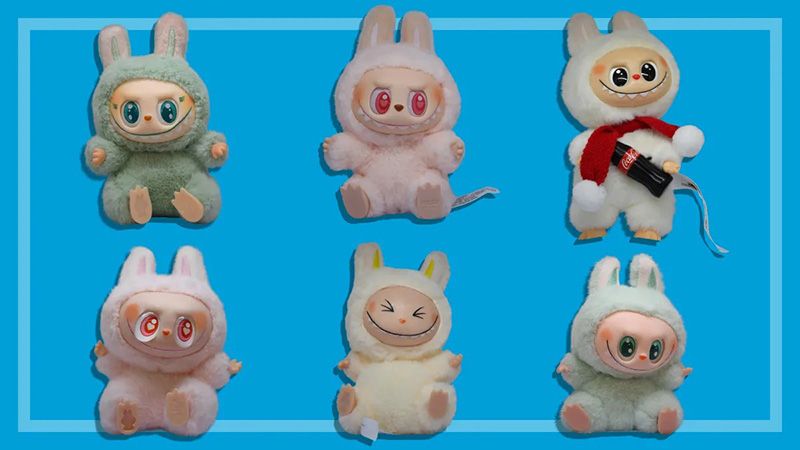
The plush toy market in 2026 is entering a more mature and segmented phase. Demand is no longer driven by “cute alone,” but by emotional value, lifestyle relevance, sustainability credibility, and supply-chain feasibility. From my perspective working closely with global buyers and brand teams, the most successful plush programs in 2026 will not chase every trend—but will select trends that can be produced consistently, scaled safely, and sold across multiple channels.
This forecast is written for B2B buyers. It focuses on what to develop, what to avoid, and how to translate trends into profitable plush SKUs, rather than consumer hype
Trend 1: Emotional Comfort Plush Continues to Expand Beyond Children
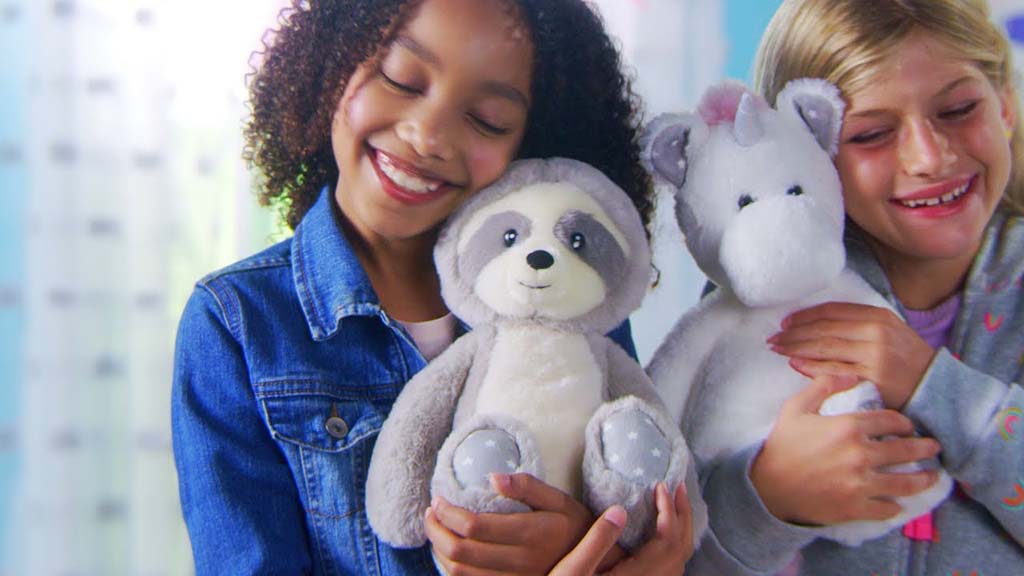
By 2026, emotional comfort plush has clearly moved beyond the traditional children’s toy category and become a cross-age, lifestyle-driven product segment. From what I see working with global buyers and brands, plush toys are now actively purchased by teenagers and adults as tools for emotional comfort, stress relief, and everyday companionship—not play.
The key shift is not in character, but in purpose. Buyers are no longer asking, “Is this fun?” but “Does this feel calming and reassuring when held?” This changes how plush toys are designed, selected, and positioned. Animals associated with calmness—such as capybaras, whales, bears, bunnies, cats, and sloths—continue to outperform energetic or exaggerated characters because they offer emotional neutrality rather than stimulation.
Design language in this segment is becoming intentionally quiet. Facial expressions are simplified, often neutral or gently smiling, to avoid emotional overload. Visual softness matters more than detail accuracy. Over-designed faces, strong expressions, or interactive features tend to weaken the comfort effect rather than enhance it.
Color direction is also shifting. In 2026, emotional comfort plush favors muted, low-saturation palettes—cream, beige, soft gray, pale blue, dusty green, and warm brown. These tones allow plush toys to blend naturally into adult living spaces, dorm rooms, and bedrooms without feeling childish. For B2B buyers, this significantly expands usage scenarios and supports year-round sales rather than seasonal peaks.
Size and physical presence are important. Medium to large plush toys perform better because they provide a sense of security and “companionship.” Some buyers are requesting lightly weighted versions—not medical weighted products, but plush toys that feel grounded when held. However, weight must be carefully balanced to avoid higher shipping costs and handling fatigue.
From a production and sourcing perspective, emotional comfort plush is especially attractive because it supports evergreen SKUs. These products are not driven by fast trends or licensing cycles. Stable shapes, repeatable materials, and consistent colorways allow for long-term replenishment programs with lower development risk. Fabrics such as velboa, microfiber plush, and short-pile polyester remain the most practical choices for balancing softness, durability, and cost control.
Another advantage of this trend is pricing flexibility. Buyers are generally less price-sensitive when the plush clearly delivers comfort and quality. This allows healthier margins without adding complexity. At the same time, the category works well with minimal packaging and clean branding, aligning with lifestyle and wellness positioning.
For B2B buyers, the biggest risk is treating emotional comfort plush like a traditional children’s toy—adding bright colors, strong expressions, sound modules, or gimmicks. In 2026, restraint is a competitive advantage. The most successful products are those that feel calm, soft, and emotionally safe.
| Key B2B Insight | 2026 Direction | Practical Guidance |
|---|---|---|
| Core audience | Teens & adults | Design beyond children |
| Main value | Emotional comfort | Prioritize touch & feel |
| Visual style | Calm & minimal | Simplify faces & shapes |
| Color palette | Neutral & muted | Avoid bright primaries |
| Product lifespan | Long-term | Build evergreen SKUs |
| Licensing need | Low | Develop own plush lines |
In short, emotional comfort plush is becoming a foundational category rather than a trend item. For B2B buyers, it offers stability, scalability, and strong cross-channel performance—especially when designed with restraint and long-term use in mind.
Trend 2: Internet-Driven Animals Become Long-Term Product Lines
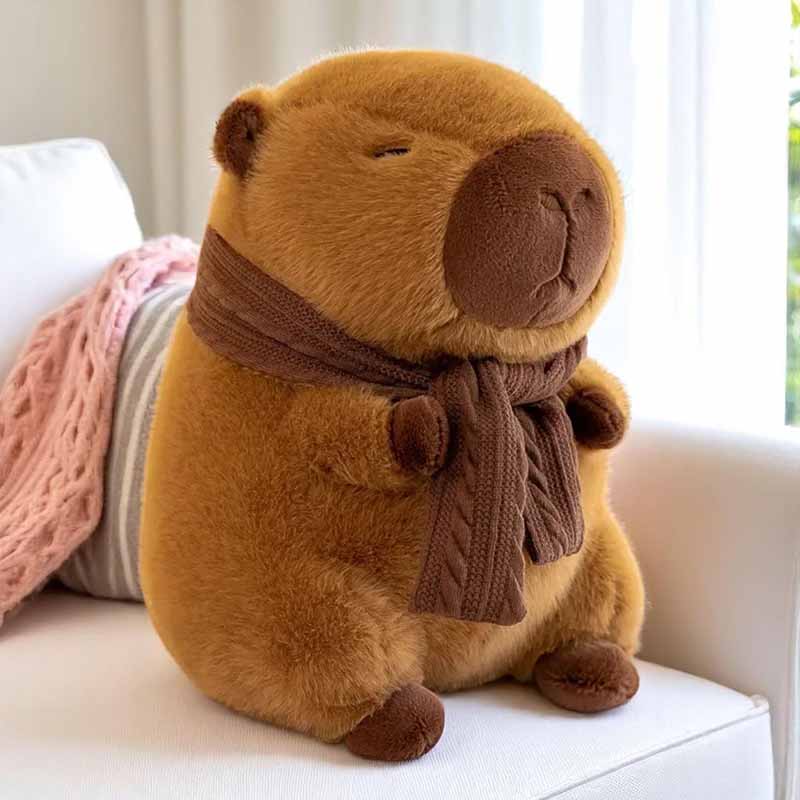
By 2026, internet-driven animal characters are no longer short-lived viral products. What has changed is not the speed at which trends emerge, but how successful brands respond to them. From my experience working with B2B buyers and online-first brands, the strongest performers are no longer one-off “viral plush,” but well-managed product lines built from internet-popular animals.
Animals such as capybaras, axolotls, frogs, red pandas, and otters continue to gain attention through social media, memes, and user-generated content. However, the brands that struggle are those that chase these trends too literally—over-designing characters to match specific memes or moments. In 2026, meme accuracy matters less than emotional clarity and recognizability.
To convert an internet-popular animal into a long-term plush line, the design must be simplified. Clear silhouettes, consistent proportions, and restrained facial expressions help the plush remain relevant even as online trends shift. Overly specific poses, exaggerated expressions, or trendy accessories often date the product quickly and limit reorders.
Color choice also plays a major role. While internet culture often favors bold visuals, plush products that last tend to use softened or slightly muted color versions. This allows them to move beyond novelty and fit into lifestyle, gift, and home décor contexts. Pastel frogs or neutral-toned axolotls, for example, perform better over time than high-saturation versions tied to a single viral moment.
From a B2B sourcing perspective, internet-driven animals work best when developed as series rather than single SKUs. Multiple sizes, color variations, or poses allow buyers to refresh the line without redesigning the core character. This approach lowers development risk, improves inventory planning, and supports repeat purchasing.
Production feasibility is another critical factor. Successful long-term lines use stable fabrics, simple construction, and repeatable colorways. Designs that rely on complex appendages, extreme proportions, or mixed materials often face higher defect rates and inconsistent quality at scale. In contrast, clean, plush-friendly shapes are easier to produce consistently and support faster replenishment cycles.
Another important shift in 2026 is audience expansion. Internet-driven plush is no longer limited to Gen Z. When designed with softer aesthetics and calm expressions, these characters increasingly appeal to teens, young adults, and even lifestyle buyers who may not actively follow meme culture but still enjoy the emotional tone of the character.
For B2B buyers, the key risk is speed without strategy. Launching too many internet-trend plush items without a clear plan often leads to short sell-through windows and excess inventory. The smarter approach is selective adoption—choosing animals with emotional durability, not just online popularity.
| Key B2B Insight | 2026 Direction | Practical Guidance |
|---|---|---|
| Trend source | Social & meme culture | Filter, don’t copy |
| Design approach | Simplified & timeless | Avoid meme-specific poses |
| Color strategy | Softened palettes | Reduce saturation |
| Product structure | Series-based | Plan extensions early |
| Production risk | Simplicity wins | Limit complex parts |
| SKU lifespan | Medium to long | Build repeatable lines |
In summary, internet-driven animals in 2026 succeed when they are treated as brand assets, not viral experiments. B2B buyers who focus on simplified design, scalable production, and line-based planning can turn online popularity into stable, long-term plush programs rather than short-term spikes.
Trend 3: Sustainability Moves from Claim to Proof
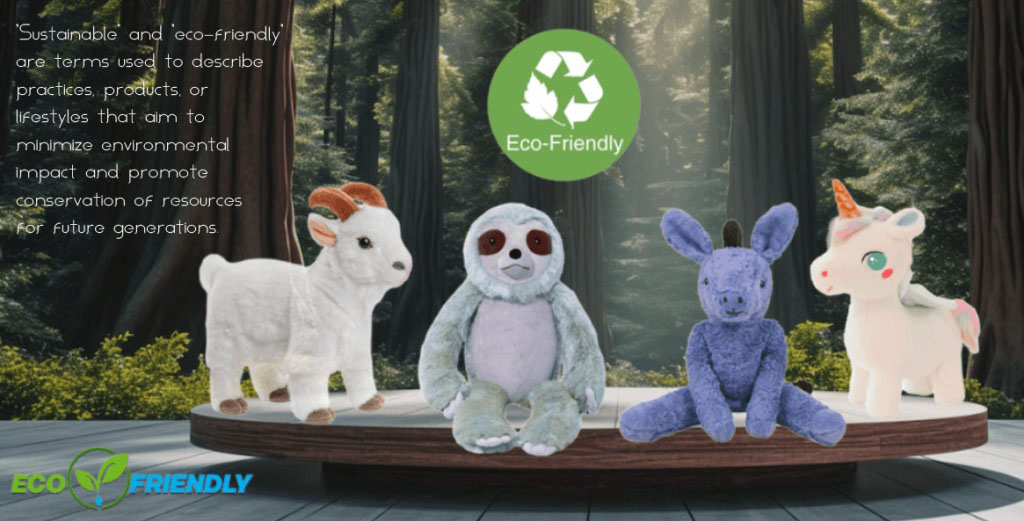
By 2026, sustainability in the plush toy industry has moved past the stage of marketing slogans and visual labels. For B2B buyers, sustainability is no longer about what suppliers say, but about what they can prove consistently at scale. From my experience working with buyers in Europe, the U.S., and premium global markets, sustainability has become a baseline requirement, not a differentiator.
The most important shift is buyer skepticism. Claims such as “eco-friendly,” “green,” or “sustainable” are no longer enough. Buyers now expect clear material definitions, traceable sourcing, and verifiable documentation. This includes recycled content percentages, certification numbers, and consistency between samples and mass production. Any gap between claim and reality creates risk—not only reputational, but also regulatory.
Material choice sits at the center of this trend. Recycled polyester fabrics and fillings have become the most practical solution because they balance sustainability with softness, durability, and supply stability. However, buyers are also more aware of trade-offs. Materials that are “natural” but unstable, inconsistent, or difficult to scale often create quality complaints and delivery delays. In 2026, buyers increasingly favor balanced sustainability—materials that reduce environmental impact without sacrificing product performance.
Another key change is how sustainability is integrated into the product lifecycle. Instead of being added at the end, sustainable considerations now influence design decisions, cost planning, testing requirements, and supplier selection from the start. For example, choosing a certified recycled filling affects not only material cost, but also testing scope, labeling, and long-term reorder feasibility.
From a sourcing perspective, buyers are placing greater emphasis on repeatability. A factory that can produce one eco sample is no longer impressive. What matters is whether the same materials, processes, and certifications can be maintained across multiple orders and production cycles. This is especially critical for brands selling through large retailers or platforms with strict sustainability policies.
Sustainability also increasingly intersects with compliance. Certifications such as GRS, OEKO-TEX, and FSC are not only environmental signals, but also risk-management tools. They help buyers defend their claims, pass audits, and avoid accusations of greenwashing. As a result, buyers prefer suppliers who proactively prepare documentation rather than reacting only when requested.
For B2B buyers, the biggest mistake in 2026 is over-prioritizing sustainability claims at the expense of execution. Products that feel rough, deform easily, or fail durability tests undermine both brand trust and sustainability messaging. The most successful programs treat sustainability as a system, not a feature.
| Key B2B Insight | 2026 Direction | Practical Guidance |
|---|---|---|
| Buyer expectation | Proof over claims | Request traceable data |
| Material strategy | Balanced sustainability | Prioritize rPET stability |
| Risk management | Certification-driven | Prepare documents early |
| Production reality | Repeatability | Audit mass production |
| Brand credibility | Consistency | Align sample & bulk |
| Common pitfall | Over-claiming | Avoid greenwashing risk |
In short, sustainability in 2026 is no longer about being “eco enough.” It is about being credible, consistent, and scalable. B2B buyers who choose partners capable of proving sustainability—not just describing it—will protect both their brand reputation and their supply chain stability.
Trend 4: Minimalist and Lifestyle Plush Gains Shelf Priority
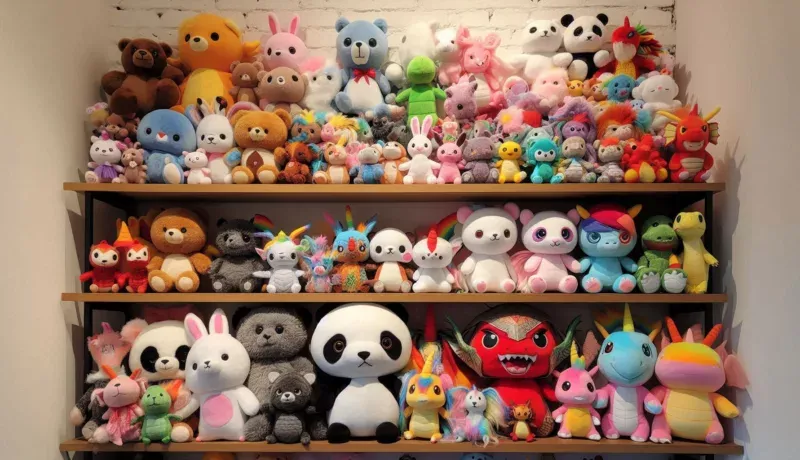
By 2026, minimalist and lifestyle-oriented plush toys are gaining clear priority across retail shelves, online platforms, and curated gift channels. From what I see working with buyers and retailers, this trend is driven less by fashion cycles and more by changes in retail presentation and consumer living spaces.
As plush toys increasingly appear outside traditional toy aisles—in home décor stores, lifestyle boutiques, bookstores, and concept shops—the visual language must adapt. Busy designs, loud colors, and exaggerated expressions often clash with clean retail environments. Minimalist plush toys, on the other hand, integrate naturally into modern interiors and feel less like “toys” and more like soft lifestyle objects.
Design-wise, this trend emphasizes simplified silhouettes, reduced color counts, and restrained facial details. Ducks, bears, foxes, cats, bunnies, clouds, and abstract animal forms perform especially well when rendered with smooth surfaces and neutral palettes. The goal is instant visual calm rather than character storytelling. Many buyers actively request plush designs that “do not shout” when placed on shelves or photographed online.
Color direction plays a decisive role. Whites, creams, beiges, soft grays, and muted pastels dominate this segment. These colors not only photograph well for e-commerce, but also reduce inventory risk because they remain relevant across seasons. For B2B buyers, this supports longer product life cycles and fewer markdowns.
From a sourcing and production perspective, minimalist plush has practical advantages. Fewer color changes, simpler embroidery, and reduced accessory use lower production complexity and improve batch consistency. This translates into better quality control, lower defect rates, and easier reorders—key factors for buyers managing multi-channel sales.
Another important factor is brand flexibility. Minimalist plush toys adapt easily to different brand identities. A single base design can be refreshed through subtle size adjustments, packaging changes, or positioning without redesigning the product itself. This makes the category especially attractive for private-label brands and retailers developing exclusive lines.
However, minimalism does not mean low quality. The risk in this trend is oversimplification. When details are reduced, fabric choice, stitching quality, and shape accuracy become more visible. Poor execution is harder to hide. Buyers must ensure that softness, seam finish, and proportion are carefully controlled, especially at scale.
For B2B buyers, minimalist plush is not a trend to chase quickly, but a category to build slowly and deliberately. The strongest performers are those developed as long-term SKUs with consistent materials and clean visual standards, rather than seasonal experiments.
| Key B2B Insight | 2026 Direction | Practical Guidance |
|---|---|---|
| Retail environment | Lifestyle-driven | Design for décor spaces |
| Visual style | Minimal & calm | Reduce details & colors |
| Color strategy | Neutral palettes | Avoid seasonal tones |
| Production impact | Lower complexity | Improve consistency |
| Brand use | Flexible | Support private labels |
| Key risk | Over-simplification | Control fabric & finish |
In summary, minimalist and lifestyle plush toys are gaining shelf priority because they fit how and where plush is now sold. For B2B buyers, this trend offers stability, scalability, and cross-channel adaptability—provided execution quality remains high.
Trend 5: Cute, Non-Scary Reinterpretation of “Bold” Animals
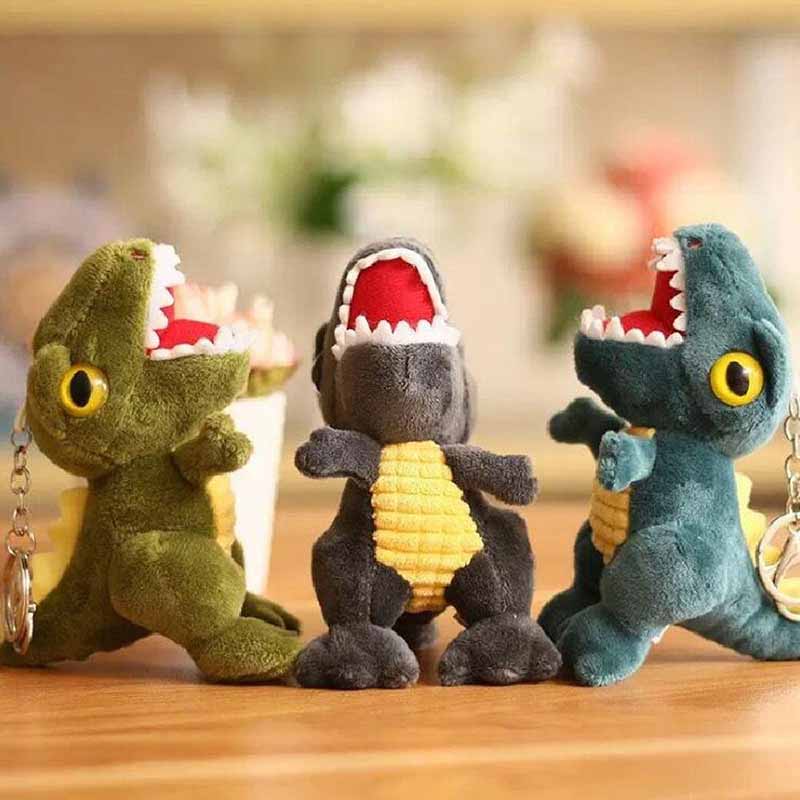
By 2026, animals traditionally perceived as “bold” or intimidating—such as dinosaurs, sharks, wolves, crocodiles, and snakes—are finding renewed commercial potential through intentional, non-scary reinterpretation. For B2B buyers, this trend opens access to high-interest animal categories while significantly reducing age limitations, parental resistance, and safety concerns.
The key change is not animal selection, but emotional positioning. Instead of emphasizing power, aggression, or realism, successful plush designs focus on approachability and emotional safety. Rounded shapes, softened proportions, and friendly expressions allow these animals to feel playful rather than threatening. This redesign strategy expands the target audience beyond niche fans to include younger children, family gifting, and lifestyle channels.
From a design perspective, the most effective approach is to preserve one clear identifier of the animal while softening all other elements. A dinosaur may keep its tail silhouette, a shark its dorsal fin, or a wolf its ear shape—but sharp teeth, angular eyes, and high-contrast patterns are reduced or removed. Facial design plays a decisive role: wide, round eyes and closed-mouth smiles immediately lower perceived threat, even before color and texture are considered.
Color treatment further reinforces this shift. In 2026, buyers increasingly favor softened, low-contrast palettes for bold animals—pastel greens for dinosaurs, muted blues for sharks, warm grays for wolves. These tones maintain recognizability while making the plush suitable for nurseries, gift shops, and modern retail environments. Softer colors also improve online product photography and reduce negative emotional reactions at first glance.
From a production and compliance standpoint, this trend aligns well with safety and scalability requirements. By avoiding hard parts and sharp-looking components, and keeping all details fabric-based, manufacturers can lower mechanical risk and simplify compliance testing. However, these designs require careful attention to stuffing structure and seam reinforcement, especially for elements like fins, spikes, or tails that must hold shape without becoming rigid.
For B2B buyers, this trend works best when developed as a cohesive series rather than isolated SKUs. A small line of “friendly bold animals” with a unified design language supports collection-based selling, repeat orders, and gradual line expansion—without relying on licensed IP or fast-changing trends.
The main risk lies in imbalance. Over-softening can strip the animal of its identity, while under-softening limits market reach. Successful programs define clear design boundaries early and maintain consistency across samples and mass production.
| Key B2B Insight | 2026 Direction | Practical Guidance |
|---|---|---|
| Animal category | High-interest, bold types | Choose familiar silhouettes |
| Emotional tone | Friendly & safe | Remove aggressive features |
| Facial design | Primary signal | Use round eyes, closed mouths |
| Color strategy | Softened palettes | Reduce contrast and saturation |
| Compliance impact | Lower risk | Keep all details fabric-based |
| Line strategy | Series-based | Build collections, not singles |
In short, the non-scary reinterpretation of bold animals allows B2B buyers to unlock popular categories with broader appeal and lower risk. When executed with clear emotional intent and production discipline, these plush designs combine recognizability, safety, and scalability—making them well suited for long-term product lines rather than one-off novelties.
Trend 6: Plush Sets and Bundles Increase Perceived Value
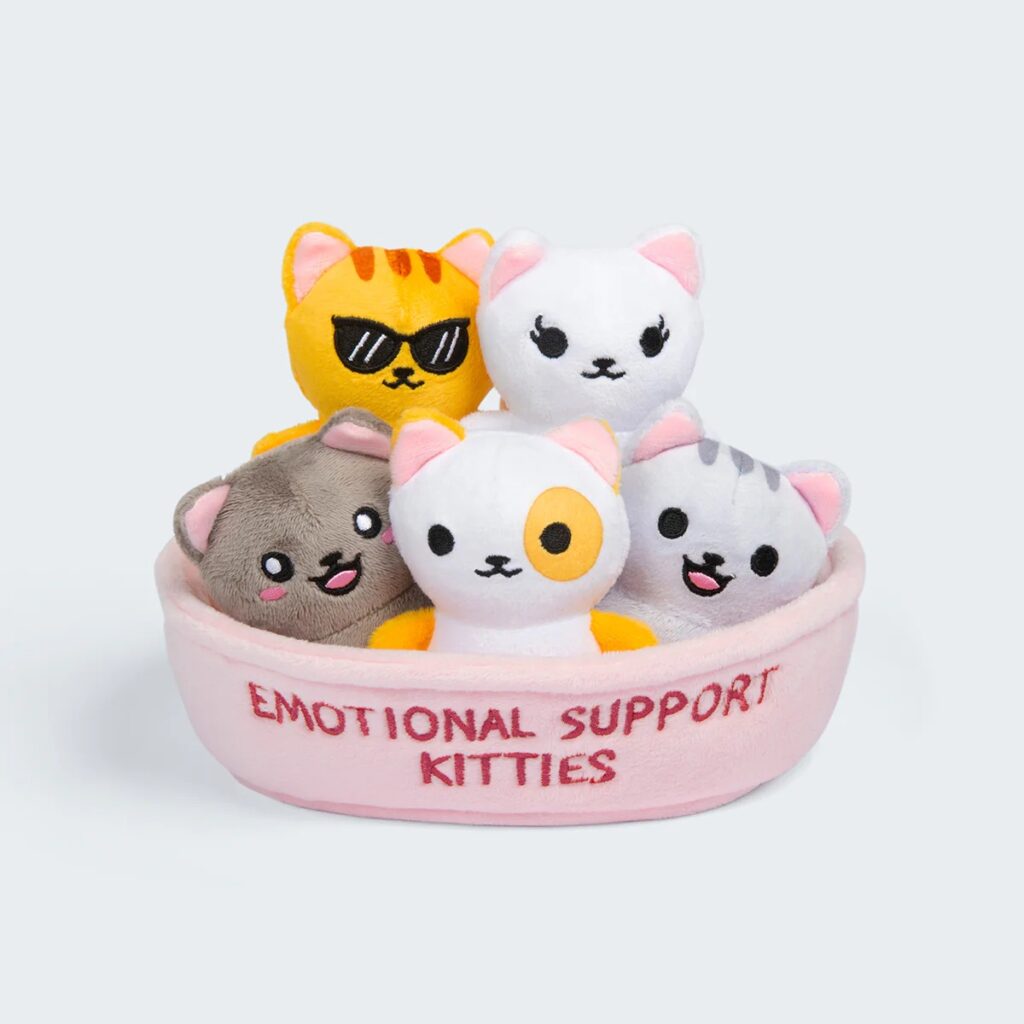
By 2026, plush sets and bundled products are becoming a strategic tool for B2B buyers who need to balance price pressure, differentiation, and inventory efficiency. Rather than relying on single plush items to carry all value perception, more brands are using sets to create stronger storytelling and higher perceived worth without significantly increasing production complexity.
From what I see across retail, education, and promotional channels, plush sets perform well because they shift the buyer’s mindset. Consumers are less focused on the unit price of each plush and more focused on the overall experience—whether that experience is learning, collecting, gifting, or decorating. This makes sets especially effective in competitive markets where price comparison is intense.
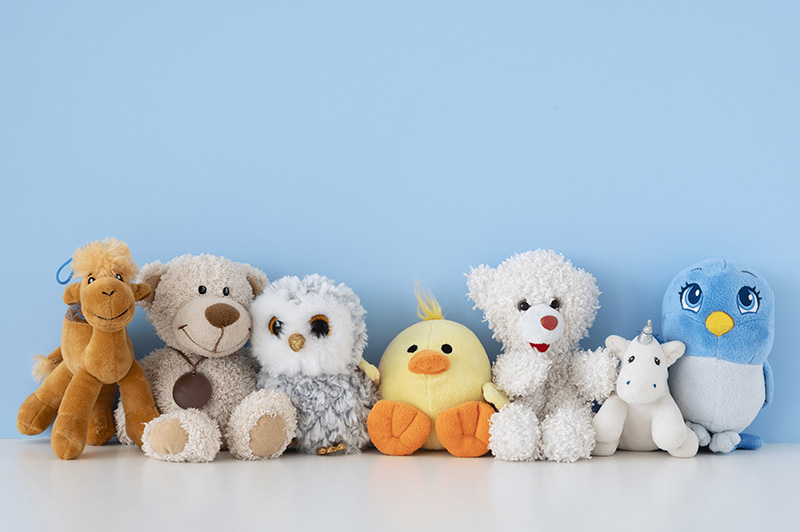
Design consistency is the foundation of successful plush sets. Animals or characters within a set must feel visually related through size, fabric type, color tone, and expression style. When one piece looks noticeably different, the perceived value of the entire set drops. In 2026, buyers increasingly prefer tight, curated sets—typically three to five pieces—over large assortments that feel unfocused.
From a sourcing and production perspective, sets work best when components share materials and construction methods. Using the same base fabrics, similar patterns, and standardized fillings allows factories to maintain efficiency while buyers gain the benefit of multi-item offerings. This shared structure helps control cost, reduces quality variance, and simplifies testing and compliance.
Plush bundles also provide flexibility in market positioning. The same core products can be sold as individual items in one channel and as a set in another, without changing the product itself. This is particularly valuable for brands operating across e-commerce, retail, and promotional channels. Sets also support seasonal and thematic storytelling—farm animals, ocean animals, forest friends, or emotional comfort companions—without heavy redesign investment.
Another advantage of plush sets is inventory optimization. Bundles help move slower-selling SKUs alongside stronger performers, reducing stock imbalance. For B2B buyers, this can improve cash flow and reduce markdown risk, especially in gift-driven or seasonal programs.
However, there are risks if sets are poorly planned. Mixing unrelated designs, inconsistent quality levels, or mismatched sizing can confuse consumers and weaken trust. Packaging also matters. Sets must be presented clearly as a unified product, not as leftover items grouped together.
In 2026, the most successful plush sets are those planned from the design stage, not assembled at the end of the sales process. When sets are treated as core SKUs rather than sales tactics, they support long-term product planning and stronger brand structure.
| Key B2B Insight | 2026 Direction | Practical Guidance |
|---|---|---|
| Value perception | Experience-based | Design sets intentionally |
| Set size | Curated | 3–5 pieces works best |
| Cost control | Shared materials | Standardize fabrics & fill |
| Sales flexibility | Multi-channel | Sell single & bundled |
| Inventory benefit | Risk reduction | Balance SKU performance |
| Common risk | Poor cohesion | Maintain visual consistency |
In short, plush sets and bundles are not just a pricing strategy in 2026—they are a product architecture decision. For B2B buyers, well-designed sets increase perceived value, improve inventory performance, and create stronger storytelling without adding unnecessary complexity to production.
Conclusion
The plush toy market in 2026 is shaped less by novelty and more by emotional relevance, lifestyle integration, and supply-chain realism. For B2B buyers, the most successful plush programs will focus on comfort-driven design, scalable internet-inspired characters, credible sustainability, minimalist aesthetics, and value-oriented sets. Brands that align trend awareness with production feasibility and long-term planning will be better positioned to build stable, profitable plush lines rather than chasing short-term demand spikes.
📧 Contact: [email protected]
🌐 Visit: https://kinwintoys.com